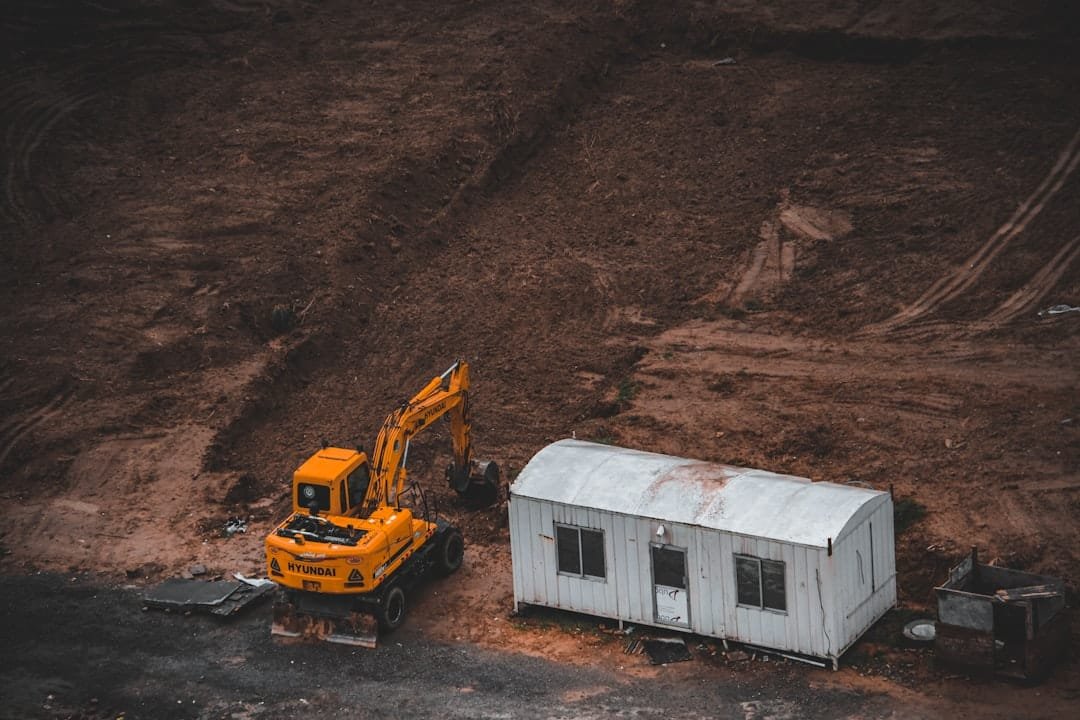
Is Work from Home As an Independent Contractor Legit?
As you delve into the world of independent contracting, it’s essential to grasp what this term truly means. Independent contractors are self-employed…
Read ArticleHOMEOWNER GUIDES FOR BETTER PROJECTS
Practical guidance for planning renovations, understanding project costs, choosing contractors, comparing estimates, and managing your home improvement project.
Better Home Contractor helps homeowners understand renovation projects, compare contractor options, prepare realistic budgets, evaluate estimates, ask better questions, and make informed decisions before work begins.
A successful home project begins long before the first tool comes out.
Our goal is to simplify those decisions. Better Home Contractor provides practical homeowner guides for planning projects, understanding construction, and working effectively with contractors.
You don’t need to become a construction expert. You simply need enough information to recognize the right questions to ask.
Homeowners may need to make decisions about:
Start with the kind of project you have in mind, then explore the planning, cost, and contractor guidance that fits.
Kitchen projects can involve much more than cabinets and countertops. Learn how to define project scope, prepare a budget, compare contractors, and avoid common remodeling mistakes.
Depending on scope, may include:
Explore Kitchen RemodelingBathroom projects often combine plumbing, electrical work, waterproofing, tile, fixtures, ventilation, and finish carpentry.
Learn about:
Explore Bathroom RemodelingLarger renovation projects may involve multiple rooms, systems, and trades. Understand how to organize priorities and coordinate complex work.
Learn how to:
Explore Home RenovationAdding usable space can involve architecture, structural engineering, permits, foundations, roofing, electrical systems, plumbing, HVAC, and finish work.
Before expanding, consider:
Explore Home AdditionsExterior improvements can affect both appearance and building protection. Plan projects together when possible.
Popular projects:
Explore Exterior ProjectsBuilding a home involves a different process from remodeling an existing one. Understand who is responsible for each stage and how changes are managed.
Typical phases:
Explore Home Building GuidesNot every project requires the same professional. Understanding the different types of contractors can help you avoid hiring the wrong person for the job.
Typically oversee larger projects involving multiple trades, schedules, materials, subcontractors, permits, and construction phases.
Learn About General ContractorsSpecialize in roof repair, replacement, materials, flashing, ventilation, and related roofing systems.
Learn About Roofing ContractorsHandle water supply, drainage, fixtures, water heaters, piping, and related systems.
Learn About Plumbing ContractorsWork with wiring, service panels, outlets, lighting, circuits, and other electrical systems.
Learn About Electrical ContractorsWork with furnaces, air conditioners, heat pumps, ventilation, and indoor comfort systems.
Learn About HVAC ContractorsMay handle surface preparation, interior and exterior finishes, coatings, repairs, and specialty applications.
Learn About Painting ContractorsDepending on your project, you may also work with:
The right professional depends on the scope, complexity, local requirements, and type of work involved.
View All Contractor TypesA little preparation can dramatically improve the quality of the estimates you receive.
Write down the primary goals. What problems are you solving: appearance, damage, space, maintenance, efficiency, or preparing to sell?
Separate must-haves from nice-to-haves, and consider whether your timeline is flexible.
Develop a realistic range rather than one absolute number, and consider a contingency for surprises.
Photos, sketches, and examples can help contractors better understand your expectations.
Compare experience, references, written estimates, and communication, not only the bottom line.
Review scope, price, payment schedule, change orders, permits, and warranty before signing.
Finding the lowest bid is easy. Finding the right contractor requires more thought.
Consider evaluating:
Also look at:
A good contractor should be able to explain the work clearly.
Before signing a contract, consider asking these questions.
Key topics to cover:
Use additional caution when a contractor…
Pressures you to sign immediately, or insists every decision must be made right away.
Refuses to provide a written estimate for meaningful work.
Cannot explain the scope clearly, or who will perform the work.
Requests questionable payment arrangements.
Is unwilling to discuss licensing, insurance, or warranties, or provides no identifiable business information.
Encourages avoiding permits that are legally required.
One red flag does not automatically prove wrongdoing. But unanswered questions deserve attention before money changes hands.
Two estimates that appear to cover the same project may actually include very different scopes. Don’t compare the bottom line alone. Compare:
The cheapest proposal is not necessarily the least expensive project in the long run.
Learn How to Compare EstimatesA project budget should consider more than the contractor’s initial quote. Possible expenses include:
It can also be wise to maintain a contingency for unforeseen conditions.
Explore Home Improvement CostsCareful planning cannot eliminate every surprise, but it can reduce avoidable ones. Common causes may include:
A good contract helps both homeowners and contractors understand expectations. Never rely solely on verbal promises for a significant project.
What is being promised?
Depending on the project and applicable laws, a contract may address:
Read Our Contract GuideWhat changed and how much does it cost?
A change order documents an approved change to the original agreement, such as scope, materials, price, schedule, or labor. Before approving extra work, understand:
Keep written records of approved changes.
Learn About Change OrdersWhat happens after completion?
Ask what workmanship protection is offered, what it covers, and for how long. Collect warranty documents, product manuals, and contractor contact information before final payment.
Explore WarrantiesSome home projects require permits or inspections.
Do not assume that a permit is unnecessary simply because a contractor says the project is small. Check requirements with the appropriate local authority when necessary.
Understand Permits & InspectionsRequirements can vary by:
Every room has its own systems, risks, and decisions.
Plan around workflow, storage, plumbing, electrical, appliances, ventilation, and finishes.
Kitchen Remodeling GuidesConsider plumbing, waterproofing, ventilation, accessibility, fixtures, and surfaces.
Bathroom Remodeling GuidesEvaluate moisture, egress, insulation, electrical, HVAC, and ceiling conditions.
Basement Remodeling GuidesConsider structural capacity, access, insulation, ventilation, and code requirements.
Attic Remodeling GuidesProjects may involve roofing, siding, windows, doors, decks, drainage, landscaping, and exterior finishes.
Exterior Improvement GuidesLarger renovations may involve multiple rooms, systems, and trades, so priorities and project phases matter.
Whole-House Renovation GuidesNot every home improvement task requires a professional. But not every project is a good DIY candidate.
DIY may be reasonable for:
Professional help may be appropriate for:
Before deciding, consider:
Electrical, structural, roofing, gas, and complex plumbing work can involve serious safety risks and are generally best left to qualified, licensed professionals.
DIY vs. Hiring a ContractorSome projects call for extra planning because of what is already in the house, or what you want it to do.
Exterior improvements can affect both appearance and building protection.
Popular projects include:
Plan projects together when possible. Roofing, siding, gutters, and exterior painting can sometimes affect one another.
Explore Exterior ProjectsHome improvements may also focus on reducing energy use or improving comfort.
Examples include:
Evaluate savings claims carefully. Actual performance depends on the property, climate, installation quality, existing systems, and household usage.
Explore Energy-Efficient Home ImprovementsOlder homes can offer character and craftsmanship, but renovation may uncover additional challenges.
Consider:
Older properties deserve careful planning before demolition or invasive work begins.
Explore Older Home RenovationHOME BUILDING
Building a home involves a different process from remodeling an existing one. Homeowners should understand who is responsible for each stage and how changes are managed.
Define needs, budget, and priorities.
Develop plans and specifications.
Prepare the site and review requirements.
Establish the structural base.
Build the structural frame and roof.
Install mechanical, electrical, and plumbing systems.
Insulation, drywall, and interior and exterior finishes.
Inspections and a final walkthrough.
Good documentation can make projects easier to manage. Keep copies of:
Photograph project progress when appropriate. Clear records benefit both homeowners and contractors.
Perform a final walkthrough. Review:
Create a written punch list for incomplete or corrective work. Also collect:
Read Our Project Completion GuideFree Home Contractor Hiring & Project Planning Checklist
Don’t rely on memory when comparing contractors. Download our Home Contractor Hiring & Project Planning Checklist and use it to evaluate:
Get the Free Contractor Checklist
Enter your email to receive the checklist and occasional home improvement tips. You may unsubscribe at any time.
There is no universal number. Multiple comparable proposals can help homeowners understand pricing, scope, and different approaches to the project.
No. Price is only one factor. Scope, materials, experience, communication, insurance, warranties, and project management also matter.
For meaningful home improvement work, written documentation is much easier to evaluate than verbal pricing.
Licensing requirements vary substantially by jurisdiction and trade. Check applicable local requirements.
Payment rules and customary practices vary by project and jurisdiction. Large projects commonly use progress payments tied to agreed milestones rather than simply relying on an informal payment arrangement.
The contractor should explain the condition and proposed additional work. Significant changes should generally be documented clearly through the project’s agreed change-order process.
A general contractor may manage the overall project and coordinate multiple trades. Subcontractors typically perform specialized portions of the work.
Better Information for Better Home Projects
Explore our latest useful articles about:
As you delve into the world of independent contracting, it’s essential to grasp what this term truly means. Independent contractors are self-employed…
Read ArticleOne of the most appealing aspects of remote work is the flexibility it offers in terms of scheduling. You have the power…
Read ArticleIn recent years, the landscape of employment has undergone a significant transformation, with full-time independent contractor work from home emerging as a…
Read ArticleAs you embark on the journey of becoming a remote independent contractor, it’s essential to grasp the nuances of this role. Unlike…
Read ArticleIn today’s rapidly evolving job market, the allure of high-paying independent contractor jobs from home has become increasingly appealing. You may find…
Read ArticleIn recent years, the landscape of the healthcare industry has undergone a significant transformation, leading to a notable rise in independent contractor…
Read ArticleRemote independent contractors are professionals who offer their services to businesses or individuals without being tied to a single employer. They operate…
Read ArticleIn recent years, the landscape of work has undergone a significant transformation, giving rise to the remote independent contractor gig economy. This…
Read ArticleAs you embark on the journey of becoming a remote independent contractor, it’s essential to grasp the nuances of this role. Unlike…
Read ArticleIndependent contractor customer service jobs are positions where you provide support and assistance to customers on behalf of a company, but without…
Read Article