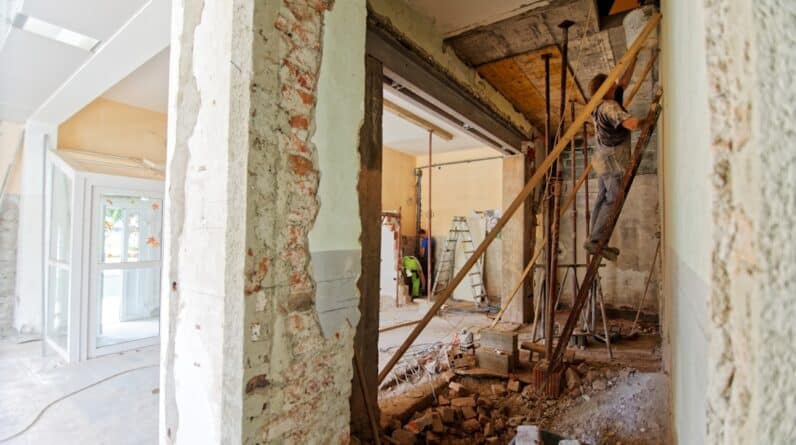
You are standing at a crossroads, contemplating a significant investment: a new home in Auburn Hills, McKinney, Texas. This decision, much like laying the foundation of a house, requires careful consideration and a clear understanding of the terrain. This article aims to be your blueprint, guiding you through the essential aspects of residential construction within this specific community, from the initial spark of imagination to the final coat of paint.
Auburn Hills, a master-planned community nestled in the burgeoning city of McKinney, Texas, presents a compelling proposition for those seeking a blend of suburban tranquility and access to urban amenities. As you navigate the possibilities of building your dream home here, it’s crucial to grasp the unique characteristics that define this locale.
The Strategic Location of Auburn Hills
You’ll find Auburn Hills positioned favorably within the larger McKinney tapestry. Its strategic location offers a gateway to both the established infrastructure of McKinney and the vibrant economic hub of the Dallas-Fort Worth Metroplex. Understanding this geographical advantage is akin to understanding the prevailing winds that will shape your home’s environment.
Proximity to Employment Centers
McKinney itself is a growing economic engine, boasting a diverse range of industries from technology and healthcare to retail and professional services. For you, this translates to a reduced commute and increased career opportunities, a significant factor in long-term satisfaction with your chosen residence. Beyond the immediate city limits, the wider DFW area provides an even broader spectrum of professional avenues.
Access to Transportation Networks
The ease with which you can navigate your surroundings is a hallmark of this community. Auburn Hills is well-connected to major roadways, including Highway 121 and the Sam Rayburn Tollway, putting you within a manageable drive of Dallas, Plano, and Frisco. This connectivity is your bridge to essential services, entertainment, and the wider world.
The Master-Planned Community Advantage
Auburn Hills operates under the umbrella of a master-planned community, a deliberate design choice that impacts your daily life and the long-term value of your property. Think of it as a carefully curated ecosystem, designed for cohesive living.
Planned Amenities and Infrastructure
These communities typically feature a pre-determined set of amenities, ranging from parks, playgrounds, and swimming pools to walking trails and fitness centers. For you, this means a built-in lifestyle infrastructure, reducing the need for constant external excursions for recreation and relaxation. The roads, utilities, and landscaping are often designed as a unified whole, contributing to a polished and well-maintained aesthetic.
Covenant, Conditions & Restrictions (CC&Rs)
Understanding the CC&Rs is paramount. These are the rules and guidelines that govern the community, ensuring a certain standard of appearance and property maintenance. While they can sometimes feel restrictive, they are, in essence, a collective agreement to uphold the desirability of the neighborhood. Consider them the architectural guidelines that prevent haphazard development, preserving the community’s intended character.
If you’re interested in residential construction in Auburn Hills, McKinney, TX, you might find it helpful to explore related insights on home improvement and contractor services. A great resource is an article that discusses various aspects of home contracting and renovations, which can be found at Better Home Contractor in Waukesha, Wisconsin. This article provides valuable information that can assist homeowners in making informed decisions about their construction projects.
Navigating the Residential Construction Process in Auburn Hills
Embarking on the journey of building a home in Auburn Hills involves a series of steps, each requiring your informed participation. This is not a passive undertaking; you are the architect of your own destiny, or at least, your own dwelling.
Selecting Your Builder
The choice of a home builder is arguably the most critical decision you will make. This is the entity that will translate your vision into tangible reality. Their expertise, reliability, and communication skills are the cornerstones of a successful build.
Researching Reputable Builders
McKinney and the surrounding areas boast a multitude of builders, each with their own strengths and specializations. You will need to diligently research their track record, looking for builders with a proven history of quality craftsmanship, on-time completion, and budget adherence. Online reviews, industry awards, and testimonials from past clients are your initial compass points.
Understanding Builder Contracts
The contract is the legal framework of your construction project. It’s essential to understand every clause, from the scope of work and payment schedules to warranty provisions and dispute resolution mechanisms. Think of it as the legally binding covenant that will govern your relationship with the builder.
Designing Your Custom Home
Auburn Hills offers opportunities for both pre-designed “spec” homes and fully custom builds. Your preference will dictate the level of design involvement you undertake.
Customization Options within Auburn Hills
While some sections of Auburn Hills might offer pre-designed floor plans, the appeal of a master-planned community often lies in the potential for personalization. You might be able to select from a range of elevations, exterior finishes, and interior layouts.
The Role of Architects and Designers
If you are opting for a truly custom build, engaging with an architect or interior designer can elevate your home beyond mere shelter, transforming it into a functional work of art. They can help you translate your lifestyle needs and aesthetic preferences into a cohesive and efficient design.
Securing Financing and Permits
Before ground is broken, you must address the financial and regulatory prerequisites. These are the practical machinations that enable your dream to take flight.
Construction Loans versus Mortgages
Understanding the difference between a construction loan and a traditional mortgage is vital. Construction loans are designed to fund the building process, disbursed in stages as construction progresses. Once completed, this loan is typically converted into a permanent mortgage.
Obtaining Building Permits
Navigating the local permitting process can sometimes feel like deciphering an ancient script. You will need to work with your builder to ensure all necessary permits from the City of McKinney are obtained. This ensures your home meets all safety and zoning regulations.
The Construction Phase: Bringing Your Vision to Life

This is where the abstract becomes concrete, where your plans materialize before your eyes. This phase requires your active engagement, as you are the overseer of your investment.
Site Preparation and Foundation
The first physical steps are critical. The land is prepared, and the foundation, the bedrock of your home, is laid. Errors here can ripple through the entire structure.
Clearing and Grading
Your builder will clear the lot of any existing vegetation and grade the land to ensure proper drainage and a level building surface. This is the meticulous preparation of the canvas.
Pouring the Foundation
Whether it’s a slab, basement, or crawl space, the foundation is poured according to engineering specifications. This is the unwavering anchor of your future home.
Framing and Structural Elements
This stage involves erecting the skeletal structure of your home, shaping the rooms and defining the spaces. It’s akin to assembling the bones and muscles of your dwelling.
Wall and Roof Framing
The walls are erected, and the roof structure is put in place, giving your home its definitive shape. You will begin to see the layout of your envisioned spaces.
Exterior Sheathing and Windows
Exterior sheathing adds structural integrity, and windows are installed, providing light and ventilation. This is the first warding off of the elements.
Interior Work and Finishes
As the exterior solidifies, the interior transformation begins. This is where your home starts to feel like a lived-in space, reflecting your personal style.
Electrical, Plumbing, and HVAC Installation
The essential systems that bring comfort and functionality to your home are installed. This is the intricate network that will sustain your daily life.
Drywall, Flooring, and Cabinetry
Drywall is hung and finished, followed by the installation of flooring, cabinetry, and other interior finishes. These are the layers that add personality and utility.
Exterior Finishes and Landscaping
The final exterior touches and the integration with the natural environment complete the physical manifestation of your home.
Siding, Roofing, and Exterior Trim
The material that shields your home from the elements – siding and roofing – is installed, along with decorative trim. This is the protective skin of your dwelling.
Landscaping and Outdoor Living Spaces
The final landscaping and the creation of any outdoor living areas, such as patios or decks, will connect your home to its surroundings. This is the embrace of the natural landscape.
Quality Assurance and Your Role
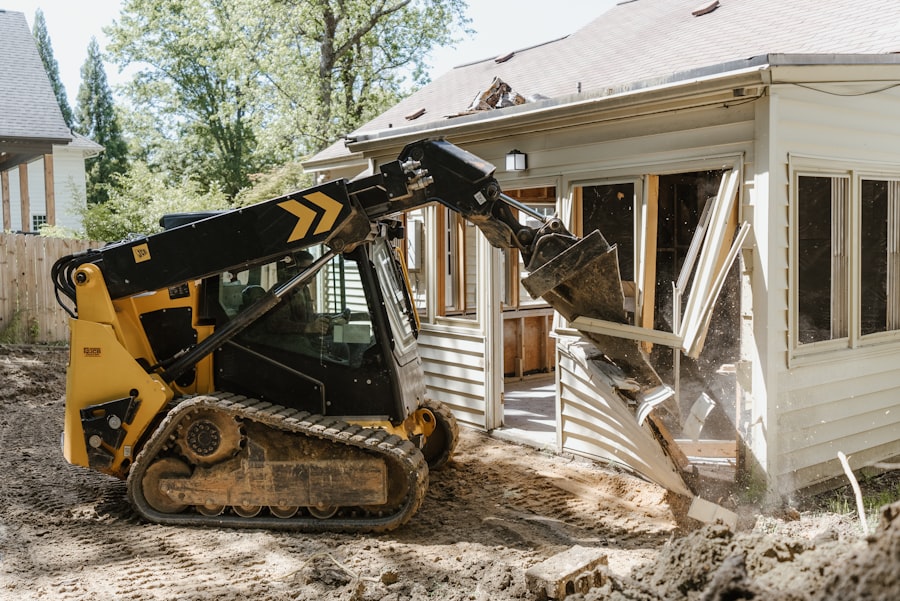
Throughout the construction process, vigilance and clear communication are your most valuable tools. You are not merely a spectator; you are an active participant in ensuring the quality of your investment.
Regular Site Visits and Inspections
You should schedule regular visits to the construction site to observe progress and address any questions or concerns that arise. This proactive approach allows you to catch potential issues early, before they become significant problems. Think of these visits as regular check-ups for your future home.
Documentation and Communication with Your Builder
Maintain a detailed record of all communications with your builder, including meeting notes, change orders, and inspection reports. This documentation serves as a valuable reference and a safeguard in case of disputes. This is akin to keeping a meticulous logbook for a long voyage.
Professional Inspections
Beyond the builder’s internal quality control, consider hiring an independent home inspector at key stages of construction. This provides an objective evaluation of the work being performed.
Pre-Drywall Inspection
This inspection, conducted before the drywall is installed, allows for a thorough examination of the framing, electrical, plumbing, and HVAC systems within the walls. It’s a chance to see the skeleton before it’s covered.
Final Inspection
A comprehensive final inspection before closing ensures all work is completed to your satisfaction and in accordance with the contract. This is the final review before taking possession.
If you’re exploring options for residential construction in Auburn Hills, McKinney, TX, you might find it helpful to read about similar projects in different regions. For instance, an insightful article on home contracting can be found at Better Home Contractor in Evansville, Indiana, which discusses trends and tips that could apply to your local market as well. Understanding these broader trends can help you make informed decisions for your own construction needs.
Living in Auburn Hills: The Post-Construction Experience
| Metric | Value | Notes |
|---|---|---|
| Average Home Size | 2,800 sq ft | Typical for new residential builds in Auburn Hills |
| Average Construction Time | 6-8 months | From groundbreaking to completion |
| Number of New Homes Built (2023) | 150 | Estimated based on local permits and builder reports |
| Popular Home Styles | Traditional, Craftsman, Modern | Reflects buyer preferences in Auburn Hills |
| Average Lot Size | 0.25 acres | Standard residential lot in the community |
| Key Builders | DR Horton, Perry Homes, Highland Homes | Leading residential construction companies in the area |
| Permit Approval Time | 3-4 weeks | Typical timeframe for construction permits in McKinney |
| Energy Efficiency Features | Solar panels, Energy Star appliances, Insulated windows | Common in new builds to meet local codes and buyer demand |
Once the keys are in your hand, the journey shifts from construction to habitation. The community’s amenities and the surrounding area continue to shape your experience.
Enjoying Community Amenities
Auburn Hills, as a master-planned community, is designed to offer a rich living experience. Take full advantage of the parks, pools, and trails that are integral to the neighborhood’s appeal. These are the amenities that transform a house into a home within a vibrant community.
Access to Recreation and Gathering Spaces
The planned green spaces and recreational facilities provide opportunities for exercise, relaxation, and social interaction, fostering a sense of belonging.
The Surrounding McKinney Lifestyle
McKinney offers a well-rounded lifestyle that extends beyond the boundaries of Auburn Hills.
Local Dining, Shopping, and Entertainment
McKinney boasts a charming historic downtown square, an array of retail options, and a growing culinary scene. You’ll find numerous opportunities for leisure and entertainment close at hand.
Educational Opportunities
For families, the quality of local schools is often a significant consideration. McKinney Independent School District serves the area, and its performance can be a key factor in your decision-making process.
Long-Term Value and Property Maintenance
Investing in residential construction in Auburn Hills is also an investment in long-term value. Understanding how to maintain your property will be crucial.
Home Maintenance and Upkeep
Regular maintenance of your new home, from routine HVAC servicing to exterior cleaning, will preserve its condition and its value over time. Your home is a living entity that requires ongoing care.
Community Association Involvement
Engaging with the community association, understanding their role, and participating in community events can enhance your living experience and contribute to the overall well-being of Auburn Hills. Your participation is the thread that weaves the community fabric tighter.
Building a home in Auburn Hills, McKinney, Texas, is a complex but rewarding endeavor. By understanding the landscape, navigating the construction process with a discerning eye, and embracing the lifestyle the community offers, you can lay the foundation for a fulfilling and enjoyable homeownership experience. Remember, meticulous planning and informed decision-making are the cornerstones of a successful build, ensuring that your new residence becomes a sanctuary for years to come.
FAQs
What types of residential construction services are available in Auburn Hills, McKinney TX?
Residential construction services in Auburn Hills, McKinney TX typically include new home building, custom home design, remodeling, additions, and sometimes landscaping and exterior work. Builders often offer turnkey solutions from planning and permits to final finishes.
How long does it usually take to complete a residential construction project in Auburn Hills?
The timeline for residential construction in Auburn Hills varies depending on the project’s size and complexity. On average, new home construction can take anywhere from 6 to 12 months, while smaller remodeling projects may take a few weeks to a few months.
Are there specific building codes or regulations to follow in McKinney, TX?
Yes, all residential construction in McKinney, TX must comply with local building codes, zoning laws, and safety regulations. Builders must obtain the necessary permits and inspections to ensure the construction meets city and state standards.
What factors influence the cost of residential construction in Auburn Hills?
Costs are influenced by factors such as the size of the home, materials used, design complexity, labor rates, and site conditions. Additional costs may include permits, utility connections, and landscaping.
How can homeowners find reputable residential construction contractors in Auburn Hills, McKinney TX?
Homeowners can find reputable contractors by checking local listings, reading reviews, asking for referrals, and verifying licenses and insurance. It is also advisable to request multiple quotes and review past project portfolios before making a decision.