Dreaming of a home that perfectly reflects your style and needs? You’ve found yourself in the heart of historic Downtown McKinney, Texas, a locale brimming with character and charm, and you’re contemplating the prospect of building something truly unique. Custom home construction in this vibrant district is not merely about erecting walls and a roof; it’s a meticulous process of translating your aspirations into a tangible reality. It’s about crafting a living space that becomes an extension of yourself, a canvas upon which your life will unfold. This guide is designed to illuminate the path forward, acting as your compass through the exciting, sometimes complex, journey of building your bespoke dwelling in Downtown McKinney.
The Allure of Downtown McKinney for Bespoke Residences
Downtown McKinney is more than just a postcode; it’s an experience. Its cobblestone streets, well-preserved Victorian architecture, and a palpable sense of community create an environment that draws individuals seeking a place to put down roots. For those considering a custom home, this historic core offers a rare blend of small-town warmth and burgeoning urban amenities.
Unique Architectural Heritage and Neighborhood Character
The existing architectural fabric of Downtown McKinney serves as both an inspiration and a consideration for any new construction. You’ll observe a delightful tapestry of styles, from the grandeur of early 20th-century storefronts to the intimate scale of residential porches that invite neighborly chats. Building here means becoming a steward of this legacy, integrating your custom vision in a way that respects and complements the established aesthetic. This isn’t about replicating the past, but about a thoughtful dialogue between old and new, ensuring your home contributes positively to the streetscape. The established character of the neighborhood acts as a gentle guide, encouraging a design that feels at home rather than an anomaly.
Understanding Historic District Guidelines
Before even sketching a floor plan, you’ll need to become intimately familiar with the regulations governing construction within the historic district. These guidelines are designed to preserve the unique charm and integrity of Downtown McKinney. They often pertain to matters such as building materials, façade treatments, rooflines, and even landscaping. Navigating these requirements is akin to learning the grammar of the neighborhood’s architectural language. Understanding these rules upfront can prevent costly revisions and ensures your project harmonizes with its surroundings.
The Benefit of a Homogenous Streetscape
While individuality is the hallmark of custom construction, a cohesive streetscape contributes to the overall desirability of a neighborhood. Your custom home, when thoughtfully designed and situated, will enhance this cohesion. It will become a point of pride not only for you but for the entire community, a testament to what can be achieved when personal expression meets collective preservation.
Proximity to Amenities and Lifestyle Opportunities
Living in Downtown McKinney means embracing a lifestyle of convenience and engagement. You’re a stone’s throw from an array of sophisticated dining establishments, boutique shops, and vibrant entertainment venues. This accessibility is a significant draw for custom home builders who value both tranquility at home and the liveliness of their surroundings.
Walkable Access to Local Attractions
Imagine stepping out your front door and being able to stroll to a farmer’s market, enjoy a coffee at a local cafe, or attend a community event – all without needing your car. This walkability is a defining characteristic of the downtown experience and a significant factor for many who choose to build here. Your custom home will be situated at the nexus of daily life, reducing reliance on a vehicle and fostering a deeper connection with your immediate environment.
A Hub for Cultural and Social Engagement
Downtown McKinney is a dynamic hub for cultural and social activities. From art walks and live music to holiday festivities and community gatherings, there’s always something happening. Building your custom home here places you at the center of this enriched social fabric, offering ample opportunities for connection and participation. Your home becomes not just a sanctuary, but a springboard into a thriving community.
If you’re considering Custom House Construction in Downtown McKinney, TX, you might find it helpful to explore related insights on home building and renovation. A great resource is an article that discusses various aspects of home contracting, which can provide valuable information for your project. You can read more about it here: Better Home Contractor in Wyoming, Michigan. This article covers essential tips and considerations that can enhance your understanding of the construction process.
The Custom Home Building Process: A Step-by-Step Blueprint
Embarking on a custom home build is akin to embarking on an expedition. It requires planning, resources, and a clear understanding of the terrain. This section outlines the fundamental stages you will navigate from conception to completion.
Phase 1: Vision and Design Conceptualization
This is where your dream begins to take its initial shape. It’s a period of intense ideation, exploration, and preliminary planning. Think of this as the sketching phase, where broad strokes are applied before fine details are considered.
Defining Your Needs and Lifestyle
Before you engage with architects or builders, you must undertake a period of introspection. What are your non-negotiables? How many bedrooms and bathrooms do you require? What are your entertainment needs? Consider your current lifestyle and how you envision it evolving within your new home. Are you a homebody who loves to cook and entertain, or do you prioritize quiet spaces for work and relaxation? This self-assessment is the bedrock upon which all subsequent design decisions will be made.
Selecting Your Architectural Partner
The architect is your translator, the one who will take your abstract desires and translate them into concrete, buildable plans. Their expertise in design, structural integrity, and local building codes is paramount. Your architect will be your creative collaborator, guiding you through the aesthetic and functional aspects of your home, ensuring the design aligns with both your vision and the practicalities of construction.
The Importance of a Strong Client-Architect Relationship
A successful custom build hinges on a strong, collaborative relationship with your architect. Open communication, shared vision, and mutual trust are essential. You need to feel comfortable sharing your ideas, and your architect needs to feel empowered to offer creative solutions and navigate technical challenges. This partnership is the engine that drives the design process.
Developing Preliminary Floor Plans and Elevations
With your architect aboard, the initial conceptualization transforms into tangible drawings. Preliminary floor plans will illustrate the layout of your home, defining room sizes, flow, and adjacencies. Elevations will provide a visual representation of the exterior, showcasing the form, materials, and overall aesthetic. These documents are living blueprints, subject to refinement as your understanding and the architect’s input evolve.
Phase 2: Detailed Design and Permitting
Once the overarching vision is established, the focus shifts to refining the design and securing the necessary approvals to begin construction. This phase is about precision and compliance.
Technical Design and Engineering
Beyond aesthetics, a custom home demands robust engineering. Structural engineers will ensure the integrity of your home’s framework, while other specialists might address aspects like HVAC systems, plumbing, and electrical layouts. This phase is about ensuring your beautiful design is also structurally sound and functionally efficient, a silent but critical backbone for your home.
Material Selection and Specification
This is where the tactile experience of your home comes into play. You’ll be making decisions about everything from flooring and cabinetry to roofing and exterior cladding. Your architect and builder will guide you, advising on durability, aesthetics, and cost-effectiveness. This is your opportunity to imbue your home with character through the very materials it’s constructed from.
Navigating the Permitting Process
Before any groundbreaking can occur, your construction plans must be approved by the local authorities. This involves submitting detailed documentation to ensure compliance with zoning laws, building codes, and any specific regulations within Downtown McKinney’s historic district. This step is a crucial gatekeeper, ensuring your project adheres to established standards.
Assembling Your Construction Dream Team
No custom home is built single-handedly. It requires a skilled and coordinated team to bring the plans to life. Selecting the right partners is as critical as the initial design itself.
The Role of the General Contractor
The General Contractor (GC) is the conductor of your construction orchestra. They manage the day-to-day operations of the build, coordinating subcontractors, scheduling work, managing budgets, and ensuring the project stays on track and within scope. Their experience is invaluable in translating architectural plans into a functional dwelling.
Finding a Reputable and Experienced General Contractor
Research is key. Seek out contractors with a proven track record in custom home construction, particularly those with experience in historic districts. Look for strong communication skills, a clear understanding of your project, and a portfolio that aligns with your aesthetic preferences. Client testimonials and references are your most reliable indicators of a contractor’s quality and reliability.
Due Diligence in Contractor Selection
This is not a step to be rushed. Thoroughly vet potential contractors by reviewing their licenses, insurance, and past projects. Request bids and compare them carefully, understanding what each includes. A slightly higher bid from a highly reputable contractor can often translate to a smoother process and a superior final product.
The Importance of Skilled Subcontractors
Your GC will engage a variety of specialized tradespeople, from electricians and plumbers to framers and finish carpenters. The quality of their workmanship directly impacts the final outcome of your home.
Ensuring Quality Craftsmanship
Your GC will be responsible for overseeing the work of subcontractors. However, as the homeowner, you should also be aware of the importance of quality craftsmanship. This involves understanding that good work takes time and attention to detail. Your GC should have a rigorous system for vetting and managing their subcontractors, ensuring that each trade performs at a high standard.
Communication Across the Trades
Effective communication among all parties – you, your architect, and the GC and their subcontractors – is vital. A well-coordinated team minimizes errors, prevents delays, and ensures a harmonious building process.
The Construction Phase: Bringing Your Vision to Life
With plans approved and your team assembled, the exciting journey of construction begins. This phase is a dynamic process of creation, where materials transform into form and function.
Site Preparation and Foundation Work
Before the walls rise, meticulous preparation of the building site is essential. This includes clearing the land, establishing proper drainage, and excavating for the foundation. The foundation is the literal and metaphorical bedrock of your home, ensuring its stability and longevity.
Excavation and Utility Rough-ins
The excavation process marks the first tangible step of physically altering the landscape for your home. During this stage, essential utility lines, such as water, sewer, and electrical conduits, are laid in preparation for connection. This is a critical precursor to the structural build.
Pouring the Foundation
The foundation is the silent guardian of your home. Whether it’s a slab-on-grade, a crawl space, or a full basement, its proper construction is paramount. Engineers will have specified the exact requirements to ensure your home stands strong for generations.
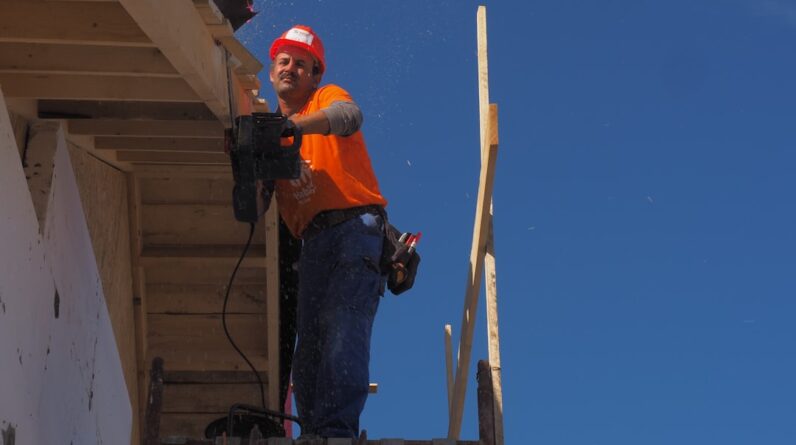
Framing and Structural Integrity
The skeletal structure of your home is erected during the framing phase. This involves the installation of walls, floors, and the roof system, defining the spatial relationships and overall form of your dwelling.
Building the Framework of Your Home
The carpenters meticulously construct the frame, bringing the architectural drawings to three-dimensional life. This is where you can begin to truly visualize the scale and layout of your rooms. Attention to detail here ensures future structural soundness.
Ensuring Against Future Issues
Proper framing techniques and adherence to building codes are not just about meeting regulations; they are about preventing future issues like settling, moisture problems, and structural fatigue. Your GC and framers play a crucial role in building a robust and durable home.
Exterior Work: Weatherproofing and Aesthetics
Once the framing is complete, the focus shifts to enclosing the structure and protecting it from the elements. This phase involves installing insulation, roofing, windows, doors, and the exterior siding.
Installing Roofing and Exterior Cladding
The roof is your home’s primary defense against the weather. The choice of roofing material, from traditional asphalt shingles to more durable metal options, will impact both aesthetics and longevity. Similarly, exterior cladding, whether brick, stone, or siding, defines your home’s curb appeal and protective barrier.
Considering the Climate and Durability of Materials
In Texas, materials that can withstand significant temperature fluctuations and intense sun are crucial. Your choices should prioritize both durability and aesthetic appeal, ensuring your home remains beautiful and protected for years to come, standing as a steadfast sentinel against the elements.
Window and Door Installation
The placement and style of windows and doors significantly impact natural light, ventilation, and the overall aesthetic of your home. Proper installation ensures they are not only visually appealing but also provide excellent insulation and security.
Interior Finishes: Bringing Comfort and Style
The interior of your custom home is where your personal style truly shines. This phase involves a multitude of trades, from drywall installation and painting to flooring, cabinetry, and fixture installation.
Drywall, Painting, and Flooring
These are the foundational elements of your home’s interior aesthetics. Smoothly finished drywall and expertly applied paint create a canvas for your décor. The choice of flooring – hardwood, tile, carpet, or luxury vinyl – will profoundly influence the feel and functionality of each space.
Balancing Durability and Aesthetic Appeal in Flooring Choices
Consider the traffic flow and intended use of each room. A high-traffic area might benefit from a more durable material, while a bedroom could prioritize comfort and warmth. Your choices here will impact the daily life within your home, so balance is key.
Cabinetry, Countertops, and Fixtures
These are the elements that often define the personality of your kitchen and bathrooms. Custom cabinetry allows for optimized storage and a seamless look, while the selection of countertops and fixtures adds the finishing touches that elevate the design.
If you’re considering Custom House Construction in Downtown McKinney, TX, you might find it helpful to explore related insights on home contracting. For instance, an article discussing the services offered by Better Home Contractor in Schenectady, New York, provides valuable information on quality construction practices and customer satisfaction. You can read more about their approach to home building and renovation by visiting this link. This could give you a broader perspective on what to expect from your own construction project.
Post-Construction and Beyond: Enjoying Your Custom Sanctuary
The final stages of construction involve inspections and handover, leading to the most rewarding part: moving in and enjoying your custom-built haven.
Final Inspections and Occupancy
Before you can officially move in, your home will undergo a series of final inspections by building officials to ensure all work has been completed according to the approved plans and codes. This is a crucial step in verifying the safety and habitability of your new home.
Certificate of Occupancy
Upon successful completion of all inspections, you will receive a Certificate of Occupancy. This document officially signifies that your home is ready for you to inhabit, marking the culmination of the building project.
Homeowner’s Warranty and Ongoing Maintenance
Most custom home builders offer a homeowner’s warranty that covers certain structural and system defects for a specified period. Understanding the terms of this warranty and establishing a regular maintenance schedule are essential for preserving the value and integrity of your investment.
Proactive Maintenance for Longevity
Regular cleaning, landscaping, and periodic system checks are not an afterthought but a vital component of homeownership. Proactive maintenance ensures that minor issues are addressed before they become major problems, safeguarding your home’s longevity and your peace of mind.
Embracing Your New Downtown McKinney Lifestyle
You have meticulously crafted a home that reflects your aspirations and needs, situated in a community renowned for its charm and vibrancy. Now, the true joy begins: settling in, making memories, and fully embracing the unique lifestyle that Downtown McKinney offers. Your custom home is not just a structure; it’s the stage upon which your future unfolds, a testament to your vision and a sanctuary in the heart of a beloved Texas town.
FAQs
What is Custom House Construction?
Custom house construction refers to the process of designing and building a home tailored specifically to the homeowner’s preferences, needs, and specifications, rather than choosing from pre-designed models.
Why choose Custom House Construction in Downtown McKinney, TX?
Downtown McKinney offers a unique blend of historic charm and modern amenities. Building a custom home here allows homeowners to create a personalized living space that complements the area’s character while benefiting from its vibrant community and convenient location.
How long does custom house construction typically take in Downtown McKinney?
The timeline for custom house construction varies depending on the complexity of the design, size of the home, and permitting processes. On average, it can take anywhere from 6 months to over a year from design to completion.
Are there specific building regulations or permits required for custom homes in Downtown McKinney?
Yes, building in Downtown McKinney requires adherence to local zoning laws, historic district guidelines (if applicable), and obtaining necessary permits from the city. It’s important to work with builders familiar with these regulations to ensure compliance.
Can I incorporate energy-efficient or sustainable features in my custom home in Downtown McKinney?
Absolutely. Many custom home builders in McKinney offer options to include energy-efficient appliances, sustainable building materials, solar panels, and other green technologies to create an environmentally friendly and cost-effective home.