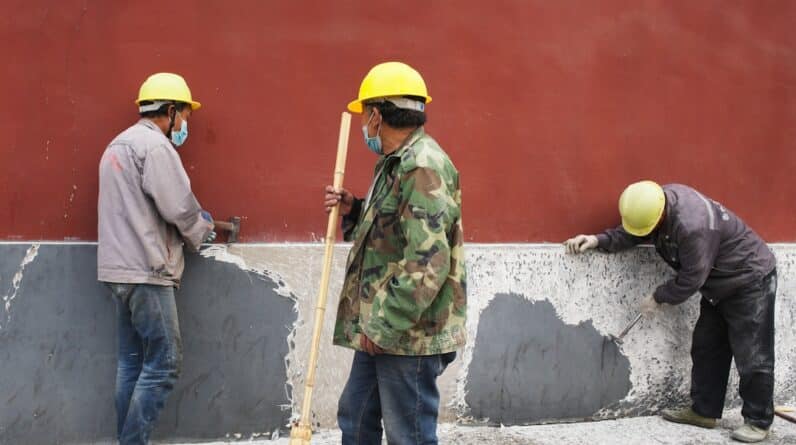
What Are the Four Methods Used for Site Preparation?
When embarking on any construction project, the significance of site preparation cannot be overstated. This initial phase lays the groundwork for the entire endeavor, ensuring that the site is ready for the subsequent stages of construction. You may not realize it, but the success of your project hinges on how well you prepare the site.
Proper site preparation minimizes potential issues that could arise later, such as structural instability, drainage problems, or environmental concerns. By investing time and resources into this phase, you set a solid foundation for your project, both literally and figuratively. Moreover, effective site preparation can lead to cost savings in the long run.
When you take the time to assess the land, clear obstacles, and ensure proper grading, you reduce the likelihood of unexpected expenses cropping up during construction. You may find that addressing potential challenges early on can save you from costly delays and rework later. In essence, site preparation is not just a preliminary step; it is a critical investment in the overall success and efficiency of your construction project.
Key Takeaways
- Proper site preparation is crucial for the success of any construction project
- Clearing and grubbing involves removing trees, stumps, and vegetation from the site
- Grading and excavation are necessary to create a level and stable foundation for construction
- Soil stabilization techniques help improve the strength and durability of the soil
- Drainage and erosion control measures are essential to prevent water damage and soil erosion on the site
Clearing and Grubbing
Removing Natural Features
Trees, shrubs, rocks, and other natural features must be carefully removed to ensure that the site is ready for grading and excavation. This step not only enhances safety but also allows for a more accurate assessment of the land’s topography.
Ecological Implications
In addition to improving safety and accessibility, clearing and grubbing can also have ecological implications. You may need to consider local regulations regarding tree removal and habitat preservation. It’s important to strike a balance between preparing your site for construction and protecting the environment.
Compliance and Responsibility
By working with environmental specialists or consulting local guidelines, you can ensure that your clearing efforts are compliant and responsible. This approach not only helps you avoid potential fines but also fosters goodwill within the community.
Grading and Excavation

Once the site has been cleared, grading and excavation come into play. Grading involves leveling the ground to create a stable base for construction, while excavation focuses on digging into the earth to create foundations, trenches, or other necessary features. You may find that this phase is crucial for ensuring proper drainage and preventing future issues with water accumulation or soil erosion.
A well-graded site allows for efficient water runoff, which is essential for maintaining the integrity of your structure. During grading and excavation, you will need to consider various factors such as soil type, slope, and existing drainage patterns. Understanding these elements will help you make informed decisions about how to proceed.
You might also need to engage with professionals who specialize in land surveying or civil engineering to ensure that your grading plans align with local regulations and best practices. By taking these steps, you can create a solid foundation that supports your construction project while minimizing potential complications down the line.
Soil Stabilization
Soil stabilization is a critical aspect of site preparation that often goes overlooked. The stability of the soil directly impacts the durability and safety of your structure. If you encounter weak or unstable soil during excavation, you may need to implement stabilization techniques to enhance its load-bearing capacity.
This could involve adding materials such as lime or cement to improve soil strength or using geotextiles to reinforce weak areas. You might find that investing in soil stabilization not only enhances safety but also prolongs the lifespan of your building. In addition to improving structural integrity, soil stabilization can also mitigate issues related to settlement and shifting over time.
You may be aware that buildings can experience movement due to changes in moisture content or temperature fluctuations. By stabilizing the soil before construction begins, you can significantly reduce the risk of these problems occurring in the future. This proactive approach ensures that your investment remains sound and minimizes the need for costly repairs or reinforcements later on.
Drainage and Erosion Control
Effective drainage and erosion control are vital components of site preparation that protect both your construction project and the surrounding environment. Proper drainage systems help manage water runoff, preventing flooding and water accumulation around your foundation. You may need to design a comprehensive drainage plan that includes features such as swales, ditches, or retention ponds to direct water away from your site.
By addressing drainage concerns early on, you can avoid significant issues during and after construction. Erosion control is equally important in maintaining the integrity of your site during heavy rains or storms. Without proper measures in place, soil can wash away, leading to instability and potential damage to your structure.
You might consider implementing erosion control techniques such as silt fences, sediment basins, or vegetation planting to stabilize exposed soil. These methods not only protect your investment but also contribute to environmental conservation by reducing sediment runoff into nearby waterways.
Environmental Considerations

Identifying Potential Risks
By conducting an environmental assessment before beginning work, you can identify potential risks and develop strategies to mitigate them. This proactive approach not only helps you comply with regulations but also demonstrates your commitment to sustainable practices.
Enhancing Your Project’s Reputation
Incorporating environmentally friendly practices into your site preparation can also enhance your project’s reputation within the community. You might explore options such as using recycled materials for construction or implementing green building techniques that minimize waste and energy consumption.
Positioning Yourself as a Responsible Builder
By prioritizing sustainability during site preparation, you not only protect natural resources but also position yourself as a responsible builder who values environmental stewardship.
Equipment and Machinery Used
The equipment and machinery utilized during site preparation play a crucial role in determining efficiency and effectiveness. Depending on the scope of your project, you may require various types of machinery for tasks such as clearing, grading, excavation, and soil stabilization. For instance, bulldozers are commonly used for clearing large areas of land, while excavators are essential for digging foundations or trenches.
Understanding which equipment is best suited for each task will help streamline your operations and ensure that work progresses smoothly. Additionally, it’s important to consider factors such as equipment availability and rental costs when planning your site preparation phase. You might find it beneficial to partner with reputable equipment rental companies that offer well-maintained machinery at competitive rates.
This approach allows you to access high-quality equipment without incurring significant upfront costs associated with purchasing machinery outright. By carefully selecting the right tools for the job, you can enhance productivity while keeping expenses manageable.
Cost and Time Considerations
Finally, cost and time considerations are paramount when planning your site preparation activities. You may find that this phase can account for a significant portion of your overall project budget if not managed effectively. It’s essential to develop a detailed budget that outlines all anticipated expenses related to clearing, grading, excavation, soil stabilization, drainage systems, and erosion control measures.
By having a clear financial plan in place, you can avoid unexpected costs that could derail your project. Time management is equally critical during site preparation. Delays in this phase can have a cascading effect on subsequent construction activities, leading to extended timelines and increased costs.
You might consider creating a detailed schedule that outlines each step of the site preparation process while allowing for contingencies in case of unforeseen challenges. By staying organized and proactive in managing both costs and timelines, you can set your project up for success from the very beginning. In conclusion, effective site preparation is an indispensable part of any construction project that requires careful planning and execution.
From clearing and grubbing to grading and erosion control, each step plays a vital role in ensuring a successful outcome. By prioritizing these activities and considering environmental impacts along with cost and time factors, you position yourself for a smoother construction process that ultimately leads to a more durable and sustainable structure.
If you are interested in learning more about creating inclusive spaces, you may want to check out the article Inclusivity in Historical Spaces: Ensuring Accessibility for All. This article discusses the importance of making historical spaces accessible to everyone, highlighting the need for inclusivity in design and construction practices. It offers valuable insights into how to create welcoming environments that cater to individuals with diverse needs and abilities.
FAQs
What are the four methods used for site preparation?
The four methods used for site preparation are clearing, grading, excavation, and compaction.
What is clearing in site preparation?
Clearing involves the removal of trees, shrubs, rocks, and other vegetation from the site to create a clear area for construction or landscaping.
What is grading in site preparation?
Grading is the process of leveling and shaping the land to the desired contours, ensuring proper drainage and stability for the construction project.
What is excavation in site preparation?
Excavation involves the removal of soil, rock, or other materials from the site to create space for foundations, basements, utilities, or other underground structures.
What is compaction in site preparation?
Compaction is the process of mechanically compacting the soil to increase its density and improve its load-bearing capacity, reducing the risk of settling or shifting.