Site Clearing Essentials: How to Start Your Construction Project Right
When embarking on any construction project, the significance of site clearing cannot be overstated. You may think of it as merely removing trees and debris, but it is much more than that. Site clearing lays the foundation for a successful build, ensuring that the land is prepared for the intended purpose.
A well-cleared site allows for accurate measurements, proper drainage, and a stable base for structures. Without this crucial step, you risk encountering unforeseen challenges that could delay your project and inflate costs. Moreover, site clearing is essential for safety.
An overgrown or cluttered area can pose hazards to workers and equipment alike. By removing obstacles and potential dangers, you create a safer working environment, which is paramount in any construction endeavor. Additionally, a cleared site can enhance the aesthetic appeal of the area, making it more inviting and functional.
Thus, understanding the importance of site clearing is the first step toward ensuring that your construction project runs smoothly and efficiently.
Key Takeaways
- Site clearing is important for preparing the land for construction and ensuring safety and efficiency during the building process.
- Assessing the site for clearing involves evaluating the terrain, vegetation, and any potential obstacles that need to be removed.
- Obtaining necessary permits and permissions is crucial to ensure compliance with local regulations and environmental laws.
- Hiring the right professionals, such as land clearing contractors and environmental consultants, is essential for a successful site clearing process.
- Selecting the right equipment and tools, such as bulldozers, excavators, and chainsaws, is important for effectively clearing the site.
Assessing the Site for Clearing
Before you can begin the actual clearing process, it is vital to conduct a thorough assessment of the site. This involves evaluating the topography, soil quality, and existing vegetation. You should take note of any natural features that may impact your project, such as slopes, water bodies, or protected wildlife habitats.
By understanding these elements, you can make informed decisions about what needs to be cleared and what should be preserved. In addition to physical characteristics, consider any potential environmental impacts of your clearing activities. You may need to consult with environmental experts to ensure that your plans comply with local regulations and do not harm the ecosystem.
This assessment phase is crucial; it not only helps you identify what needs to be done but also prepares you for any challenges that may arise during the clearing process. By taking the time to assess the site thoroughly, you set yourself up for success in the subsequent stages of your project.
Obtaining Necessary Permits and Permissions

Once you have assessed the site and determined what clearing is necessary, the next step is to obtain the required permits and permissions. Depending on your location and the scope of your project, this process can vary significantly. You may need to secure permits from local government agencies, environmental organizations, or even homeowners’ associations.
It’s essential to familiarize yourself with these requirements early on to avoid delays later in the project. Navigating the permitting process can be daunting, but it is a critical step in ensuring that your site clearing is legal and compliant with regulations. You should gather all necessary documentation, including site plans and environmental assessments, to facilitate this process.
Engaging with local authorities can also provide valuable insights into any specific requirements or restrictions that may apply to your project. By proactively addressing these legalities, you can move forward with confidence, knowing that your site clearing efforts are sanctioned and supported by the appropriate entities.
Hiring the Right Professionals for the Job
With permits in hand and a clear understanding of your site’s needs, it’s time to consider hiring professionals for the clearing process. While you might be tempted to tackle this task on your own or enlist friends and family, hiring experienced contractors can save you time, money, and potential headaches down the line. Professionals bring expertise in site clearing techniques, safety protocols, and equipment operation that can make a significant difference in the efficiency of your project.
When selecting a contractor, take the time to research their background and reputation. Look for reviews or testimonials from previous clients to gauge their reliability and quality of work. It’s also wise to request quotes from multiple contractors to compare pricing and services offered.
By choosing the right professionals for your site clearing needs, you ensure that the job will be done correctly and safely, allowing you to focus on other aspects of your construction project.
Selecting the Right Equipment and Tools
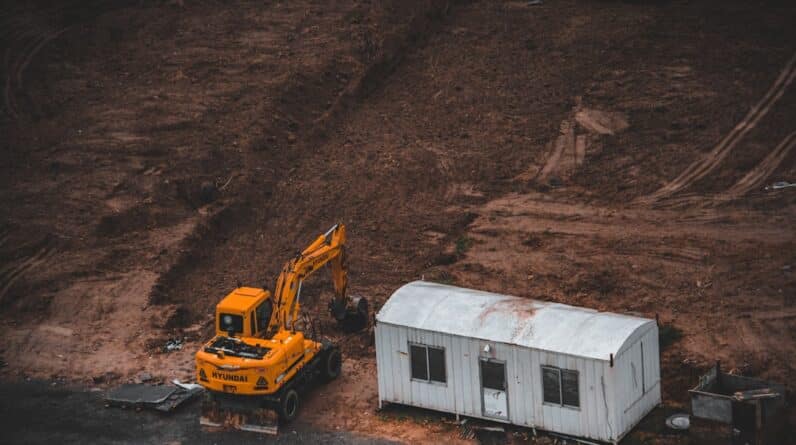
The success of your site clearing efforts largely depends on the equipment and tools you choose to use. Depending on the size of your site and the extent of clearing required, you may need a variety of machinery such as bulldozers, excavators, or chainsaws. Each piece of equipment serves a specific purpose; for instance, bulldozers are excellent for moving large amounts of earth while excavators are ideal for digging deeper into the ground.
Before making any purchases or rentals, assess your specific needs based on your site assessment and project scope. It’s also important to consider factors such as terrain type and accessibility when selecting equipment. If you’re unsure about what tools are necessary, consulting with your hired professionals can provide clarity.
They can recommend appropriate machinery based on their experience with similar projects. By carefully selecting the right equipment and tools, you enhance the efficiency of your site clearing process and set a solid groundwork for construction.
Implementing Safe and Efficient Site Clearing Techniques

As you move forward with site clearing, implementing safe and efficient techniques is paramount. Safety should always be your top priority; ensure that all workers are equipped with personal protective equipment (PPE) such as helmets, gloves, and eye protection. Additionally, establish clear communication protocols among team members to minimize risks during operations.
Regular safety meetings can help reinforce these practices and keep everyone informed about potential hazards. Efficiency is equally important in site clearing. You want to maximize productivity while minimizing waste and downtime.
One effective technique is to create a detailed plan outlining each step of the clearing process. This plan should include timelines, responsibilities, and specific methods for removing different types of vegetation or debris. By having a structured approach in place, you can streamline operations and ensure that everyone is on the same page.
Implementing these safe and efficient techniques will not only protect your team but also contribute to a smoother overall project timeline.
Managing Waste and Debris
As you clear the site, managing waste and debris becomes an essential aspect of the process. Proper disposal is not only a matter of aesthetics but also a legal requirement in many areas. You should develop a waste management plan that outlines how different types of materials will be handled—whether they will be recycled, repurposed, or disposed of in landfills.
This plan should also consider local regulations regarding waste disposal to ensure compliance. In addition to legal considerations, think about sustainability when managing waste. For instance, if you’re removing trees or brush, consider whether some materials can be chipped for mulch or used in landscaping later on.
By adopting an environmentally conscious approach to waste management, you not only contribute positively to the ecosystem but also potentially reduce costs associated with disposal fees. Effective waste management during site clearing sets a responsible tone for your entire construction project.
Preparing the Site for Construction
After successfully completing the site clearing process, it’s time to prepare the land for construction. This stage involves grading the land to create a level surface suitable for building foundations. Proper grading ensures effective drainage and prevents water accumulation that could undermine structures over time.
You may need to hire professionals who specialize in land grading to achieve optimal results. Additionally, consider installing erosion control measures if your site is prone to runoff or soil erosion. Techniques such as silt fencing or planting grass can help stabilize the soil before construction begins.
Preparing the site thoroughly not only enhances its readiness for building but also demonstrates a commitment to responsible land management practices. By taking these final steps in preparation, you set yourself up for a successful construction phase ahead. In conclusion, site clearing is a multifaceted process that requires careful planning and execution.
From understanding its importance to preparing the land for construction, each step plays a critical role in ensuring a successful project outcome. By assessing your site thoroughly, obtaining necessary permits, hiring qualified professionals, selecting appropriate equipment, implementing safe techniques, managing waste responsibly, and preparing adequately for construction, you position yourself for success in your building endeavors.
If you are looking for a reliable home contractor in Dallas, Texas, Fresno, California, or El Monte, California, be sure to check out <a href='https://betterhomecontractor.net/better-home-contractor-dallas-texas/’>Better Home Contractor. Their team of professionals can help you with a wide range of construction projects, including site clearing essentials to start your project off right. With their expertise and dedication to quality work, you can trust Better Home Contractor to deliver exceptional results for your home improvement needs.
FAQs
What is site clearing?
Site clearing is the process of removing trees, vegetation, rocks, and other obstacles from a piece of land in preparation for construction or development.
Why is site clearing important for a construction project?
Site clearing is important for a construction project because it creates a clean and level surface for construction activities to take place. It also helps to identify any potential hazards or environmental concerns on the site.
What are the essential steps in site clearing?
The essential steps in site clearing include surveying the site, obtaining necessary permits, marking boundaries, removing vegetation and trees, clearing debris, and properly disposing of waste materials.
What equipment is typically used for site clearing?
Equipment commonly used for site clearing includes bulldozers, excavators, chainsaws, mulchers, and dump trucks. These machines are used to remove trees, vegetation, and other obstacles from the site.
What are the environmental considerations for site clearing?
Environmental considerations for site clearing include protecting natural habitats, minimizing soil erosion, and properly disposing of waste materials. It is important to follow local regulations and best practices to minimize the impact on the environment.
How can I ensure safe site clearing practices?
To ensure safe site clearing practices, it is important to hire experienced and qualified professionals, obtain necessary permits, conduct a thorough site assessment, and follow all safety guidelines and regulations. Additionally, proper training and equipment maintenance are essential for safe site clearing.