Roots to Rooftops: The Journey of Site Clearing and Construction
When embarking on a construction project, the first step you must take is site clearing. This process is crucial as it sets the stage for everything that follows. You need to understand that site clearing involves removing any obstacles that may hinder the construction process.
This includes trees, shrubs, debris, and any existing structures that are not part of your new build. The goal is to create a clean slate, allowing for a smooth transition into the next phases of construction. As you delve into the site clearing process, you will find that it requires careful planning and execution.
You must assess the land to determine what needs to be removed and what can be preserved. For instance, if there are mature trees that can enhance the landscape, you might want to consider keeping them. Additionally, you should be aware of local regulations regarding land clearing, as there may be restrictions on removing certain types of vegetation or wildlife habitats.
By understanding these nuances, you can ensure that your site clearing is both effective and compliant with local laws.
Key Takeaways
- Site clearing is the first step in construction, involving the removal of trees, debris, and other obstacles to make way for the building process.
- Excavation and grading are crucial for preparing the ground, ensuring a level and stable foundation for the structure.
- The foundation is the backbone of the building, providing support and stability for the entire structure.
- Walls and the roof are built up to enclose the space, providing protection from the elements and creating a secure environment.
- Installing utilities such as plumbing, electrical, and HVAC systems is essential for the functionality and comfort of the building.
Preparing the Ground: Excavation and Grading
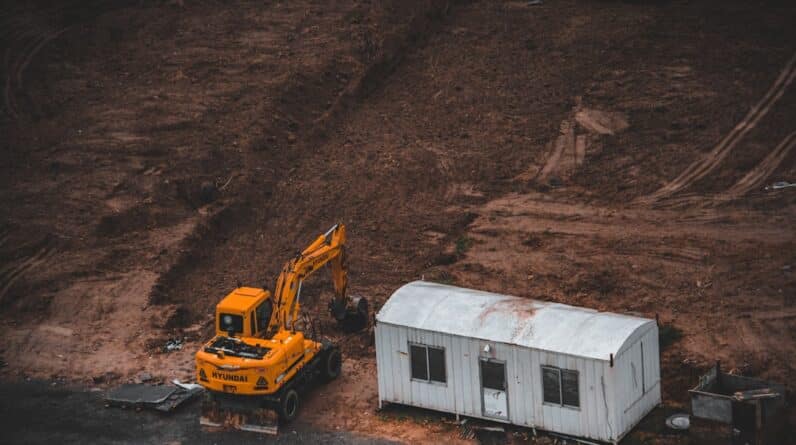
Once the site is cleared, the next step is preparing the ground through excavation and grading. This phase is essential for establishing a solid base for your construction project. You will need to excavate the soil to create a level surface, which is vital for the stability of your structure.
Depending on the design of your building, this may involve digging deep footings or trenches to support the foundation. Grading is equally important as it involves shaping the land to ensure proper drainage. You want to avoid water pooling around your foundation, which can lead to structural issues down the line.
As you grade the land, you will need to consider the natural slope of the terrain and how it will affect water runoff. Proper grading not only protects your building but also enhances the overall landscape of your property. By taking these steps seriously, you set a strong foundation for the entire construction process.
Laying the Foundation: The Key to a Strong Structure

With the ground prepared, you can now focus on laying the foundation, which is arguably one of the most critical aspects of construction. The foundation serves as the backbone of your structure, supporting its weight and ensuring stability. You have several options when it comes to foundation types, including slab, crawl space, and basement foundations.
Each type has its advantages and disadvantages, so it’s essential to choose one that aligns with your building’s design and local soil conditions. As you lay the foundation, precision is key. You must ensure that it is level and properly aligned to prevent future issues such as cracking or settling.
This process often involves pouring concrete and allowing it to cure before proceeding with further construction. During this time, you should also consider waterproofing measures to protect against moisture intrusion. A well-laid foundation not only supports your structure but also contributes to its longevity and durability.
Building Up: The Rise of Walls and the Roof
Once your foundation is securely in place, it’s time to build up by erecting walls and installing the roof. This phase marks a significant transformation in your construction project as it begins to take shape visually. You will typically start with framing the walls using wood or steel studs, depending on your design preferences and budget.
As you construct the walls, you must pay attention to insulation and energy efficiency, ensuring that your building meets modern standards. After the walls are up, you will turn your attention to the roof. The roof not only protects your structure from the elements but also plays a crucial role in its aesthetic appeal.
You have various roofing materials to choose from, including shingles, metal, or tiles, each offering different benefits in terms of durability and style. As you install the roof, ensure that it is properly sealed and ventilated to prevent issues such as leaks or mold growth in the future.
Installing Utilities: Plumbing, Electrical, and HVAC
With the walls and roof in place, you can now focus on installing essential utilities such as plumbing, electrical systems, and HVAC (heating, ventilation, and air conditioning). This phase is critical for ensuring that your building is functional and comfortable for its occupants. You will need to work closely with licensed professionals to ensure that all installations meet local codes and regulations.
When installing plumbing, consider the layout carefully to optimize water flow and accessibility. You will need to plan for fixtures such as sinks, toilets, and showers while ensuring that drainage systems are efficient. Similarly, electrical installations require meticulous planning; you must determine where outlets, switches, and lighting fixtures will be placed for maximum convenience.
Finally, HVAC systems should be designed to provide adequate heating and cooling throughout your space while maintaining energy efficiency.
Adding the Finishing Touches: Flooring, Paint, and Fixtures

As your construction project nears completion, it’s time to focus on adding those finishing touches that will bring your vision to life. Flooring is one of the most significant aspects of interior design; it sets the tone for each room in your building. You have a plethora of options ranging from hardwood and laminate to tile and carpet.
Each material offers unique benefits in terms of aesthetics and maintenance. Once the flooring is installed, you can turn your attention to painting and fixtures. Choosing paint colors can be an exciting yet daunting task; you want colors that reflect your style while also creating a harmonious atmosphere throughout your space.
Fixtures such as lighting, faucets, and cabinet hardware play a crucial role in enhancing both functionality and aesthetics. By carefully selecting these elements, you can create a cohesive look that ties everything together beautifully.
Landscaping and Exterior Finishing
While interior work is essential, don’t overlook the importance of landscaping and exterior finishing in creating an inviting atmosphere around your building. Landscaping involves more than just planting flowers; it encompasses designing outdoor spaces that complement your structure while providing functionality. Consider elements such as pathways, patios, and gardens that enhance both beauty and usability.
Exterior finishing also plays a vital role in protecting your building from weather elements while adding curb appeal. This may involve siding installation or applying protective coatings to ensure longevity. You might also want to consider outdoor lighting options that not only illuminate pathways but also highlight architectural features of your building at night.
By investing time in landscaping and exterior finishing, you create an inviting environment that enhances both aesthetics and functionality.
Completing the Project: Final Inspections and Handover
As you approach the final stages of your construction project, it’s time for final inspections and handover. This phase is crucial for ensuring that everything has been completed according to plan and meets local building codes. You will need to schedule inspections with relevant authorities who will assess various aspects of your project, including structural integrity, safety features, and utility installations.
Once all inspections are passed successfully, you can prepare for handover. This moment marks the culmination of all your hard work and planning; it’s when you officially take possession of your new building. Before handing over keys or documents, ensure that all necessary paperwork is in order, including warranties for materials used and manuals for installed systems.
By completing this final step diligently, you can confidently move into your new space knowing that every detail has been addressed. In conclusion, navigating through each phase of construction requires careful planning and execution. From understanding site clearing to completing final inspections, every step plays a vital role in ensuring a successful project outcome.
By paying attention to detail at each stage, you can create a structure that not only meets your needs but also stands the test of time.
If you are interested in learning more about the journey of building a dream home with a reputable contractor, check out the article <a href='https://betterhomecontractor.net/from-blueprint-to-dream-home-the-journey-with-a-reputable-contractor/’>From Blueprint to Dream Home: The Journey with a Reputable Contractor. This article provides valuable insights into the process of working with a contractor to bring your vision to life. Additionally, if you are located in Washington, District of Columbia or Pharr, Texas, you may want to consider reaching out to Better Home Contractor for your construction needs. Visit Better Home Contractor Washington, District of Columbia or Better Home Contractor Pharr, Texas for more information on their services.
FAQs
What is site clearing and construction?
Site clearing and construction is the process of preparing a piece of land for building by removing any existing structures, vegetation, and debris, and then constructing new buildings or infrastructure.
What is the purpose of site clearing and construction?
The purpose of site clearing and construction is to prepare the land for development, ensuring that it is safe, level, and suitable for building. This process is essential for creating a solid foundation for new structures and infrastructure.
What are the steps involved in site clearing and construction?
The steps involved in site clearing and construction typically include surveying the land, obtaining necessary permits, removing vegetation and debris, grading the land, and then beginning the construction process.
What equipment is used for site clearing and construction?
Equipment commonly used for site clearing and construction includes bulldozers, excavators, dump trucks, and other heavy machinery for clearing and grading the land. Additionally, construction equipment such as cranes, concrete mixers, and scaffolding may be used for building new structures.
What are the environmental considerations in site clearing and construction?
Environmental considerations in site clearing and construction include minimizing the impact on local ecosystems, managing waste and debris responsibly, and adhering to regulations for protecting air and water quality. Sustainable construction practices may also be employed to reduce environmental impact.
What are the safety considerations in site clearing and construction?
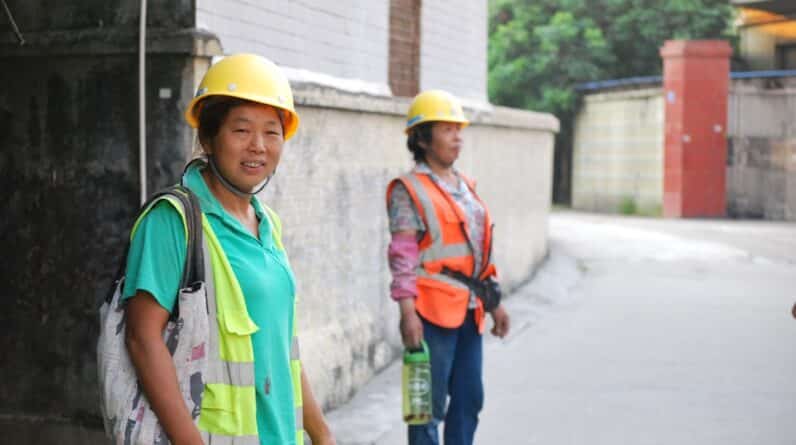
Safety considerations in site clearing and construction include ensuring that workers are properly trained and equipped, implementing safety protocols for heavy machinery operation, and securing the site to prevent accidents or unauthorized access. Compliance with occupational health and safety regulations is essential.