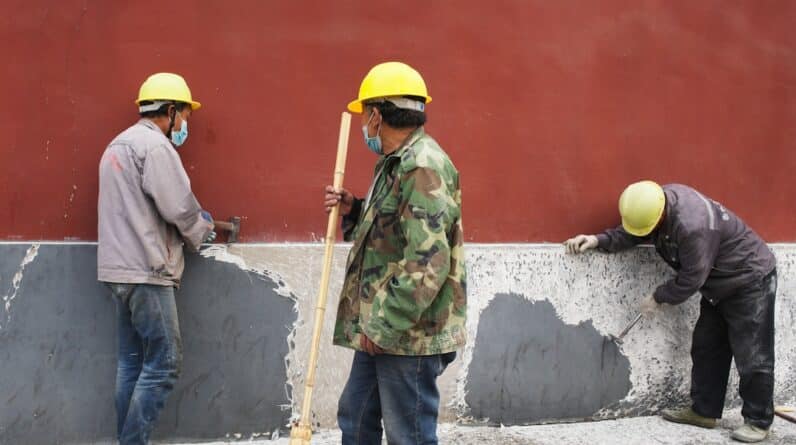
Eco-conscious Clearing: Sustainable Practices in Site Preparation
In an era where environmental concerns are at the forefront of global discussions, sustainable site preparation has emerged as a critical practice in construction and land development. As you embark on any project, understanding the principles of sustainable site preparation is essential. This approach not only addresses the immediate needs of construction but also considers the long-term health of the ecosystem.
By integrating sustainable practices into your site preparation processes, you can contribute to a more balanced relationship between development and nature. Sustainable site preparation involves a series of practices aimed at minimizing environmental impact while maximizing efficiency and effectiveness. It encompasses everything from the initial clearing of land to the grading and preparation for construction.
As you delve deeper into this topic, you will discover that sustainable site preparation is not merely a trend; it is a necessary evolution in how we approach land use and development. By prioritizing eco-conscious methods, you can help ensure that future generations inherit a healthier planet.
Key Takeaways
- Sustainable site preparation involves environmentally friendly practices to minimize impact on the ecosystem
- Eco-conscious clearing is important for preserving natural habitats and biodiversity
- Sustainable practices for clearing and grading include using low-impact equipment and minimizing soil disturbance
- Minimizing environmental impact during site preparation involves erosion control and proper waste management
- Using renewable and recycled materials in site preparation reduces the demand for new resources and minimizes waste production
The Importance of Eco-conscious Clearing
When you think about site preparation, the act of clearing land often comes to mind. However, this process can have significant repercussions on the environment if not approached with care. Eco-conscious clearing is vital because it seeks to minimize disruption to local ecosystems, protect wildlife habitats, and preserve natural resources.
As you consider your next project, reflecting on the importance of eco-conscious clearing can guide your decisions and actions. One of the primary reasons eco-conscious clearing is essential is its role in maintaining biodiversity. Every piece of land is home to various species, each playing a unique role in the ecosystem.
By adopting eco-friendly clearing methods, you can help protect these species and their habitats. This not only benefits the environment but also enhances the overall aesthetic and ecological value of your project. As you engage in site preparation, remember that your choices can either contribute to or detract from the health of local ecosystems.
Sustainable Practices for Clearing and Grading

As you explore sustainable practices for clearing and grading, it becomes clear that there are numerous strategies you can implement to reduce environmental impact. One effective method is selective clearing, which involves removing only the necessary vegetation while preserving as much of the natural landscape as possible. This approach minimizes soil erosion and maintains the integrity of the ecosystem, allowing for a smoother transition into construction.
Another sustainable practice is the use of advanced grading techniques that prioritize soil conservation. Traditional grading methods often lead to significant soil displacement and compaction, which can harm plant life and disrupt water drainage patterns. By utilizing techniques such as contour grading or terracing, you can maintain the natural topography of the land while preparing it for development.
These methods not only protect the environment but also enhance the long-term sustainability of your project.
Minimizing Environmental Impact During Site Preparation
Minimizing environmental impact during site preparation requires a proactive approach and a commitment to responsible practices. One effective strategy is to conduct thorough environmental assessments before beginning any work. By understanding the specific characteristics of the land, including its flora, fauna, and hydrology, you can make informed decisions that align with sustainable practices.
This assessment will help you identify sensitive areas that require special attention or protection during the clearing process. Additionally, implementing erosion control measures is crucial in minimizing environmental impact. Techniques such as silt fencing, sediment basins, and vegetation buffers can help prevent soil erosion and protect water quality during site preparation.
As you plan your project, consider how these measures can be integrated into your overall strategy. By taking these steps, you not only safeguard the environment but also enhance the resilience of your project against potential challenges.
Using Renewable and Recycled Materials in Site Preparation
Incorporating renewable and recycled materials into your site preparation efforts is another way to promote sustainability. As you consider materials for your project, look for options that are sourced from renewable resources or have been recycled from previous projects. For instance, using reclaimed wood for temporary structures or recycled aggregates for base layers can significantly reduce your project’s carbon footprint.
Moreover, utilizing renewable materials extends beyond just construction elements; it also includes landscaping practices. Native plants require less water and maintenance than non-native species, making them an excellent choice for landscaping during site preparation. By selecting materials and plants that are both renewable and locally sourced, you can create a more sustainable environment that thrives long after construction is complete.
Incorporating Green Infrastructure in Site Preparation

What is Green Infrastructure?
Green infrastructure refers to a network of natural and semi-natural systems that provide environmental benefits while supporting urban development. Examples include green roofs, permeable pavements, and rain gardens.
Benefits of Green Infrastructure
By incorporating these elements into your site preparation process, you can enhance stormwater management, improve air quality, and promote biodiversity. Implementing green infrastructure not only benefits the environment but also adds value to your project. Properties designed with green infrastructure often experience increased marketability and higher resale values due to their eco-friendly features.
Designing with Nature in Mind
As you plan your site preparation, think about how these innovative solutions can be woven into your design, creating a harmonious balance between development and nature.
Benefits of Sustainable Site Preparation for Developers and Communities
The benefits of sustainable site preparation extend beyond environmental considerations; they also encompass economic and social advantages for developers and communities alike. For developers like yourself, adopting sustainable practices can lead to cost savings in the long run. By minimizing waste, reducing energy consumption, and utilizing efficient materials, you can lower overall project costs while enhancing profitability.
Communities also stand to gain from sustainable site preparation efforts. Projects that prioritize eco-conscious practices often foster a sense of community pride and engagement. When residents see that developers are committed to protecting their environment and enhancing their quality of life, they are more likely to support new developments.
This positive relationship between developers and communities can lead to smoother project approvals and increased collaboration on future initiatives.
The Future of Eco-conscious Clearing
As you reflect on the future of eco-conscious clearing and sustainable site preparation, it becomes evident that this approach is not just a passing trend; it is an essential component of responsible development in today’s world. The growing awareness of environmental issues has prompted both developers and communities to prioritize sustainability in their projects. By embracing eco-friendly practices now, you are contributing to a legacy of responsible land use that will benefit generations to come.
Looking ahead, the integration of technology will play a significant role in advancing sustainable site preparation practices. Innovations such as drones for surveying land or software for optimizing resource use will enable developers like yourself to make more informed decisions that align with sustainability goals. As you continue on your journey in construction and development, remember that every choice you make has the potential to shape a more sustainable future for our planet.
Embrace this opportunity to lead by example and inspire others in your industry to follow suit.
If you are interested in sustainable practices for home improvement projects, you may also want to check out this article on Better Home Contractor in Fort Myers, Florida. They offer eco-friendly solutions for various home renovation projects, including site preparation. You can read more about their services here.
FAQs
What is eco-conscious clearing?
Eco-conscious clearing refers to the practice of preparing a site for development or construction while minimizing the impact on the environment. This includes using sustainable methods and techniques to protect natural resources and wildlife habitats.
What are some sustainable practices in site preparation?
Sustainable practices in site preparation include using biodegradable or low-impact clearing equipment, minimizing soil disturbance, preserving existing vegetation, and implementing erosion control measures. Additionally, reusing or recycling cleared materials and minimizing the use of chemicals are also important sustainable practices.
Why is eco-conscious clearing important?
Eco-conscious clearing is important because it helps to protect the environment, preserve natural habitats, and maintain biodiversity. By using sustainable practices in site preparation, the impact on ecosystems, water quality, and air quality can be minimized.
What are the benefits of eco-conscious clearing?
The benefits of eco-conscious clearing include reduced environmental impact, preservation of natural resources, improved soil health, and the protection of wildlife habitats. Additionally, sustainable site preparation practices can lead to long-term cost savings and a positive public image for developers and construction companies.