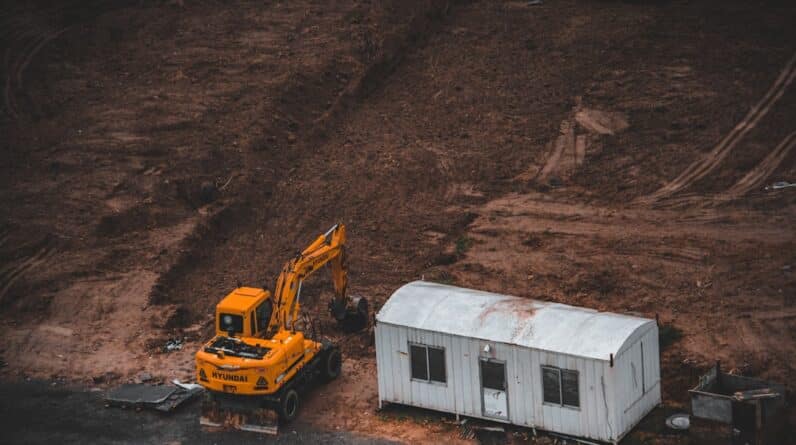
Redefining Landscapes: Site Preparation’s Role in Reshaping Terrain
When embarking on a landscaping project, the significance of site preparation cannot be overstated. You may think of landscaping as merely planting flowers or laying down sod, but the groundwork you lay before these aesthetic elements can make or break the success of your project. Proper site preparation ensures that the landscape you envision will thrive in its environment.
It involves assessing the land, understanding its characteristics, and making necessary adjustments to create a suitable foundation for your plants and structures. Without this crucial step, you risk facing issues such as poor drainage, inadequate soil quality, and even plant failure. Moreover, site preparation is not just about aesthetics; it also plays a vital role in sustainability.
By taking the time to prepare your site correctly, you can minimize environmental impact and promote healthy ecosystems. This process allows you to identify native plants that will flourish in your area, reducing the need for excessive watering and maintenance. In essence, effective site preparation lays the groundwork for a landscape that is not only beautiful but also resilient and environmentally friendly.
Key Takeaways
- Proper site preparation is crucial for successful landscaping projects
- Understanding the terrain through soil analysis and topography is essential for effective site preparation
- Techniques such as grading, excavation, and clearing are important for reshaping the terrain
- Environmental considerations like erosion control and soil stabilization are key for sustainable landscaping
- Utilizing technology like GPS and surveying can ensure precision in site preparation
Understanding the Terrain: Soil Analysis and Topography
To begin your landscaping journey, you must first understand the terrain on which you will be working. Soil analysis is a critical component of this understanding. You should consider conducting tests to determine the soil’s pH, nutrient levels, and texture.
This information will guide you in selecting the right plants for your landscape. For instance, if your soil is sandy and drains quickly, you may want to choose drought-resistant plants that can thrive in such conditions. Conversely, if your soil retains moisture, you might opt for species that prefer wetter environments.
Topography is another essential aspect to consider. The lay of the land can significantly influence water drainage and sunlight exposure. You may find that certain areas of your property receive more sunlight than others or that some spots are prone to flooding after heavy rains.
By mapping out these variations, you can make informed decisions about where to place different elements of your landscape. Understanding both soil and topography will empower you to create a harmonious outdoor space that works with nature rather than against it.
Techniques for Reshaping Terrain: Grading, Excavation, and Clearing

Once you have a solid understanding of your terrain, it’s time to consider the techniques for reshaping it to suit your landscaping needs. Grading is one of the most common methods used to alter the slope of the land. This process involves leveling or sloping the ground to ensure proper drainage and prevent water from pooling in unwanted areas.
You may find that grading is essential for creating a stable foundation for patios, walkways, or even structures like sheds or gazebos. Excavation is another technique that may be necessary, especially if you need to remove large amounts of soil or rock to create a specific feature, such as a pond or a raised garden bed. This process requires careful planning and execution to avoid damaging existing plants or structures.
Clearing is often the first step in any landscaping project, as it involves removing debris, weeds, and unwanted vegetation from the site. By taking these steps to reshape your terrain, you set the stage for a successful landscaping project that meets both functional and aesthetic goals.
Environmental Considerations: Erosion Control and Soil Stabilization
As you prepare your site for landscaping, it’s crucial to consider environmental factors such as erosion control and soil stabilization. Erosion can be a significant issue, especially on sloped terrains where water runoff can wash away topsoil and nutrients essential for plant growth. You should explore various erosion control methods, such as planting ground cover plants or installing retaining walls to hold soil in place.
These strategies not only protect your landscape but also contribute to the overall health of the ecosystem. Soil stabilization is equally important in ensuring that your landscape remains intact over time. Techniques such as using geotextiles or planting deep-rooted vegetation can help bind the soil together and prevent it from eroding away.
Additionally, incorporating organic matter into your soil can improve its structure and enhance its ability to retain moisture and nutrients. By prioritizing these environmental considerations during site preparation, you contribute to a sustainable landscape that thrives in harmony with nature.
Utilizing Technology: GPS and Surveying for Precision Site Preparation
In today’s digital age, technology plays an increasingly vital role in site preparation for landscaping projects. Utilizing GPS technology and advanced surveying techniques allows you to achieve precision in your work that was previously unattainable. With GPS-guided equipment, you can accurately map out your site and determine the best approach for grading and excavation.
This level of precision minimizes waste and ensures that every inch of your landscape is utilized effectively. Surveying tools can also help you assess elevation changes and identify potential drainage issues before they become problematic. By integrating technology into your site preparation process, you can streamline operations and enhance overall efficiency.
This not only saves time but also reduces costs associated with rework or corrections later in the project. Embracing these technological advancements empowers you to create landscapes that are not only visually appealing but also functionally sound.
The Role of Site Preparation in Urban Landscaping and Development

Urban landscaping presents unique challenges that make effective site preparation even more critical. In densely populated areas, space is often limited, requiring innovative solutions to maximize functionality while maintaining aesthetic appeal. You may find that urban landscapes must accommodate various elements such as walkways, seating areas, and green spaces within a confined area.
Proper site preparation allows you to navigate these challenges by creating a cohesive design that integrates all necessary components seamlessly. Additionally, urban environments often face issues related to soil compaction and pollution, which can hinder plant growth. By conducting thorough soil analysis and implementing appropriate remediation techniques during site preparation, you can create healthier growing conditions for urban flora.
This not only enhances the beauty of urban landscapes but also contributes positively to air quality and biodiversity within city limits.
Collaborating with Landscape Architects and Designers for Effective Site Preparation
Collaboration is key when it comes to effective site preparation for landscaping projects. Working alongside landscape architects and designers can provide valuable insights into best practices and innovative techniques tailored to your specific site conditions. These professionals bring expertise in design principles and environmental considerations that can elevate your project from ordinary to extraordinary.
By engaging with these experts early in the planning process, you can ensure that all aspects of site preparation align with your overall vision for the landscape. They can help you navigate complex zoning regulations or environmental guidelines that may impact your project. This collaborative approach fosters creativity while ensuring that every detail is meticulously planned and executed.
Case Studies: Successful Site Preparation Projects and Their Impact on Landscapes
Examining successful case studies can provide inspiration and practical insights into effective site preparation strategies. For instance, consider a community park revitalization project where thorough site analysis revealed poor drainage issues that had plagued the area for years. By implementing strategic grading techniques and installing rain gardens, the project team transformed the park into a vibrant green space that not only enhanced aesthetics but also improved water management.
Another example could be an urban rooftop garden project where collaboration between landscape architects and engineers led to innovative solutions for limited space. Through careful planning and precise excavation techniques, they created a lush garden oasis atop a high-rise building, providing residents with a much-needed escape from city life while promoting biodiversity in an otherwise concrete environment. These case studies illustrate how effective site preparation can lead to transformative outcomes in landscaping projects.
By learning from these examples, you can apply similar principles to your own endeavors, ensuring that your landscapes are not only beautiful but also functional and sustainable. In conclusion, site preparation is an essential step in any landscaping project that should never be overlooked. By understanding the terrain through soil analysis and topography assessment, employing techniques like grading and excavation, considering environmental factors such as erosion control, utilizing technology for precision, collaborating with professionals, and learning from successful case studies, you can create landscapes that thrive in harmony with their surroundings while meeting both aesthetic and functional needs.
If you are interested in learning more about site preparation and landscaping, you may want to check out this article on Better Home Contractor in Pittsburg, California. This article discusses the importance of proper site preparation in reshaping terrain and creating beautiful landscapes. It provides valuable insights and tips for homeowners looking to improve their outdoor spaces.
FAQs
What is site preparation?
Site preparation is the process of clearing, grading, and leveling land in preparation for construction or landscaping. It involves removing vegetation, rocks, and debris, as well as shaping the terrain to meet the requirements of the project.
What are the key steps involved in site preparation?
The key steps in site preparation include surveying the land, clearing vegetation and debris, grading the land to ensure proper drainage, and compacting the soil to provide a stable foundation for construction or landscaping.
Why is site preparation important?
Site preparation is important because it ensures that the land is ready for construction or landscaping. Proper site preparation can prevent erosion, drainage issues, and other problems that can arise from uneven or unstable terrain.
What equipment is used for site preparation?
Equipment commonly used for site preparation includes bulldozers, excavators, graders, and compactors. These machines are used to clear land, shape the terrain, and compact the soil to prepare it for construction or landscaping.
What are the environmental considerations in site preparation?
Environmental considerations in site preparation include minimizing disturbance to natural habitats, controlling erosion and sedimentation, and managing stormwater runoff. Proper erosion control measures and sedimentation controls are important to protect the surrounding environment during site preparation.
How does site preparation impact the final landscape?
Site preparation plays a crucial role in shaping the final landscape by creating a stable and level foundation for construction or landscaping. Proper site preparation can also ensure proper drainage and prevent erosion, ultimately contributing to the long-term stability and aesthetics of the landscape.