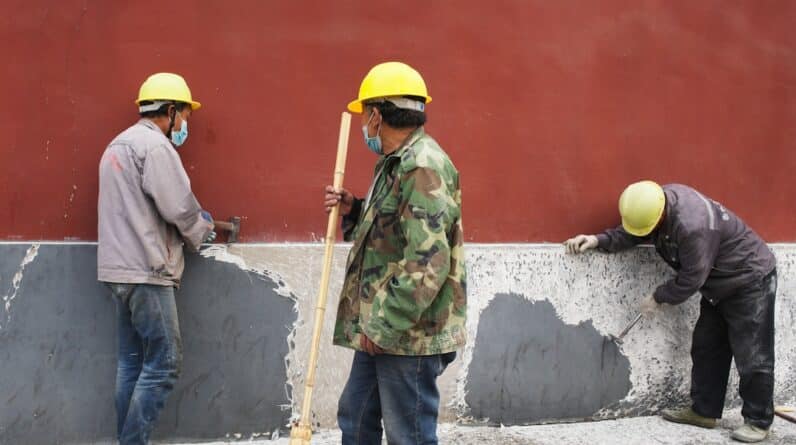
Unveiling the Earth: The Drama and Beauty of Site Clearing
When embarking on any construction project, the first step you must consider is site clearing. This process is crucial as it prepares the land for development, ensuring that the area is safe and suitable for building. By removing obstacles such as trees, shrubs, and debris, you create a blank canvas that allows for efficient planning and execution of your construction plans.
Without proper site clearing, you risk encountering unforeseen challenges that could delay your project and inflate costs. Therefore, understanding the significance of this initial phase is essential for anyone involved in construction or land development. Moreover, site clearing is not just about making space; it also involves assessing the land’s topography and soil conditions.
This assessment can reveal vital information about drainage patterns, potential hazards, and the overall suitability of the site for your intended purpose. By taking the time to clear and evaluate the site thoroughly, you can make informed decisions that will ultimately lead to a more successful project. In essence, site clearing lays the groundwork for everything that follows, making it a fundamental aspect of any construction endeavor.
Key Takeaways
- Site clearing is crucial for preparing the land for construction and development projects.
- Site clearing can have a significant impact on the environment, including soil erosion and habitat destruction.
- The process of site clearing involves the removal of trees, vegetation, and debris to create a clean and level surface.
- Site clearing plays a vital role in construction by providing a safe and accessible area for building and infrastructure.
- Equipment and techniques such as bulldozers, excavators, and mulching are commonly used in site clearing to efficiently remove vegetation and debris.
The Environmental Impact of Site Clearing
Soil Erosion and Habitat Disruption
The removal of vegetation can lead to soil erosion, loss of habitat for local wildlife, and disruption of natural ecosystems. When trees and plants are cleared away, the soil becomes more susceptible to erosion from wind and rain, which can lead to sediment runoff into nearby water bodies. This not only affects water quality but can also harm aquatic life.
Climate Change and Carbon Sequestration
The loss of vegetation can contribute to climate change by reducing the amount of carbon dioxide that is absorbed from the atmosphere. Trees play a vital role in sequestering carbon, and their removal can exacerbate greenhouse gas emissions.
Responsible Development Practices
Therefore, understanding these environmental impacts is crucial for anyone involved in land development. As you engage in site clearing, it’s essential to weigh these environmental costs against the benefits of development. By doing so, you can make more responsible choices that minimize harm to the environment while still achieving your construction goals.
The Process of Site Clearing

The process of site clearing typically begins with a thorough assessment of the land. You need to evaluate the existing vegetation, topography, and any structures that may need to be removed. This initial survey is critical as it informs your approach to clearing the site effectively and safely.
Once you have a clear understanding of what needs to be done, you can develop a plan that outlines the necessary steps and equipment required for the job. After planning, the actual clearing process begins. This often involves using heavy machinery such as bulldozers and excavators to remove large trees and debris.
You may also need to employ chainsaws for smaller trees and brush. It’s important to follow safety protocols during this phase to protect both workers and the surrounding environment. Once the area is cleared, you should conduct a final inspection to ensure that all unwanted materials have been removed and that the site is ready for the next phase of construction.
The Role of Site Clearing in Construction
Site clearing plays a pivotal role in the overall construction process. It serves as the foundation upon which all subsequent activities are built. Without a properly cleared site, you may encounter numerous obstacles that could hinder progress, such as uneven terrain or hidden debris that could damage equipment or delay work.
By investing time and resources into effective site clearing, you set yourself up for a smoother construction experience. Furthermore, site clearing allows for better planning and design of your project. With a clean slate, architects and engineers can visualize how best to utilize the space available.
This clarity can lead to more innovative designs and efficient use of resources. In essence, site clearing is not merely a preliminary step; it is an integral part of the construction process that influences every aspect of your project.
Site Clearing Equipment and Techniques
When it comes to site clearing, having the right equipment is essential for efficiency and safety. Heavy machinery such as bulldozers, excavators, and skid steers are commonly used to clear large areas quickly. These machines can handle everything from uprooting trees to leveling uneven ground.
Additionally, smaller tools like chainsaws and brush cutters are invaluable for tackling more delicate tasks or areas where heavy machinery cannot access. In addition to equipment, various techniques can enhance the effectiveness of site clearing. For instance, selective clearing allows you to remove only specific trees or vegetation while preserving others that may be beneficial for erosion control or aesthetic purposes.
Another technique is mulching, which involves grinding up vegetation on-site to create mulch that can be used for landscaping or erosion control later on.
By employing a combination of the right tools and techniques, you can ensure that your site clearing efforts are both effective and environmentally responsible.
Challenges and Considerations in Site Clearing

While site clearing is essential for construction projects, it does come with its own set of challenges. One significant issue is dealing with unexpected underground utilities or hazardous materials that may be present on-site. Before beginning any clearing work, it’s crucial to conduct thorough surveys to identify these potential obstacles.
Failing to do so could lead to costly delays or safety hazards during the clearing process. Another consideration is the regulatory landscape surrounding site clearing. Many areas have strict environmental regulations that dictate how land can be cleared and what measures must be taken to protect local ecosystems.
As you navigate these regulations, it’s important to stay informed about local laws and best practices to avoid fines or project delays.
By being proactive in addressing these challenges, you can ensure a smoother site clearing process.
The Beauty of Unveiling the Earth
As you engage in site clearing, there’s a certain beauty in unveiling the earth beneath layers of vegetation and debris. This process reveals the natural contours of the land and allows you to appreciate its unique features. Each cleared area tells a story about its history and potential future use.
As you stand on freshly cleared ground, you may find inspiration in the possibilities that lie ahead. Moreover, this unveiling can foster a deeper connection with nature. By observing how different elements interact within the ecosystem—such as soil types, water drainage patterns, and existing wildlife—you gain valuable insights into how best to approach your construction project while respecting the environment.
This appreciation for the land can guide your decisions throughout the development process, leading to more thoughtful and sustainable outcomes.
Sustainable Practices in Site Clearing
In today’s world, sustainability is more important than ever, especially in construction practices like site clearing. You have an opportunity to implement eco-friendly methods that minimize environmental impact while still achieving your project goals. For instance, consider using selective clearing techniques that allow you to preserve valuable trees or vegetation that contribute positively to the ecosystem.
Additionally, incorporating erosion control measures during site clearing can help protect soil integrity and prevent sediment runoff into nearby waterways. Techniques such as silt fencing or planting cover crops can mitigate erosion risks while promoting soil health. By adopting these sustainable practices in your site clearing efforts, you not only contribute positively to the environment but also enhance the long-term viability of your construction project.
In conclusion, site clearing is a multifaceted process that plays a critical role in construction projects while also posing environmental challenges and opportunities for sustainable practices. By understanding its importance and implications, you can approach this initial phase with greater awareness and responsibility, ultimately leading to more successful outcomes in your development endeavors.
If you enjoyed reading about the drama and beauty of site clearing in “Unveiling the Earth,” you may also be interested in exploring traditional building methods and materials. This article from Better Home Contractor delves into the importance of using traditional techniques and materials in construction projects. To learn more, check out Exploring Traditional Building Methods and Materials.
FAQs
What is site clearing?
Site clearing is the process of removing trees, vegetation, rocks, and other obstacles from a piece of land in preparation for construction or development.
Why is site clearing necessary?
Site clearing is necessary to create a level and safe area for construction, to remove potential hazards, and to make way for infrastructure and landscaping.
What are the methods used for site clearing?
The methods used for site clearing include manual clearing with hand tools, mechanical clearing with heavy machinery such as bulldozers and excavators, and chemical clearing using herbicides.
What are the environmental considerations for site clearing?
Environmental considerations for site clearing include the impact on wildlife and habitats, erosion control, and the preservation of valuable trees and vegetation.
What are the potential challenges of site clearing?
Potential challenges of site clearing include the disposal of cleared materials, adherence to local regulations and permits, and minimizing the impact on surrounding areas.
What are the benefits of professional site clearing services?
Professional site clearing services can ensure efficient and safe clearing, proper disposal of materials, compliance with regulations, and minimal impact on the environment.