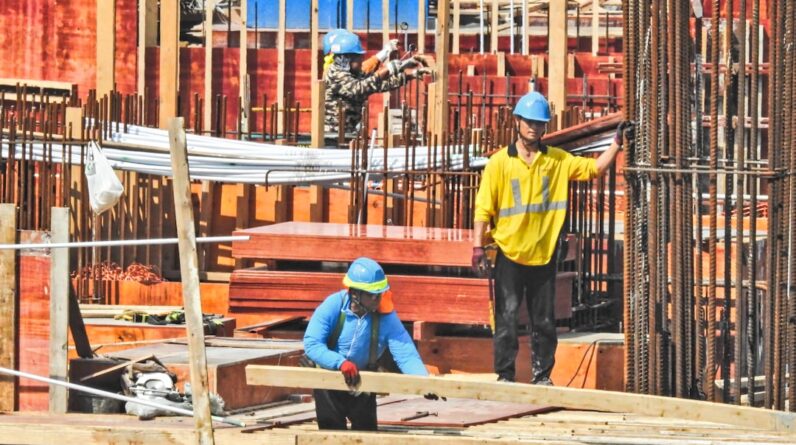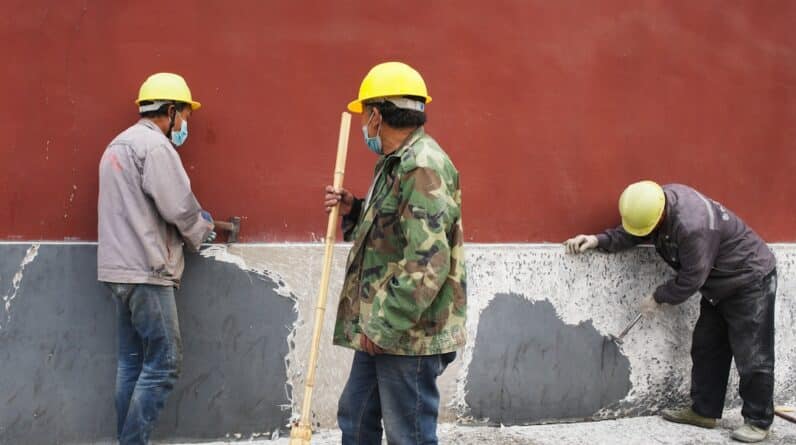
Post-construction cleaning is an essential phase that follows any building or renovation project. You may think of it as merely a final touch, but it plays a crucial role in ensuring that the space is not only visually appealing but also safe and functional. After the dust settles and the last nail is hammered, the remnants of construction can leave a space looking chaotic and uninviting.
This is where post-construction cleaning comes into play, transforming a raw, unfinished area into a polished environment ready for occupancy. Moreover, the importance of post-construction cleaning extends beyond aesthetics. It is vital for the health and safety of anyone who will occupy the space.
Construction sites often harbor hazardous materials, including dust, debris, and even chemical residues from paints and adhesives. By investing time and resources into thorough cleaning, you are not only enhancing the visual appeal of the area but also safeguarding the well-being of future occupants. A clean environment promotes productivity and comfort, making it an indispensable step in any construction or renovation project.
Key Takeaways
- Post-construction cleaning is crucial for creating a safe and healthy environment for occupants and visitors.
- Safety considerations during post-construction cleaning include proper handling of hazardous materials and adherence to OSHA regulations.
- Dust and debris removal is essential to prevent respiratory issues and maintain a clean and professional appearance.
- Surface cleaning and sanitization help eliminate germs and bacteria, promoting a hygienic space for everyone.
- Floor care is important for maintaining the appearance and safety of the space, including proper cleaning and maintenance of different flooring materials.
Safety Considerations
When embarking on post-construction cleaning, safety should be your top priority. The remnants of construction can pose various hazards, from sharp objects to toxic substances. Before you begin the cleaning process, it’s crucial to equip yourself with the right personal protective equipment (PPE).
This includes gloves, masks, goggles, and sturdy footwear to protect yourself from potential injuries. By taking these precautions, you can ensure that your cleaning efforts do not lead to accidents or health issues. In addition to personal safety, you should also consider the safety of others who may enter the space during or after the cleaning process.
It’s wise to cordon off areas that are still being cleaned or that contain hazardous materials. Clear signage can help inform others about potential dangers and keep them at a safe distance. By being proactive about safety, you not only protect yourself but also create a secure environment for everyone involved.
Dust and Debris Removal
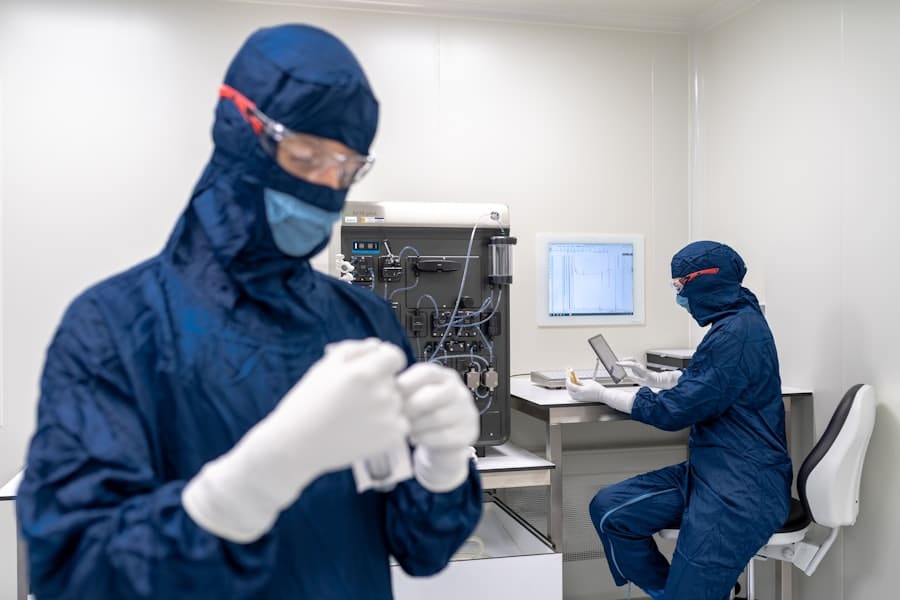
One of the most significant challenges in post-construction cleaning is the removal of dust and debris. Construction activities generate an astonishing amount of waste, from wood shavings to drywall dust. As you begin this phase of cleaning, it’s essential to have a systematic approach.
Start by removing larger debris first; this will make it easier to tackle finer dust particles later on. You might find it helpful to use heavy-duty trash bags or bins to collect and dispose of waste efficiently. Once you’ve cleared away the larger items, it’s time to focus on dust removal.
Dust can settle on every surface, including walls, ceilings, and fixtures. A vacuum cleaner equipped with a HEPA filter can be particularly effective in capturing fine particles that regular vacuums might miss. Additionally, using microfiber cloths can help trap dust rather than just moving it around.
By employing these techniques, you can ensure that your space is free from dust and debris, creating a clean slate for further cleaning tasks.
Surface Cleaning and Sanitization
After addressing dust and debris, the next step in your post-construction cleaning journey is surface cleaning and sanitization. This phase is crucial for ensuring that all surfaces are not only clean but also hygienic. You’ll want to pay special attention to high-touch areas such as doorknobs, light switches, and countertops.
Using appropriate cleaning solutions that are effective against bacteria and viruses will help create a safe environment for future occupants. In addition to sanitizing high-touch areas, don’t overlook other surfaces like windowsills, baseboards, and cabinetry. These areas can accumulate dust and grime during construction, so a thorough wipe-down is necessary.
Depending on the materials used in your space, you may need different cleaning agents—wood surfaces may require a gentle cleaner, while glass surfaces might benefit from a streak-free solution. By taking the time to clean and sanitize all surfaces meticulously, you contribute to a healthier living or working environment.
Floor Care
Floor care is another critical aspect of post-construction cleaning that deserves your attention. Different types of flooring require specific cleaning methods to ensure they remain in good condition after construction activities. For instance, hardwood floors may need special cleaners that won’t damage their finish, while tile floors might require scrubbing to remove grout residue left behind from installation.
As you clean the floors, be mindful of any stains or marks that may have occurred during construction. Spot cleaning can be effective for minor blemishes, but for more extensive issues, you might need to consider professional floor care services. Additionally, once the floors are clean, applying a protective sealant can help maintain their appearance and durability over time.
By prioritizing floor care in your post-construction cleaning efforts, you enhance both the aesthetic appeal and longevity of your flooring.
Air Quality Improvement
Airborne Pollutants from Construction
Construction activities can release various pollutants into the air, including dust particles and volatile organic compounds (VOCs) from paints and adhesives.
Combatting Air Pollution with Air Purifiers
To combat this issue, consider using air purifiers equipped with HEPA filters during the cleaning process. These devices can help capture airborne particles and improve overall air quality.
Proper Ventilation for a Healthier Environment
In addition to using air purifiers, proper ventilation is essential for reducing indoor air pollution. Open windows and doors whenever possible to allow fresh air to circulate through the space. If weather conditions don’t permit this, running exhaust fans can also help remove stale air and bring in fresh air from outside. By taking these steps to improve air quality during post-construction cleaning, you create a healthier environment for everyone who will occupy the space.
Inspection and Touch-Up
Once you’ve completed the major cleaning tasks, it’s time for inspection and touch-up work. This phase allows you to identify any areas that may have been overlooked or require additional attention. Walk through the space methodically, checking for dust accumulation in corners or smudges on surfaces that may have been missed during initial cleaning efforts.
During this inspection phase, it’s also wise to check for any damage that may have occurred during construction—this could include scratches on walls or floors or even issues with fixtures that need repair. Addressing these concerns promptly will ensure that your space is not only clean but also in excellent condition for its intended use. By taking the time for thorough inspection and touch-up work, you demonstrate a commitment to quality that will be appreciated by future occupants.
Maintenance Tips for Clean Spaces
After completing post-construction cleaning, maintaining a clean space becomes your next priority. Regular maintenance is key to preserving the cleanliness achieved during the initial cleaning phase. Establishing a routine cleaning schedule can help keep dust and debris at bay while ensuring that surfaces remain sanitized.
In addition to routine cleaning, consider implementing some simple habits that can contribute to long-term cleanliness. For example, placing mats at entryways can help reduce dirt tracked into the space. Encouraging occupants to adopt a no-shoes policy indoors can also minimize dust accumulation on floors.
By fostering a culture of cleanliness and implementing these maintenance tips, you can ensure that your space remains inviting and healthy for years to come. In conclusion, post-construction cleaning is an integral part of any building project that should not be overlooked. From ensuring safety to improving air quality and maintaining cleanliness over time, each step plays a vital role in creating a welcoming environment for future occupants.
By following these guidelines and prioritizing thorough cleaning practices, you set the stage for a successful transition from construction site to livable space.
If you’re looking for more tips on home improvement and maintenance, check out Home Repair Warriors: Troubleshooting and Solving Common Issues Like a Pro. This article provides valuable insights on how to address common household problems and keep your space in top condition. Whether you’re dealing with plumbing issues, electrical problems, or general wear and tear, this guide will help you tackle any maintenance task like a pro.
FAQs
What is post-construction cleaning?
Post-construction cleaning refers to the process of thoroughly cleaning and removing debris, dust, and other construction-related materials from a newly constructed or renovated space. This type of cleaning is essential to ensure that the area is safe, healthy, and ready for occupancy.
What does post-construction cleaning typically involve?
Post-construction cleaning typically involves removing construction debris, dusting and wiping down all surfaces, cleaning windows, vacuuming and mopping floors, and ensuring that the space is free of any hazardous materials or leftover construction supplies.
Why is post-construction cleaning important?
Post-construction cleaning is important for several reasons. It helps to ensure the safety and health of occupants by removing any potentially harmful materials or debris. It also improves the overall appearance of the space and allows for a fresh start in the newly constructed or renovated area.
Who is responsible for post-construction cleaning?
The responsibility for post-construction cleaning can vary depending on the terms of the construction contract. In some cases, the general contractor may be responsible for arranging and overseeing the post-construction cleaning. In other cases, the property owner or developer may be responsible for hiring a professional cleaning service to handle the post-construction cleaning.
What are the benefits of hiring a professional cleaning service for post-construction cleaning?
Hiring a professional cleaning service for post-construction cleaning can ensure that the job is done thoroughly and efficiently. Professional cleaners have the experience, tools, and expertise to handle the unique challenges of post-construction cleaning, and can help to ensure that the space is truly ready for occupancy.