
Builder’s dust is an inevitable byproduct of construction and renovation projects. As you embark on any building endeavor, whether it’s a minor home improvement or a major renovation, you will encounter this fine particulate matter. It primarily originates from the materials used in construction, such as drywall, wood, concrete, and masonry.
When these materials are cut, sanded, or disturbed, they release tiny particles into the air, which can settle on surfaces throughout your home. Understanding these sources is crucial for effective dust management. In addition to the materials themselves, the tools and methods employed during construction can also contribute to the generation of dust.
For instance, power tools like saws and sanders can create significant amounts of dust when they come into contact with various building materials. Even simple activities like drilling holes or removing old flooring can kick up dust that lingers in the air long after the work is done. By recognizing these sources, you can better prepare for the dust that will inevitably accumulate in your space.
Key Takeaways
- Builder’s dust can come from activities such as sanding, drilling, and cutting during construction or renovation projects.
- Preparing the space for dust removal involves removing furniture and covering surfaces with plastic sheeting to contain the dust.
- Effective dust control measures include using dust barriers, HEPA filters, and wet cleaning methods to minimize dust spread.
- When cleaning surfaces and furniture, use microfiber cloths and vacuum cleaners with HEPA filters to capture and remove dust particles.
- To remove dust from carpets and upholstery, use a vacuum cleaner with a beater bar and consider steam cleaning for deeper removal.
- Air purifiers and proper ventilation can help to reduce airborne dust particles and improve indoor air quality.
- Protect yourself during the cleaning process by wearing a dust mask, gloves, and eye protection to avoid inhaling or coming into contact with dust.
- Maintaining a dust-free environment involves regular cleaning, using doormats, and minimizing clutter to prevent dust buildup.
Preparing the space for dust removal
Before you dive into cleaning up builder’s dust, it’s essential to prepare your space adequately. Start by clearing the area of any furniture or items that could obstruct your cleaning efforts. This not only makes the cleaning process more efficient but also protects your belongings from potential damage caused by dust accumulation.
If moving larger items is not feasible, consider covering them with plastic sheeting or old blankets to shield them from dust particles. Next, seal off the area where construction has taken place. Use plastic sheeting to cover doorways and vents to prevent dust from spreading to other parts of your home.
This step is particularly important if you live in a multi-story building or have an open floor plan. By containing the dust within a specific area, you can focus your cleaning efforts and minimize the impact on other rooms. Additionally, ensure that windows are closed to prevent outdoor dust from mixing with the builder’s dust inside.
Using effective dust control measures
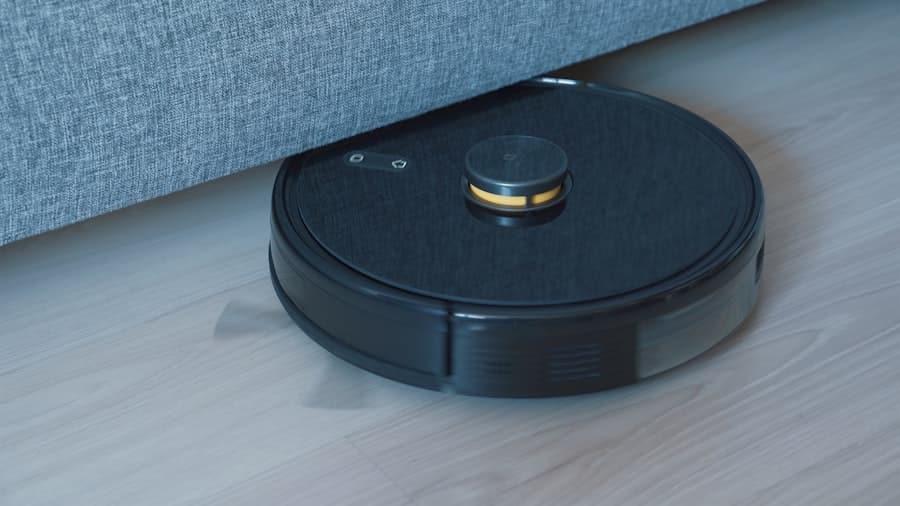
Implementing effective dust control measures during and after construction is vital for maintaining a clean environment. One of the most effective strategies is to use a vacuum equipped with a HEPA filter. Unlike standard vacuums, HEPA filters can trap even the smallest particles, ensuring that dust does not become airborne again after you’ve cleaned it up.
As you clean, make sure to vacuum surfaces thoroughly, including floors, walls, and any nooks and crannies where dust may have settled. Another useful measure is to dampen surfaces before cleaning. Lightly misting surfaces with water can help prevent dust from becoming airborne as you wipe or vacuum.
This technique is particularly effective on hard surfaces like countertops and floors. However, be cautious not to over-saturate surfaces, as excessive moisture can lead to other issues such as mold growth. By combining these methods, you can significantly reduce the amount of dust in your environment and create a healthier living space.
Cleaning surfaces and furniture
Once you have prepared your space and implemented dust control measures, it’s time to focus on cleaning surfaces and furniture. Start with flat surfaces such as countertops, shelves, and tables. Use a microfiber cloth or a damp sponge to wipe down these areas effectively.
Microfiber cloths are particularly advantageous because they can trap dust particles rather than just moving them around, ensuring a more thorough clean. Don’t forget about furniture! Upholstered items can harbor dust particles that may not be visible at first glance.
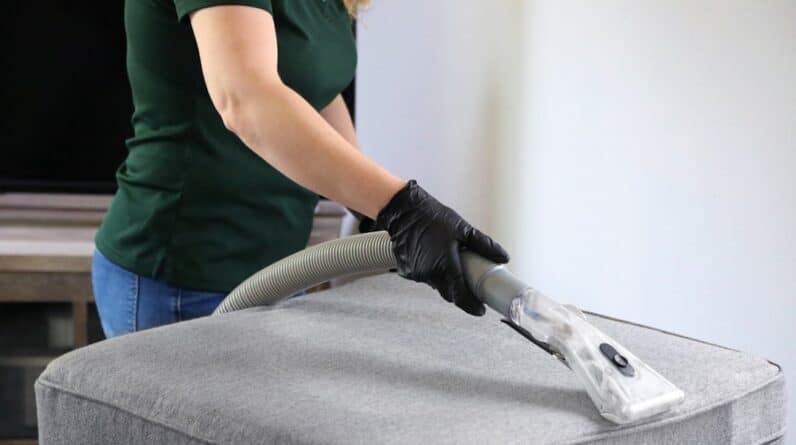
For fabric-covered furniture, consider using a vacuum with an upholstery attachment to remove any accumulated dust. If your furniture has removable covers, washing them according to the manufacturer’s instructions can help eliminate any lingering dust and allergens. For wooden furniture, a gentle cleaner can be used to wipe down surfaces while also providing a protective layer against future dust accumulation.
Removing dust from carpets and upholstery
Carpets and upholstery are notorious for trapping dust and allergens, making them essential areas to address during your cleaning process. Begin by vacuuming carpets thoroughly using a vacuum cleaner with a HEPA filter. Pay special attention to corners and edges where dust tends to accumulate.
If possible, use a vacuum with a rotating brush feature to lift embedded dirt and debris from carpet fibers effectively. For upholstery, start by vacuuming the surface before using any cleaning solutions. If your upholstery is particularly dirty or stained, consider using a steam cleaner or hiring a professional cleaning service for deep cleaning.
Steam cleaning not only removes dirt but also sanitizes the fabric by killing bacteria and allergens trapped within. Regular maintenance of carpets and upholstery will help keep them looking fresh while minimizing dust buildup over time.
Utilizing air purifiers and ventilation
In addition to physical cleaning methods, utilizing air purifiers can significantly improve indoor air quality during and after construction projects. Air purifiers equipped with HEPA filters can capture fine particles that may remain suspended in the air long after visible dust has settled. Placing these devices strategically throughout your home can help ensure that you breathe cleaner air while working on your cleaning efforts.
Ventilation is another critical aspect of maintaining a dust-free environment. Open windows when weather permits to allow fresh air to circulate through your home. This natural airflow helps dilute indoor pollutants and reduces the concentration of airborne dust particles.
However, be mindful of outdoor conditions; if there’s high pollen or pollution outside, it may be better to keep windows closed and rely on air purifiers instead.
Protecting yourself during the cleaning process
As you tackle builder’s dust removal, it’s essential to protect yourself from potential health risks associated with inhaling fine particles. Wearing a mask designed for dust protection is highly recommended; N95 respirators are particularly effective at filtering out small particles from the air you breathe. This precaution is especially important if you have pre-existing respiratory conditions or allergies.
In addition to masks, consider wearing protective eyewear to shield your eyes from irritants that may become airborne during cleaning. Long sleeves and gloves can also provide an extra layer of protection against skin irritation caused by contact with dust or cleaning products. By taking these precautions, you can ensure that your cleaning efforts do not compromise your health.
Maintaining a dust-free environment
Once you have successfully removed builder’s dust from your space, maintaining a clean environment becomes paramount. Regular cleaning routines will help prevent dust from accumulating again in the future. Establish a weekly cleaning schedule that includes vacuuming floors and upholstery, wiping down surfaces, and changing air filters in your HVAC system regularly.
In addition to routine cleaning, consider implementing habits that minimize dust generation in your home. For example, removing shoes before entering living spaces can significantly reduce the amount of dirt and debris tracked indoors. Investing in doormats at entryways can also help capture dirt before it spreads throughout your home.
By adopting these practices, you can create a healthier living environment that remains free from excessive dust accumulation over time. In conclusion, managing builder’s dust requires a comprehensive approach that includes understanding its sources, preparing your space effectively, employing efficient cleaning methods, and maintaining ongoing cleanliness practices. By following these guidelines, you can ensure that your home remains a safe and comfortable haven free from the adverse effects of construction-related dust.
If you are looking for professional help to get rid of builders dust, you may want to consider hiring a Better Home Contractor. They offer services in various locations, including Miramar, Florida, Harlingen, Texas, and Yorba Linda, California. Their team of experts can efficiently clean up the dust and leave your home looking spotless. Check out their website for more information on their services.
FAQs
What is builders dust?
Builders dust is the fine particles of debris and dirt that are created during construction or renovation projects. It can include materials such as drywall dust, sawdust, and other construction-related particles.
How does builders dust affect indoor air quality?
Builders dust can negatively impact indoor air quality by causing respiratory issues, aggravating allergies, and creating a generally unhealthy living environment. It can also settle on surfaces and furniture, making it difficult to keep a clean and tidy home.
How can you get rid of builders dust?
To get rid of builders dust, it is important to use proper cleaning techniques such as vacuuming with a HEPA filter, wiping down surfaces with a damp cloth, and using air purifiers to help remove airborne particles. It is also important to seal off construction areas and use dust barriers during the project to minimize the spread of dust.
What are some tips for preventing builders dust?
To prevent builders dust, it is important to use dust control measures such as sealing off construction areas, using dust barriers, and regularly cleaning and maintaining construction equipment. It is also important to properly dispose of construction waste to prevent the spread of dust.


