
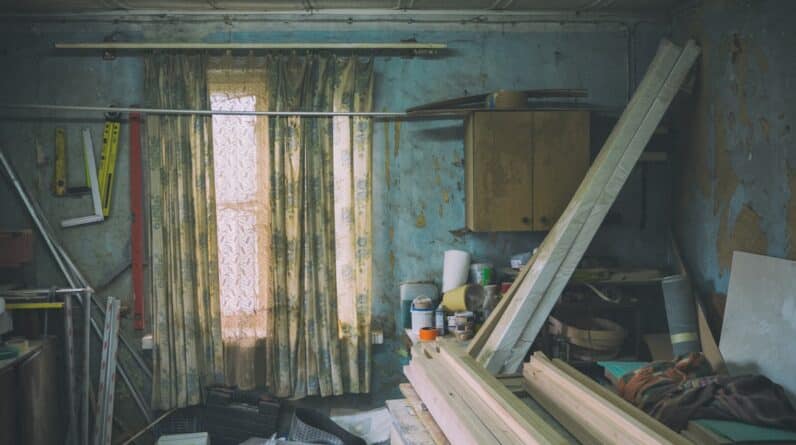
Dust is an omnipresent element in our lives, often overlooked yet profoundly impactful. It is composed of tiny particles that can originate from various sources, including soil, pollen, human skin, and even the fibers from clothing and furniture. When you consider the sheer volume of dust that can accumulate in your home, it becomes clear that understanding its nature is essential.
Dust is not just a nuisance; it can carry allergens and pollutants that may affect your indoor air quality. By grasping what dust is and where it comes from, you can take proactive steps to manage it effectively. The composition of dust varies significantly depending on your environment.
In urban areas, dust may contain more pollutants from vehicle emissions and industrial activities, while rural settings might have higher concentrations of soil and plant matter. You might find it interesting to note that dust can also include microscopic organisms like dust mites, which thrive in warm, humid conditions. Understanding these components can help you identify potential sources of dust in your home and take appropriate measures to minimize their impact.
Key Takeaways
- Dust is a common byproduct of renovation and construction activities, consisting of tiny particles that can linger in the air for extended periods of time.
- Factors affecting the settling time of dust include the size of the particles, the airflow in the area, and the type of surface it lands on.
- Health concerns related to dust exposure include respiratory issues, allergies, and skin irritation, making it important to take precautions during and after renovation projects.
- Cleaning up after renovation involves using proper cleaning techniques, such as vacuuming with HEPA filters and wiping surfaces with damp cloths, to effectively remove dust particles.
- Prevention methods for minimizing dust during renovation include sealing off work areas, using dust barriers, and employing dust control measures such as wetting surfaces.
Factors Affecting the Settling Time
The settling time of dust is influenced by several factors, including particle size, air circulation, and humidity levels. Smaller particles tend to remain suspended in the air longer than larger ones, which settle more quickly due to gravity. When you consider how often you stir up dust through daily activities—like walking or cleaning—you can appreciate how these factors play a role in how quickly dust settles back down.
In a well-ventilated room, for instance, air currents can keep dust particles airborne for extended periods, making it seem like they never truly disappear. Humidity also plays a crucial role in dust settling time. In drier conditions, dust particles are more likely to remain airborne, while higher humidity can cause them to clump together and settle more rapidly.
This means that the environment in which you live can significantly affect how often you need to clean your space. If you live in a particularly dry area, you may find that dust accumulates more quickly than in a more humid climate. Understanding these factors can help you develop a cleaning schedule that aligns with your specific living conditions.
Health Concerns
Dust is not merely an aesthetic issue; it poses various health concerns that should not be ignored. For many individuals, exposure to dust can trigger allergic reactions, leading to symptoms such as sneezing, coughing, and itchy eyes. If you have asthma or other respiratory conditions, the presence of dust can exacerbate your symptoms and make breathing more difficult.
You may find yourself feeling fatigued or unwell without realizing that the dust in your environment is contributing to your discomfort. Moreover, long-term exposure to certain types of dust can lead to more serious health issues. For example, construction dust often contains silica, which can cause lung diseases when inhaled over extended periods.
Even household dust can harbor harmful substances like lead or pesticides if they have been used in your home or surrounding areas. Being aware of these health risks is crucial for maintaining a safe living environment. Regular cleaning and proper ventilation can help mitigate these concerns, allowing you to breathe easier and feel healthier in your space.
Cleaning Up After Renovation
Renovation projects can be exciting but often leave behind a significant amount of dust and debris. After a renovation, the first step in cleaning up is to assess the extent of the mess. You may find layers of fine dust covering surfaces that were previously pristine.
This dust can be particularly stubborn, as it often contains particles from materials like drywall, wood, and paint. To tackle this effectively, start by removing larger debris before moving on to the finer particles. A systematic approach is essential when cleaning up after a renovation.
Begin by wearing protective gear such as masks and goggles to shield yourself from inhaling harmful particles. Use a vacuum equipped with a HEPA filter to capture fine dust effectively. After vacuuming, damp cloths or mops can help pick up any remaining particles on surfaces.
It’s also wise to clean your HVAC system and replace filters to ensure that any dust stirred up during the renovation doesn’t circulate back into your living space. By taking these steps, you can restore your home to its pre-renovation state while safeguarding your health.
Prevention Methods
Preventing dust accumulation in your home requires a proactive approach that combines regular cleaning with strategic choices about your living environment. One effective method is to implement a routine cleaning schedule that includes dusting surfaces at least once a week. Use microfiber cloths or electrostatic dusters that attract and trap dust rather than just moving it around.
You might also consider investing in an air purifier with a HEPA filter to help capture airborne particles before they settle. Another preventive measure involves being mindful of the materials you bring into your home. For instance, opting for hardwood or tile flooring instead of carpet can significantly reduce dust accumulation since carpets tend to trap particles within their fibers.
Additionally, minimizing clutter on surfaces allows for easier cleaning and reduces the number of places where dust can settle. By making these conscious choices and maintaining a consistent cleaning routine, you can create a healthier living environment with less dust.
Managing Expectations
When it comes to managing dust in your home, setting realistic expectations is crucial. Dust will always be a part of our lives; it’s simply unavoidable given its nature and the various sources from which it originates. Accepting this fact can help alleviate frustration when you notice dust accumulating despite your best efforts to keep it at bay.
Instead of striving for perfection, aim for a clean and comfortable living space where you feel at ease. It’s also important to recognize that some seasons may bring more dust than others. For example, spring often leads to increased pollen levels, while winter may see more indoor dust due to heating systems circulating air.
By understanding these seasonal variations, you can adjust your cleaning routines accordingly and prepare for periods when dust may be more prevalent. This mindset shift will allow you to approach cleaning with a sense of balance rather than an overwhelming desire for an immaculate home.
Professional Help
If managing dust becomes overwhelming or if you’re dealing with significant issues like post-renovation cleanup or persistent allergies, seeking professional help may be the best course of action. Professional cleaning services are equipped with specialized tools and expertise that can effectively tackle even the most stubborn dust problems. They can provide deep cleaning services that go beyond surface-level cleaning, ensuring that hidden dust is removed from carpets, upholstery, and ventilation systems.
Additionally, professionals can offer valuable advice on maintaining a dust-free environment tailored to your specific needs. They may recommend air quality assessments or suggest improvements to your home’s ventilation system to reduce dust circulation effectively. By enlisting professional help when necessary, you can take significant strides toward achieving a cleaner and healthier living space without feeling overwhelmed by the task at hand.
Conclusion and Final Tips
In conclusion, understanding the nature of dust and its implications for your health and home is essential for effective management. By recognizing the factors that influence dust accumulation and settling time, you can develop strategies for prevention and cleanup that suit your lifestyle. Regular cleaning routines combined with mindful choices about materials and furnishings will go a long way in minimizing dust levels in your home.
As you navigate the challenges of managing dust, remember that perfection is not the goal; rather, creating a comfortable and healthy living environment should be your priority. Don’t hesitate to seek professional assistance if needed, as their expertise can provide significant relief from overwhelming situations. Ultimately, by staying informed and proactive about dust management, you’ll foster a space where you can breathe easy and enjoy life without the constant worry of dust accumulation hanging over your head.
If you are considering a renovation project and wondering how long it will take for the dust to settle, you may also be interested in reading about how locally sourced materials are being utilized in regional architecture. This article from Better Home Contractor discusses the benefits of using materials from the surrounding area in construction projects, such as reducing environmental impact and supporting local economies. To learn more about this topic, visit From Earth to Stone: Utilizing Locally Sourced Materials in Regional Architecture.
FAQs
What is renovation dust?
Renovation dust is the fine particles and debris that are created during construction or renovation projects. It can include materials such as drywall dust, sawdust, and other construction-related particles.
How long does it take for renovation dust to settle?
The time it takes for renovation dust to settle can vary depending on factors such as the size of the renovation, the amount of dust generated, and the ventilation in the space. In general, it can take anywhere from a few hours to several days for the dust to fully settle.
What can be done to help dust settle faster after renovation?
To help dust settle faster after renovation, it is important to ensure proper ventilation in the space. Opening windows and using fans can help to circulate the air and encourage the dust to settle more quickly. Additionally, regular cleaning and dusting can help to remove the particles from surfaces and aid in the settling process.
Is renovation dust harmful to health?
Renovation dust can contain harmful particles such as silica, asbestos, and lead, which can pose health risks if inhaled. It is important to take precautions when dealing with renovation dust, such as wearing protective gear and using proper ventilation, to minimize the risk of health issues. If there is concern about the presence of hazardous materials in the dust, it is advisable to consult with a professional for proper testing and removal.


