When you embark on a post-construction cleanup, it’s essential to grasp the full extent of what this task entails. The process goes beyond merely sweeping up debris; it involves a comprehensive approach to restoring the space to a pristine condition. You need to consider various factors, including the type of construction work completed, the materials used, and the specific requirements of the space.
Whether it’s a residential home, a commercial building, or a renovation project, each scenario presents unique challenges that require careful planning and execution. As you delve into the scope of post-construction cleanup, you’ll find that it typically includes several key components. First, there’s the removal of large debris, such as leftover materials and tools that may have been left behind.
Next, you’ll need to address finer details, such as dust accumulation on surfaces and fixtures. This phase often requires a thorough understanding of different cleaning techniques and products suitable for various materials. By recognizing the full scope of the cleanup process, you can better prepare yourself for the tasks ahead and ensure that no detail is overlooked.
Key Takeaways
- Post-construction cleanup involves removing debris, dust, and waste from a construction site to prepare it for occupancy.
- A cleanup plan should be developed to outline the tasks, timeline, and resources needed for efficient post-construction cleanup.
- Safety considerations during cleanup include wearing protective gear, securing the site, and following proper disposal procedures for hazardous materials.
- Tools and equipment such as brooms, vacuums, and heavy-duty trash bags are essential for efficient post-construction cleanup.
- Dealing with dust and debris involves using dust masks, HEPA filters, and proper ventilation to minimize health risks.
Developing a Cleanup Plan
Creating a detailed cleanup plan is crucial for an effective post-construction cleanup. You should start by assessing the site and identifying specific areas that require attention. This assessment will help you prioritize tasks based on urgency and importance.
For instance, high-traffic areas may need immediate cleaning to ensure safety and accessibility, while less frequented spaces can be addressed later. By organizing your tasks in this manner, you can streamline the cleanup process and make it more manageable. In addition to prioritizing tasks, your cleanup plan should also outline the timeline for completion.
Establishing a realistic schedule will help you allocate resources effectively and keep the project on track. Consider factors such as the size of the space, the extent of the cleanup required, and the number of personnel available to assist. By setting clear deadlines for each phase of the cleanup, you can maintain momentum and ensure that the project progresses smoothly from start to finish.
Safety Considerations during Cleanup
Safety should always be your top priority during post-construction cleanup. The construction site can harbor various hazards, including sharp objects, heavy materials, and toxic substances. Before you begin, take the time to assess potential risks and implement safety measures to protect yourself and others involved in the cleanup process.
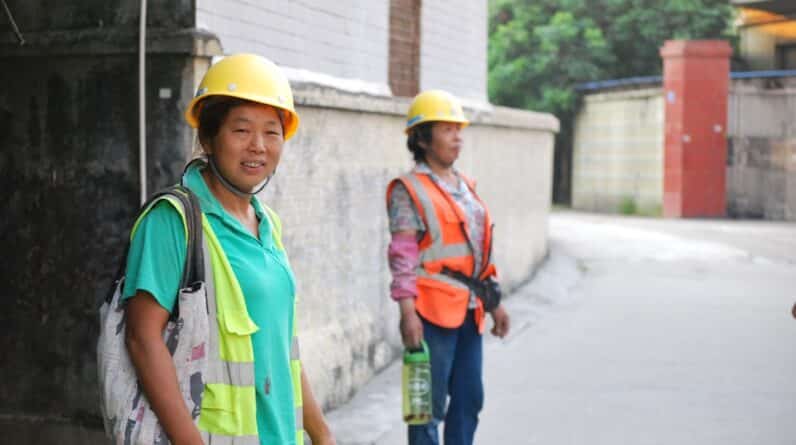
Wearing appropriate personal protective equipment (PPE) such as gloves, goggles, and masks is essential to minimize exposure to harmful elements. Moreover, it’s important to be aware of your surroundings while working. Keep an eye out for any unstable structures or loose materials that could pose a danger.
If you’re working with chemicals or cleaning agents, ensure proper ventilation in the area to avoid inhalation of fumes. By prioritizing safety throughout the cleanup process, you not only protect yourself but also create a safer environment for anyone who will occupy or use the space in the future.
Tools and Equipment for Efficient Cleanup
Equipping yourself with the right tools and equipment can significantly enhance your efficiency during post-construction cleanup. A well-stocked toolkit will allow you to tackle various tasks with ease and precision. Start with basic cleaning supplies such as brooms, mops, buckets, and trash bags.
These essentials will help you manage debris and maintain cleanliness throughout the space. In addition to basic tools, consider investing in specialized equipment designed for post-construction cleaning. For instance, industrial vacuums equipped with HEPA filters can effectively capture fine dust particles that traditional vacuums may miss.
Floor scrubbers can save time and effort when cleaning large areas, while pressure washers can be invaluable for outdoor spaces or surfaces that require deep cleaning. By utilizing the right tools and equipment, you can optimize your cleaning efforts and achieve better results in less time.
Dealing with Dust and Debris
Dust is an inevitable byproduct of construction work, and managing it effectively is crucial for a successful cleanup. As you begin your post-construction cleaning, focus on minimizing dust accumulation in the first place. Use damp cloths or microfiber materials to wipe down surfaces instead of dry cloths that can simply spread dust around.
This technique not only captures dust but also prevents it from becoming airborne again. Once you’ve tackled initial dusting, consider implementing a systematic approach to deal with remaining debris. Start from one corner of the space and work your way through systematically to ensure no area is overlooked.
Use brooms or vacuums to collect larger debris before moving on to finer dust particles. Remember that dust can settle on surfaces after cleaning, so it may be necessary to repeat certain steps to achieve a truly clean environment.
Cleaning Surfaces and Fixtures
Cleaning surfaces and fixtures is a critical aspect of post-construction cleanup that requires attention to detail. Different materials may require specific cleaning methods or products to avoid damage while ensuring cleanliness. For example, glass surfaces may benefit from a specialized glass cleaner that leaves no streaks behind, while wooden fixtures might require a gentle cleaner that preserves their finish.
As you clean surfaces, don’t forget about hard-to-reach areas where dust and grime tend to accumulate. Pay special attention to corners, crevices, and behind appliances or furniture where debris may have settled during construction. Using extension tools or small brushes can help you access these areas effectively.
By taking the time to clean every surface thoroughly, you’ll create a polished environment that reflects the quality of work completed during construction.
Disposing of Construction Waste
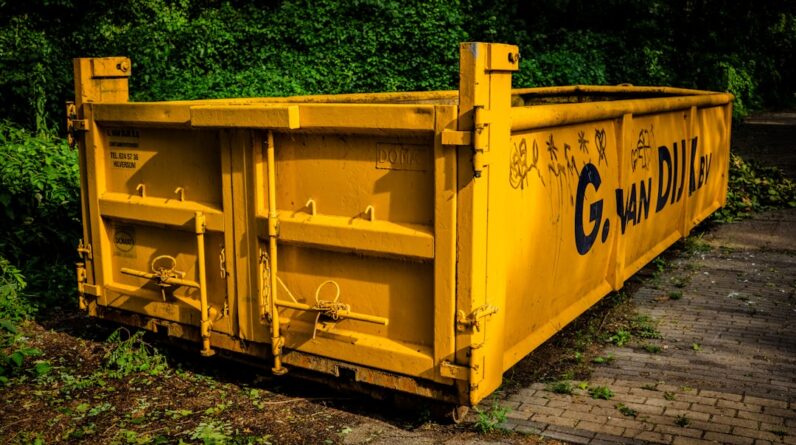
Proper disposal of construction waste is not only essential for maintaining cleanliness but also for adhering to environmental regulations. As you collect debris during your cleanup process, categorize waste into different types: recyclable materials, hazardous waste, and general refuse. This categorization will help streamline disposal efforts and ensure compliance with local regulations regarding waste management.
For recyclable materials such as metal scraps or cardboard boxes, research local recycling facilities that accept construction waste. Many communities have specific guidelines for recycling construction materials, so familiarize yourself with these regulations before proceeding. Hazardous waste, such as paints or solvents, requires special handling; be sure to follow local guidelines for safe disposal to protect both yourself and the environment.
By taking responsible steps in waste disposal, you contribute positively to sustainability efforts while ensuring a clean space.
Final Inspections and Touch-ups
Once you’ve completed the bulk of your post-construction cleanup, it’s time for final inspections and touch-ups. This phase is crucial for ensuring that every detail meets your standards before handing over the space for use. Begin by conducting a thorough walkthrough of the area to identify any spots that may have been missed or require additional attention.
During this inspection, pay close attention to surfaces that may still show signs of dust or smudges. It’s not uncommon for some areas to need a second pass after initial cleaning efforts. Additionally, check fixtures such as light switches or outlets that may have accumulated grime during construction.
By addressing these final details with care, you’ll leave behind a space that is not only clean but also inviting and ready for its intended purpose. In conclusion, post-construction cleanup is an essential process that requires careful planning and execution. By understanding its scope, developing a comprehensive plan, prioritizing safety, utilizing appropriate tools, managing dust and debris effectively, cleaning surfaces thoroughly, disposing of waste responsibly, and conducting final inspections with diligence, you can ensure a successful outcome that reflects the quality of work completed during construction.
Your efforts will not only enhance the aesthetic appeal of the space but also contribute to a healthier environment for all who will occupy it in the future.
If you’re interested in learning more about home repairs and renovations, you may want to check out the article Your Home’s Hidden Potential: Unlocking Value with Home Repairs. This article delves into the ways in which making repairs and improvements to your home can increase its value and enhance its overall appeal. It offers valuable insights and tips for homeowners looking to maximize the potential of their living spaces.
FAQs
What is post-construction cleanup?
Post-construction cleanup refers to the process of cleaning and removing debris, dust, and other construction-related waste from a site after a construction project is completed.
Why is post-construction cleanup important?
Post-construction cleanup is important to ensure the safety and cleanliness of the site, as well as to prepare the space for occupancy or further use. It also helps to improve the overall appearance of the area.
What does post-construction cleanup typically involve?
Post-construction cleanup typically involves removing debris, dusting and wiping surfaces, cleaning windows, vacuuming and mopping floors, and disposing of any leftover construction materials.
Who is responsible for post-construction cleanup?
The responsibility for post-construction cleanup can vary depending on the terms of the construction contract. It may be the responsibility of the general contractor, subcontractors, or a professional cleaning service hired specifically for this purpose.
What are the challenges of post-construction cleanup?
Challenges of post-construction cleanup can include dealing with large amounts of debris, dust, and potentially hazardous materials. It can also be time-consuming and require specialized equipment and expertise.
How can post-construction cleanup be navigated effectively?
Navigating post-construction cleanup effectively involves proper planning, coordination, and communication among all parties involved. It may also require the use of professional cleaning services with experience in post-construction cleanup.