When a construction project reaches its conclusion, the work is far from over. You may find yourself facing the critical task of post-construction cleanup, a process that is essential for ensuring that the newly built or renovated space is safe, functional, and aesthetically pleasing. This phase involves more than just sweeping up debris; it encompasses a comprehensive cleaning effort that addresses everything from dust and dirt to hazardous materials left behind during construction.
Understanding the importance of this cleanup process can help you appreciate its role in creating a welcoming environment for future occupants. Post-construction cleanup is not merely a cosmetic endeavor; it is a vital step in preparing a space for occupancy. You might be surprised to learn that the air quality in newly constructed buildings can be significantly compromised due to dust, volatile organic compounds (VOCs), and other pollutants.
Therefore, thorough cleaning is necessary to ensure that the environment is healthy and safe for inhabitants. Additionally, this cleanup phase can enhance the overall appearance of the property, making it more appealing to potential buyers or tenants. By investing time and resources into effective post-construction cleanup, you are not only adhering to best practices but also setting the stage for a successful transition into the next phase of your project.
Key Takeaways
- Post-construction cleanup is essential for ensuring a safe and clean environment after construction projects.
- Understanding local regulations and guidelines is crucial for compliance and avoiding penalties during post-construction cleanup.
- Environmental considerations, such as proper disposal of hazardous materials, must be taken into account during post-construction cleanup.
- Safety regulations and protocols should be followed to protect workers and the surrounding community during post-construction cleanup.
- Waste disposal and recycling requirements must be adhered to in order to minimize the environmental impact of post-construction cleanup.
Understanding Local Regulations and Guidelines
As you embark on the post-construction cleanup process, it is crucial to familiarize yourself with local regulations and guidelines that govern this area. Each municipality may have specific rules regarding waste disposal, environmental protection, and safety standards that you must adhere to. Ignoring these regulations can lead to complications down the line, including fines or delays in project completion.
Therefore, taking the time to research and understand these requirements will save you from potential headaches later on. Local regulations often dictate how construction debris should be handled and disposed of. For instance, certain materials may require special treatment or disposal methods due to their hazardous nature.
You should consult your local government’s website or contact relevant authorities to obtain information about any permits or licenses you may need for your cleanup efforts. Additionally, understanding zoning laws and building codes can help ensure that your cleanup aligns with community standards, ultimately contributing to a smoother transition from construction to occupancy.
Environmental Considerations for Post-Construction Cleanup

In today’s world, environmental sustainability is more important than ever, and your post-construction cleanup efforts should reflect this growing concern. As you navigate through the debris and remnants of construction, consider how your actions impact the environment. You have the opportunity to implement eco-friendly practices that minimize waste and promote recycling.
For example, separating recyclable materials from general waste can significantly reduce the amount of debris sent to landfills. Moreover, using environmentally friendly cleaning products can help maintain air quality and reduce harmful chemical exposure. Many traditional cleaning agents contain harsh chemicals that can contribute to indoor air pollution.
By opting for green cleaning solutions, you not only protect the environment but also create a healthier space for future occupants. Incorporating sustainable practices into your post-construction cleanup will not only benefit the planet but also enhance your reputation as a responsible builder or contractor.
Safety Regulations and Protocols
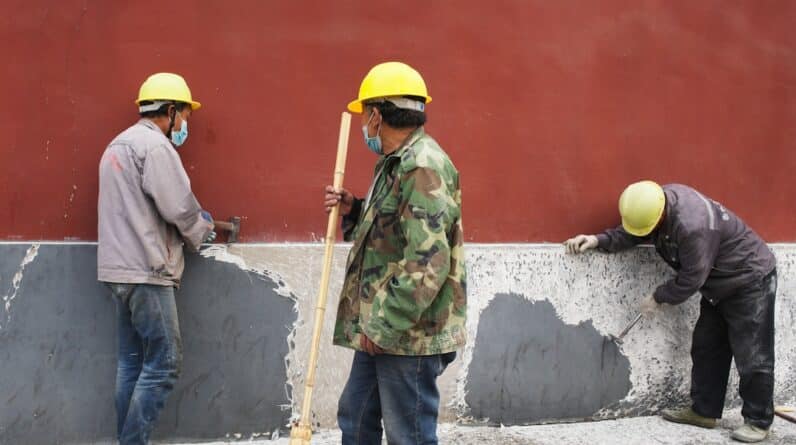
Safety should always be a top priority during post-construction cleanup. As you sift through materials and debris, you may encounter hazardous substances or sharp objects that pose risks to your health and safety. Familiarizing yourself with safety regulations and protocols is essential to ensure that you and your team remain protected throughout the cleanup process.
This includes wearing appropriate personal protective equipment (PPE) such as gloves, masks, goggles, and hard hats. In addition to personal safety measures, it is important to establish clear protocols for handling hazardous materials. You may come across items like asbestos, lead paint, or chemical spills that require specialized training and equipment for safe removal.
Understanding how to identify these hazards and knowing the proper procedures for dealing with them can prevent accidents and injuries on-site. By prioritizing safety during post-construction cleanup, you create a secure environment for everyone involved in the project.
Waste Disposal and Recycling Requirements
Proper waste disposal is a critical component of post-construction cleanup that cannot be overlooked. You may be surprised by the volume of waste generated during construction, which can include everything from wood scraps and metal pieces to concrete remnants and packaging materials. Each type of waste has its own disposal requirements, so it’s essential to familiarize yourself with local guidelines regarding waste management.
Recycling should be at the forefront of your waste disposal strategy. Many construction materials are recyclable, including metals, plastics, and certain types of wood. By implementing a recycling program during your cleanup efforts, you can significantly reduce the amount of waste sent to landfills while also conserving valuable resources.
Additionally, some municipalities offer incentives for recycling construction debris, which can further benefit your project’s budget. Taking the time to understand waste disposal and recycling requirements will not only help you comply with regulations but also contribute positively to environmental sustainability.
Permits and Inspections for Post-Construction Cleanup
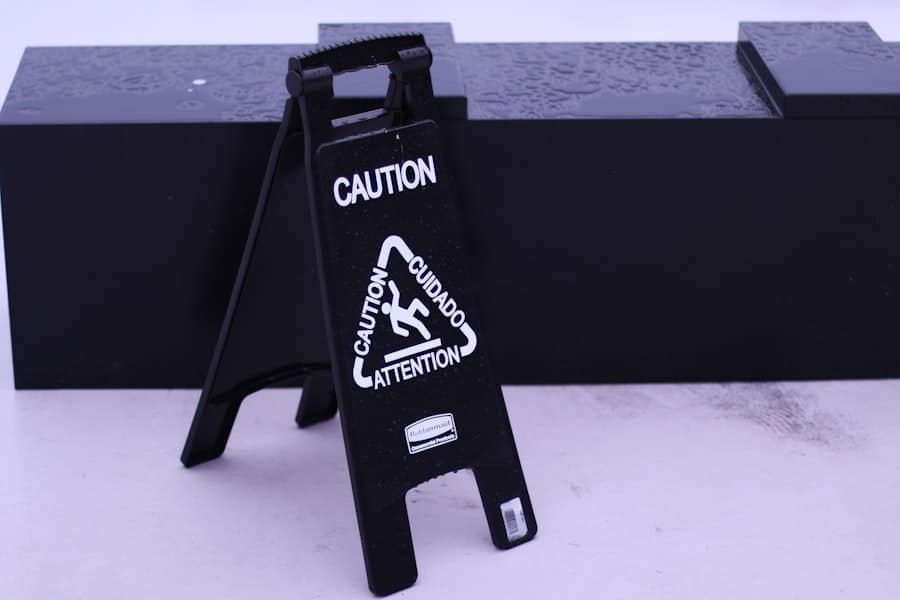
Before diving into post-construction cleanup, it’s essential to determine whether any permits or inspections are required in your area. Depending on the scope of your project and local regulations, you may need specific permits for waste disposal or environmental compliance. Failing to secure these permits can lead to delays or fines that could hinder your project’s progress.
Inspections may also be necessary after completing your cleanup efforts. Local authorities often conduct inspections to ensure that all regulations have been followed and that the site is safe for occupancy. Being proactive in obtaining permits and preparing for inspections will streamline the process and help you avoid potential setbacks.
By understanding the requirements surrounding permits and inspections, you can ensure that your post-construction cleanup is compliant with local laws.
Penalties for Non-Compliance
The consequences of non-compliance with local regulations during post-construction cleanup can be severe. You may face financial penalties, legal repercussions, or even project delays if you fail to adhere to established guidelines. These penalties can vary widely depending on the nature of the violation and local laws; in some cases, fines can accumulate quickly if issues are not addressed promptly.
Moreover, non-compliance can damage your reputation as a builder or contractor. Clients expect professionalism and adherence to regulations when hiring someone for construction projects. If word spreads about your failure to comply with local laws during cleanup, it could deter potential clients from working with you in the future.
By prioritizing compliance throughout your post-construction cleanup efforts, you protect not only your project but also your professional standing in the industry.
Resources for Further Information and Assistance
As you navigate the complexities of post-construction cleanup, numerous resources are available to assist you in ensuring compliance with regulations and best practices. Local government websites often provide valuable information regarding waste disposal guidelines, recycling programs, and safety regulations specific to your area. Additionally, industry associations may offer resources such as training programs or workshops focused on post-construction cleanup.
You might also consider reaching out to professionals who specialize in environmental compliance or construction management for guidance tailored to your specific project needs. These experts can provide insights into best practices and help you navigate any challenges that arise during the cleanup process. By leveraging available resources and seeking assistance when needed, you can enhance the effectiveness of your post-construction cleanup efforts while ensuring compliance with all relevant regulations.
In conclusion, post-construction cleanup is an essential phase that requires careful planning and execution. By understanding local regulations, prioritizing environmental considerations, adhering to safety protocols, managing waste responsibly, securing necessary permits, avoiding penalties for non-compliance, and utilizing available resources, you can ensure a successful transition from construction to occupancy. Embracing these practices not only enhances the quality of your work but also contributes positively to the community and environment as a whole.
If you are looking for specific guidelines or regulations governing post-construction cleanup in your area, you may want to check out the legal page on Better Home Contractor’s website. This page provides valuable information on various legal aspects related to home construction and renovation projects. You can find helpful resources and tips to ensure that your post-construction cleanup is done in compliance with local laws and regulations. Visit Better Home Contractor’s legal page for more information.
FAQs
What is post-construction cleanup?
Post-construction cleanup refers to the process of cleaning and removing debris, dust, and other construction-related waste from a site after a construction project is completed.
Are there specific guidelines for post-construction cleanup?
Yes, many areas have specific guidelines and regulations governing post-construction cleanup to ensure that the process is carried out safely and responsibly.
What are some common regulations for post-construction cleanup?
Common regulations for post-construction cleanup may include proper disposal of construction waste, dust control measures, and adherence to environmental and safety standards.
Where can I find information about post-construction cleanup regulations in my area?
You can find information about post-construction cleanup regulations in your area by contacting your local government offices, such as the building department or environmental agency. You can also check local ordinances and regulations online.
Do I need a permit for post-construction cleanup?
In some areas, a permit may be required for post-construction cleanup, especially if hazardous materials are involved. It is important to check with local authorities to determine if a permit is necessary.