
When it comes to maintaining the integrity and appearance of your construction materials, understanding the appropriate cleaning techniques is essential. Each material, whether it be wood, metal, or glass, has its own unique properties that require specific care. You may find that using the wrong cleaning method can lead to damage, deterioration, or even a complete loss of aesthetic appeal.
Therefore, it is crucial to familiarize yourself with the various cleaning techniques tailored to each type of construction material. In this article, you will explore specialized cleaning techniques for wood, metal, and glass construction materials. You will also learn about considerations for other materials and the importance of using the right methods.
By the end of this guide, you will be equipped with the knowledge necessary to maintain your construction materials effectively, ensuring they remain in optimal condition for years to come.
Key Takeaways
- Different construction materials require different cleaning techniques
- Specialized cleaning techniques for wood construction materials include gentle scrubbing and using wood-specific cleaners
- Metal construction materials can be cleaned using mild soap and water, or specialized metal cleaners for tougher stains
- Glass construction materials can be cleaned using glass cleaners or a mixture of vinegar and water
- Considerations for cleaning other construction materials include checking for manufacturer recommendations and testing cleaning products in inconspicuous areas
Specialized Cleaning Techniques for Wood Construction Materials
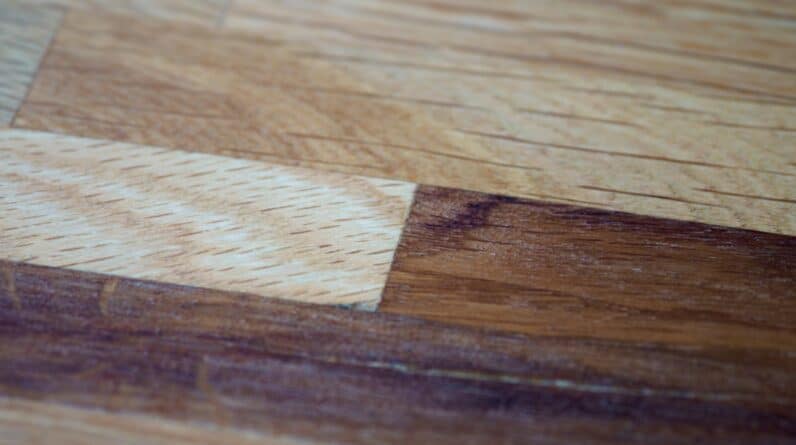
Wood is a popular choice in construction due to its natural beauty and versatility. However, it is also susceptible to damage from moisture, dirt, and pests. When cleaning wood surfaces, you should always start with a gentle approach.
Begin by dusting the surface with a soft cloth or a microfiber duster to remove loose debris. This initial step is crucial as it prevents scratching the wood during subsequent cleaning processes. For deeper cleaning, you may want to use a solution of mild soap and warm water.
Dampen a soft cloth with this mixture and gently wipe the surface, taking care not to saturate the wood. Excess moisture can lead to warping or mold growth, so it’s important to use just enough liquid to clean without overdoing it. After wiping down the surface, dry it immediately with a clean, dry cloth to prevent any moisture from seeping into the wood.
If your wood surfaces have stubborn stains or grime buildup, consider using a specialized wood cleaner that is pH-balanced and designed for your specific type of wood. Always test any cleaner on a small, inconspicuous area first to ensure it does not cause discoloration or damage. For outdoor wooden structures, such as decks or fences, you might need to use a pressure washer on a low setting, but be cautious as too much pressure can splinter the wood.
Specialized Cleaning Techniques for Metal Construction Materials
Metal construction materials are known for their durability and strength; however, they are not immune to corrosion and tarnishing. When cleaning metal surfaces, your first step should be to identify the type of metal you are dealing with—whether it’s stainless steel, aluminum, or wrought iron—as each requires different care. For stainless steel, a simple solution of warm water and mild detergent can work wonders.
Use a soft cloth or sponge to wipe down the surface, following the grain of the metal to avoid scratches. For tougher stains or rust on metals like wrought iron, you may need to employ a more aggressive approach. A mixture of vinegar and baking soda can create an effective paste that helps lift rust stains.
Apply this paste to the affected areas and let it sit for a few minutes before scrubbing gently with a soft-bristle brush. Rinse thoroughly with water and dry immediately to prevent further corrosion. In addition to regular cleaning, consider applying a protective coating or sealant specifically designed for metal surfaces.
This can help prevent future tarnishing and make routine maintenance easier. Remember that harsh chemicals can damage metal finishes, so always opt for gentle cleaners and avoid abrasive pads that could scratch the surface.
Specialized Cleaning Techniques for Glass Construction Materials
Glass is often used in modern construction for its aesthetic appeal and ability to allow natural light into spaces. However, glass surfaces can quickly become dirty and streaked if not cleaned properly. To maintain clarity and shine, start by removing any dust or loose particles with a microfiber cloth or a soft brush.
This initial step will help prevent scratching during the cleaning process. For cleaning glass surfaces, you can use a commercial glass cleaner or create your own solution using equal parts water and vinegar. Spray the solution onto the glass surface and wipe it down with a lint-free cloth or paper towel in a circular motion.
This technique helps eliminate streaks and ensures an even shine. For larger glass surfaces like windows or glass doors, consider using a squeegee for a streak-free finish. If you encounter tough stains or mineral deposits on your glass surfaces, you may need to use a specialized glass cleaner designed for hard water stains.
Apply the cleaner according to the manufacturer’s instructions and scrub gently with a non-abrasive pad. Rinse thoroughly with water afterward to remove any residue from the cleaner.
Considerations for Cleaning Other Construction Materials
While wood, metal, and glass are common construction materials, there are many others that require specific cleaning techniques as well. For instance, brick and masonry surfaces can accumulate dirt and grime over time. When cleaning these materials, it’s essential to use a soft-bristle brush along with a mild detergent solution.
Avoid using high-pressure washing methods as they can damage the mortar between bricks. Concrete surfaces also require special attention due to their porous nature. For routine cleaning, sweeping or using a leaf blower can help remove debris.
For deeper cleaning, consider using a pressure washer with an appropriate detergent designed for concrete surfaces. Be cautious not to use too much pressure as it can erode the surface over time. Additionally, when dealing with painted surfaces or finishes, always check for compatibility with cleaning products before applying them.
Some cleaners can strip paint or cause discoloration if not used correctly. Always test on an inconspicuous area first to ensure safety.
Importance of Using the Right Cleaning Techniques for Different Construction Materials
Using the right cleaning techniques for different construction materials is vital for several reasons. First and foremost, improper cleaning methods can lead to irreversible damage. For example, using abrasive cleaners on delicate surfaces like glass can result in scratches that compromise both appearance and functionality.
Similarly, using excessive moisture on wood can lead to warping or mold growth. Moreover, employing appropriate cleaning techniques helps maintain the longevity of your materials. Regular maintenance using suitable methods ensures that your construction materials remain in good condition over time.
This not only preserves their aesthetic appeal but also enhances their structural integrity. Additionally, understanding how to clean different materials effectively can save you time and money in the long run. By preventing damage through proper care, you reduce the need for costly repairs or replacements down the line.
Ultimately, investing time in learning about specialized cleaning techniques pays off by extending the life of your construction materials.
Common Mistakes to Avoid When Cleaning Different Construction Materials
When it comes to cleaning construction materials, there are several common mistakes that you should be aware of to avoid damaging your surfaces. One major error is using harsh chemicals indiscriminately across different materials without considering their specific needs. For instance, bleach may be effective on some surfaces but can cause discoloration on fabrics or painted finishes.
Another mistake is neglecting to test new cleaning products on inconspicuous areas before applying them broadly. This precautionary step can save you from potential disasters that could arise from unexpected reactions between cleaners and materials. Additionally, failing to follow manufacturer guidelines for specific materials can lead to issues down the line.
Always refer to product labels or consult professionals if you’re unsure about how best to clean a particular surface. Lastly, remember that over-cleaning can be just as damaging as under-cleaning; excessive scrubbing or frequent use of strong cleaners can wear down surfaces over time.
Conclusion and Recommendations for Cleaning Different Construction Materials
In conclusion, understanding specialized cleaning techniques for various construction materials is essential for maintaining their integrity and appearance over time. Whether you are dealing with wood, metal, glass, or other materials like brick and concrete, each requires its own unique approach to ensure effective cleaning without causing damage. As you embark on your cleaning endeavors, remember to always start with gentle methods before progressing to more aggressive techniques if necessary.
Test any new products on inconspicuous areas first and follow manufacturer guidelines whenever possible. By taking these precautions and employing appropriate cleaning methods tailored to each material type, you will not only enhance their longevity but also preserve their beauty for years to come. Ultimately, investing time in learning about proper cleaning techniques will pay off in maintaining your construction materials’ aesthetic appeal and structural integrity while saving you from costly repairs in the future.
If you are interested in learning more about the legacy of historical restoration in modern architecture, you may find the article Inspiring Future Innovations: The Legacy of Historical Restoration in Modern Architecture to be a fascinating read. This article delves into the importance of preserving and restoring historical buildings while incorporating modern design elements. It provides insight into how the past can inspire future innovations in the field of architecture.
FAQs
What are specialized cleaning techniques for wood construction materials?
Specialized cleaning techniques for wood construction materials may include using a mild detergent and water solution, avoiding harsh chemicals that can damage the wood, and using a soft brush or cloth to gently scrub the surface.
What are specialized cleaning techniques for metal construction materials?
Specialized cleaning techniques for metal construction materials may include using a metal cleaner or polish to remove tarnish or oxidation, avoiding abrasive materials that can scratch the metal, and using a soft cloth to buff the surface to a shine.
What are specialized cleaning techniques for glass construction materials?
Specialized cleaning techniques for glass construction materials may include using a glass cleaner or a solution of vinegar and water, avoiding abrasive materials that can scratch the glass, and using a lint-free cloth to wipe the surface for a streak-free finish.


