

When you embark on the journey of creating your outdoor kitchen, the first step is to meticulously plan and layout the space. This is not merely about placing a grill and a few chairs; it’s about envisioning a functional area that meets your culinary needs while harmonizing with your outdoor environment. Begin by assessing the available space in your backyard or patio.
Consider the flow of movement, ensuring that there is enough room for you and your guests to navigate comfortably. You might want to sketch a rough layout, marking where you envision the cooking area, dining space, and any additional features you wish to include. As you plan, think about how you will use the kitchen.
Will it be a space for casual family meals, or do you envision hosting elaborate dinner parties? Your intended use will influence the layout significantly. For instance, if you plan to entertain frequently, you may want to create an open design that encourages interaction between the cooking area and dining space.
Additionally, consider the proximity of your kitchen to your home. A layout that allows easy access to indoor facilities can enhance convenience, especially when transporting food and supplies.
Key Takeaways
- Proper planning and layout are essential for a functional and enjoyable outdoor kitchen space.
- The cooking area should be well-equipped with a grill, stove, and other necessary appliances for outdoor cooking.
- Shelter and shade are important for protection from the elements while cooking and dining outdoors.
- Adequate storage is crucial for keeping cooking utensils, dishes, and ingredients organized and easily accessible.
- Good lighting is essential for safety and ambiance in an outdoor kitchen, especially for evening use.
Cooking Area
Essential Appliances for Outdoor Cooking
A high-quality grill is often the centerpiece, but you might also want to include a smoker, a pizza oven, or even a built-in stovetop for versatility. Each of these elements can elevate your outdoor cooking experience, allowing you to prepare a variety of dishes that cater to different tastes.
Durable Materials for Outdoor Use
Moreover, consider the materials used in your cooking area. Stainless steel appliances are not only durable but also resistant to the elements, making them ideal for outdoor use. You may also want to incorporate a countertop for food preparation. Materials like granite or concrete can withstand heat and are easy to clean, providing a practical yet stylish surface for your culinary endeavors.
Ventilation for a Pleasant Outdoor Kitchen
Don’t forget about ventilation; installing a range hood can help manage smoke and odors, ensuring that your outdoor kitchen remains pleasant for both cooks and guests alike.
Shelter and Shade
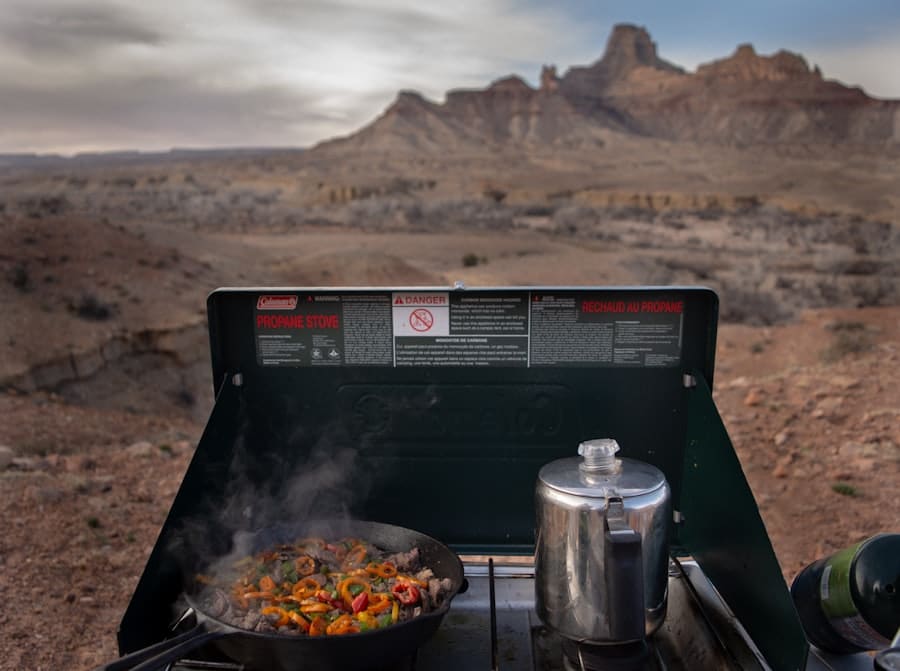
Creating a comfortable outdoor kitchen requires thoughtful consideration of shelter and shade. Depending on your climate, exposure to sun or rain can significantly impact your cooking experience. A well-placed pergola or awning can provide much-needed shade during hot summer days, allowing you to cook and dine without overheating.
Additionally, consider incorporating retractable shades or umbrellas for flexibility; this way, you can adjust your coverage based on the weather conditions. In regions prone to rain or inclement weather, having a roof over your cooking area is essential. A solid structure not only protects your appliances but also allows you to enjoy your outdoor kitchen year-round.
You might opt for a fully enclosed outdoor kitchen with walls and windows or a more open design with a roof that provides shelter while still allowing for airflow. Whichever option you choose, ensure that it complements the overall aesthetic of your home and garden.
Storage
Effective storage solutions are crucial in any kitchen, and your outdoor kitchen is no exception. You’ll want to keep utensils, cookware, and ingredients organized and easily accessible while maintaining a clean and clutter-free environment. Consider incorporating cabinets or drawers into your design; these can be built into the structure of your kitchen for a seamless look.
Weather-resistant materials are key here; look for cabinets made from marine-grade polymer or stainless steel to withstand outdoor conditions. In addition to traditional storage options, think creatively about how you can maximize space. Open shelving can be an attractive way to display frequently used items while keeping them within reach.
Hooks for hanging utensils or pots can add both functionality and charm to your cooking area. You might also want to include a designated space for spices and condiments, ensuring that everything you need is at your fingertips when inspiration strikes.
Lighting
Lighting plays a pivotal role in creating an inviting atmosphere in your outdoor kitchen. As the sun sets, proper illumination will allow you to continue cooking and entertaining without interruption. Start by considering task lighting; this includes focused lights over the grill or prep areas that ensure you can see what you’re doing clearly.
LED strip lights under countertops or around cabinets can provide subtle yet effective illumination. Beyond functionality, think about ambient lighting that enhances the overall mood of your outdoor space. String lights or lanterns can add a warm glow, creating an inviting atmosphere for evening gatherings.
You might also consider installing dimmable lights so you can adjust the brightness based on the occasion—whether it’s a lively barbecue with friends or a quiet dinner with family. The right lighting can transform your outdoor kitchen into a magical retreat after dark.
Seating and Dining Area

Defining Your Seating Needs
The seating and dining area is where memories are made, so it’s essential to design this space thoughtfully. Start by determining how many people you typically host; this will guide your choice of seating arrangements. A large dining table can accommodate family gatherings, while smaller bistro sets may be perfect for intimate meals or casual breakfasts outdoors.
Prioritizing Comfort
Comfort is key when selecting seating options. Look for weather-resistant materials that can withstand the elements while providing comfort for long meals. Cushioned chairs or benches can enhance the dining experience, encouraging guests to linger over their meals.
Creating a Casual Atmosphere
Additionally, consider incorporating bar stools around an island or counter if you have one; this creates a casual atmosphere where guests can gather while you cook.
Appliances and Utilities
Incorporating the right appliances and utilities into your outdoor kitchen can elevate its functionality significantly. Beyond the standard grill, think about what additional features would enhance your cooking experience. A refrigerator is invaluable for keeping drinks cold and storing perishable items close at hand.
If you enjoy entertaining, consider adding an ice maker or wine cooler for convenience. Utilities such as sinks are also essential in an outdoor kitchen setup. Having running water allows for easy cleanup and food preparation without needing to trek back inside.
You might also want to consider installing an outdoor dishwasher if space permits; this can save time after large gatherings when dishes tend to pile up quickly. By thoughtfully selecting appliances and utilities that suit your lifestyle, you’ll create an outdoor kitchen that is both functional and enjoyable.
Decor and Personalization
Finally, don’t overlook the importance of decor and personalization in making your outdoor kitchen feel like home. This is where you can truly express your style and create an inviting atmosphere that reflects your personality. Start by choosing a color palette that complements your home’s exterior; this could involve painting cabinets or selecting accessories in coordinating hues.
Incorporate decorative elements such as potted plants, herbs, or even a small garden nearby to add life to the space. Outdoor rugs can define areas within your kitchen while adding warmth underfoot. Personal touches like family photos in weatherproof frames or custom signage can make the area uniquely yours.
By infusing your personality into the decor, you’ll create an outdoor kitchen that not only serves as a functional cooking space but also as a cherished gathering spot for family and friends. In conclusion, designing an outdoor kitchen involves careful planning and consideration of various elements that contribute to its functionality and aesthetic appeal. From layout and cooking areas to storage solutions and personalized decor, each aspect plays a vital role in creating an inviting space where culinary creativity flourishes and memories are made with loved ones.
By taking the time to thoughtfully design each component of your outdoor kitchen, you’ll ensure it becomes a beloved extension of your home for years to come.
If you are looking to create the perfect outdoor kitchen design, you may want to consider hiring a professional contractor to help bring your vision to life. Better Home Contractor offers services in various locations, including Boston, Massachusetts, Manteca, California, and Mount Vernon, New York. Their team of experts can assist with all aspects of outdoor kitchen design, from layout and materials selection to installation and finishing touches. Check out their website for more information on how they can help you create the outdoor kitchen of your dreams. Click here to learn more.
FAQs
What are the essential components of an outdoor kitchen design?
Some essential components of an outdoor kitchen design include a grill, countertop space, storage cabinets, a sink, and adequate lighting. Additionally, outdoor kitchens may also include a refrigerator, bar area, and seating options.
What materials are commonly used in outdoor kitchen designs?
Common materials used in outdoor kitchen designs include stainless steel for appliances, countertops, and cabinets, as well as stone, brick, or concrete for the flooring and countertops. Other popular materials include tile, wood, and outdoor-rated appliances and fixtures.
What are some important considerations when designing an outdoor kitchen?
Important considerations when designing an outdoor kitchen include the layout and flow of the space, the climate and weather conditions in the area, the available utilities such as gas, water, and electricity, as well as the overall aesthetic and style of the outdoor living space.
How can outdoor kitchens be customized to fit different needs and preferences?
Outdoor kitchens can be customized to fit different needs and preferences by incorporating specific cooking appliances such as pizza ovens or smokers, adding a variety of seating options, creating designated areas for food prep and serving, and integrating features like outdoor fireplaces or heaters for year-round use.
What are the benefits of having an outdoor kitchen?
Some benefits of having an outdoor kitchen include expanding living and entertaining space, enjoying the outdoor environment while cooking and dining, adding value to the home, and reducing indoor heat and odors during cooking. Additionally, outdoor kitchens can create a unique and enjoyable cooking and dining experience for homeowners and their guests.


