
In recent years, outdoor kitchens have surged in popularity, transforming backyards into culinary havens. This trend reflects a broader shift in how people view their outdoor spaces, moving beyond simple patios or decks to fully functional areas that encourage cooking, dining, and entertaining. You may find that the allure of an outdoor kitchen lies in its ability to blend the comforts of indoor living with the beauty of nature.
As more homeowners seek to enhance their outdoor experiences, the outdoor kitchen has become a focal point for gatherings, celebrations, and family meals. The rise of outdoor kitchens can also be attributed to a growing interest in al fresco dining and the desire to create a seamless transition between indoor and outdoor living. You might notice that many modern homes are designed with open floor plans that extend into outdoor spaces, making it easier to entertain guests while enjoying the fresh air.
This trend is not just about aesthetics; it’s about lifestyle. You can cook, socialize, and relax all in one area, making your outdoor kitchen a versatile space that enhances your quality of life.
Key Takeaways
- Outdoor kitchens are becoming increasingly popular, providing a unique and enjoyable cooking and dining experience.
- When designing your outdoor kitchen space, consider factors such as layout, functionality, and aesthetic appeal.
- Essential appliances for outdoor cooking include a grill, refrigerator, sink, and storage space for utensils and cookware.
- Creating an outdoor dining experience involves considering seating arrangements, lighting, and protection from the elements.
- Embracing the elements by cooking with fire and smoke adds a unique flavor and experience to outdoor cooking.
Designing Your Outdoor Kitchen Space
When it comes to designing your outdoor kitchen, the possibilities are nearly endless. You should start by considering the layout and flow of the space. Think about how you want to use the area—will it be primarily for cooking, dining, or entertaining?
You may want to create distinct zones for each activity, ensuring that your kitchen is functional and inviting. For instance, placing the grill near the dining area can facilitate easy serving and encourage social interaction while cooking. Another important aspect of design is choosing materials that can withstand the elements.
You might opt for weather-resistant countertops, durable cabinetry, and stainless steel appliances that can endure exposure to sun, rain, and wind. Additionally, consider incorporating features like shade structures or pergolas to provide comfort during hot summer days. Lighting is also crucial; you’ll want to ensure that your outdoor kitchen is well-lit for evening gatherings.
By thoughtfully planning your space, you can create an outdoor kitchen that is not only beautiful but also practical and enjoyable.
Essential Appliances for Outdoor Cooking

Equipping your outdoor kitchen with the right appliances is key to maximizing its functionality. You may want to start with a high-quality grill, as it often serves as the centerpiece of outdoor cooking. Whether you prefer gas, charcoal, or electric grills, investing in a reliable model will enhance your cooking experience.
Additionally, consider adding a smoker for those who enjoy infusing their dishes with rich flavors. A dedicated pizza oven can also be a fun addition, allowing you to create restaurant-quality pizzas right in your backyard. Beyond grills and smokers, you might want to include other essential appliances such as refrigerators and sinks.
A refrigerator will keep your ingredients fresh and beverages cold, while a sink provides convenience for food prep and cleanup. If space allows, you could also incorporate a side burner for boiling or sautéing dishes. By carefully selecting appliances that suit your cooking style and preferences, you can create an outdoor kitchen that meets all your culinary needs.
Creating an Outdoor Dining Experience
An outdoor kitchen is not complete without a designated dining area where you can enjoy meals with family and friends. You should consider the size of your dining table and seating arrangements based on how many people you typically entertain. A large table can accommodate gatherings, while smaller setups may be more intimate for family dinners.
You might also explore different styles of seating, from traditional dining chairs to casual lounge furniture that encourages relaxation. To enhance the dining experience further, think about incorporating elements like outdoor lighting and decorative touches. String lights or lanterns can create a warm ambiance as the sun sets, making your outdoor space inviting for evening meals.
You may also want to add table settings that reflect your personal style—think colorful tablecloths, unique dishware, or even centerpieces made from seasonal flowers. By paying attention to these details, you can transform your outdoor dining area into a charming retreat that invites everyone to linger over good food and conversation.
Embracing the Elements: Cooking with Fire and Smoke
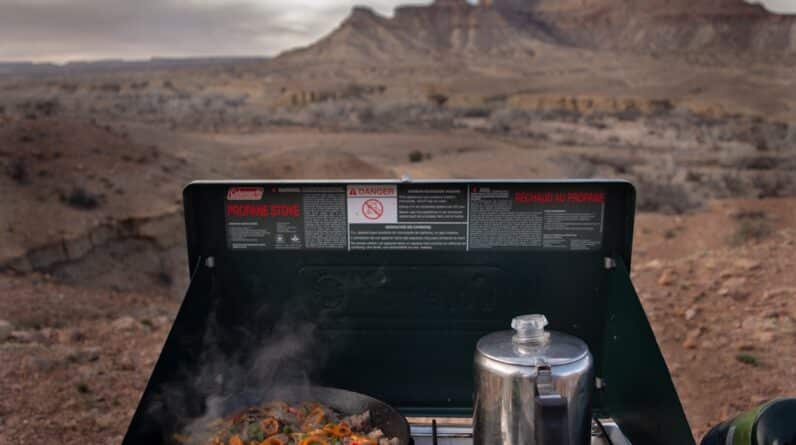
Cooking outdoors often means embracing the elements—especially fire and smoke—which can elevate your culinary creations to new heights. You might find that grilling over an open flame adds a unique flavor profile to meats and vegetables that simply cannot be replicated indoors. Experimenting with different types of wood chips or charcoal can introduce various smoky notes to your dishes, allowing you to customize flavors based on your preferences.
Moreover, cooking with fire can be an engaging experience that brings people together. You may enjoy gathering around a fire pit or grill with friends and family as you prepare meals together. This communal aspect of outdoor cooking fosters connection and creates lasting memories.
Whether you’re searing steaks or roasting marshmallows for s’mores, embracing fire and smoke in your outdoor kitchen can transform cooking into an enjoyable event rather than just a task.
Incorporating Sustainable and Eco-Friendly Practices

As you design and utilize your outdoor kitchen, consider incorporating sustainable practices that benefit both the environment and your community. You might start by sourcing local ingredients whenever possible; this not only supports local farmers but also reduces your carbon footprint associated with transporting food long distances. Growing your own herbs or vegetables in a small garden can further enhance sustainability while providing fresh produce right at your fingertips.
Additionally, think about energy-efficient appliances that minimize resource consumption without sacrificing performance. Solar-powered lights or energy-efficient grills can significantly reduce energy usage in your outdoor kitchen. You may also want to implement waste reduction strategies by composting food scraps or recycling packaging materials.
By embracing eco-friendly practices in your outdoor cooking space, you contribute positively to the environment while enjoying delicious meals.
The Benefits of Outdoor Cooking and Dining
Outdoor cooking and dining offer numerous benefits that extend beyond just enjoying good food in a beautiful setting. One significant advantage is the opportunity for socialization; gathering around an outdoor kitchen encourages interaction among family and friends. You might find that cooking together fosters teamwork and collaboration, creating a sense of camaraderie as everyone contributes to meal preparation.
Moreover, spending time outdoors has been shown to improve mental well-being. The fresh air and natural surroundings can reduce stress levels and promote relaxation. You may notice that meals enjoyed outside often feel more leisurely and enjoyable compared to those eaten indoors.
The combination of good food, great company, and a beautiful environment creates an experience that nourishes both body and soul.
Tips for Maintaining and Caring for Your Outdoor Kitchen
To ensure your outdoor kitchen remains functional and beautiful for years to come, regular maintenance is essential. Start by cleaning your appliances after each use; this includes scrubbing down grills and wiping surfaces to prevent buildup from grease or food particles. You might also want to cover your appliances when not in use to protect them from the elements.
Seasonal maintenance is equally important; check for any wear or damage before the cooking season begins each year. Inspecting gas lines, cleaning burners, and ensuring proper drainage can help prevent issues down the line. Additionally, consider deep cleaning your outdoor kitchen at least once a year to keep it looking its best.
By dedicating time to care for your space, you can enjoy countless memorable meals in your outdoor kitchen for many seasons ahead.
If you’re looking to create the ultimate outdoor kitchen oasis in your backyard, you may want to consider hiring a professional contractor to help bring your vision to life. Better Home Contractor offers services in various locations, including Cedar Rapids, Iowa, Lafayette, Louisiana, and Chesapeake, Virginia. Their team of experts can assist with home remodeling and repair projects, ensuring that your outdoor kitchen is not only functional but also aesthetically pleasing. Check out their website for more information on how they can help transform your backyard into a culinary paradise: Better Home Contractor – Chesapeake, Virginia.
FAQs
What is an outdoor kitchen?
An outdoor kitchen is a space in a backyard or outdoor area that is equipped with cooking appliances, countertops, and storage, allowing for cooking and dining al fresco.
What are the benefits of having an outdoor kitchen?
Having an outdoor kitchen allows for easy entertaining and dining outdoors, reduces the need to run back and forth between the indoor kitchen and outdoor grill, and adds value to a home.
What appliances are typically found in an outdoor kitchen?
Common appliances found in outdoor kitchens include grills, smokers, pizza ovens, refrigerators, sinks, and storage drawers.
What materials are used to build outdoor kitchens?
Outdoor kitchens are often constructed using materials such as stainless steel, stone, brick, and concrete, which are durable and able to withstand outdoor elements.
Are outdoor kitchens customizable?
Yes, outdoor kitchens can be customized to fit the specific needs and preferences of the homeowner, including the layout, appliances, and design elements.
Do outdoor kitchens require special maintenance?
Outdoor kitchens may require regular cleaning and maintenance to keep appliances and surfaces in good condition, especially when exposed to the elements. Covering appliances when not in use and using weather-resistant materials can help prolong the life of an outdoor kitchen.


