
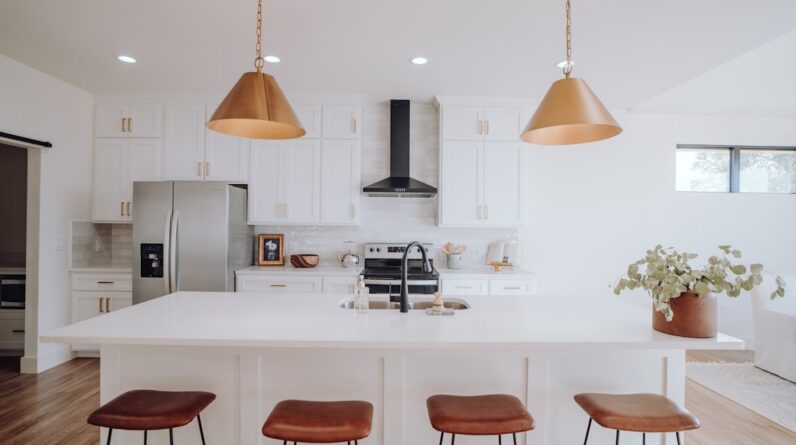
When embarking on a kitchen renovation, the first step you should consider is the planning and design phase. This stage is crucial as it sets the foundation for the entire project. You may find yourself investing time and resources into creating a functional layout that meets your needs while also reflecting your personal style.
Hiring a professional designer can be beneficial, as they bring expertise and experience to the table, helping you avoid common pitfalls. However, if you prefer a more hands-on approach, there are numerous online tools and software available that can assist you in visualizing your dream kitchen. In addition to hiring a designer, you should also account for the costs associated with permits and inspections.
Depending on your location, certain renovations may require permits to ensure compliance with local building codes. This can add to your overall planning costs, but it’s an essential step to ensure that your renovation is safe and legal. You might also want to set aside a budget for consultations with contractors or specialists who can provide insights into the feasibility of your design ideas.
By investing in thorough planning and design, you can save yourself from costly mistakes down the line.
Key Takeaways
- Planning and design costs can vary depending on the complexity of the project and the level of customization required.
- Labor and installation costs are influenced by the size of the project, the location, and the experience of the professionals hired.
- Material costs can fluctuate based on the quality and type of materials chosen for the project.
- Appliance costs can range from budget-friendly options to high-end, luxury appliances, impacting the overall budget significantly.
- Cabinetry costs are determined by the size, style, and material of the cabinets, with custom options being more expensive than stock or semi-custom choices.
- Countertop costs are influenced by the material selected, such as granite, quartz, or laminate, and the size of the area to be covered.
- Flooring costs can vary based on the type of flooring chosen, including hardwood, tile, or laminate, as well as the square footage of the space.
- Additional costs and contingencies should be factored in for unexpected expenses, such as structural issues or design changes during the project.
Labor and Installation Costs
Once you have a solid plan in place, the next significant expense you will encounter is labor and installation costs. This aspect of your renovation can vary widely based on the complexity of the project and the professionals you choose to hire. If you opt for a full remodel that involves structural changes, plumbing, or electrical work, you may need to enlist the help of multiple contractors, including electricians, plumbers, and general contractors.
Each of these professionals will charge their own rates, which can quickly add up. If you’re considering a DIY approach to save on labor costs, it’s essential to assess your skills realistically. While some tasks, like painting or installing hardware, may be manageable for you, others—such as plumbing or electrical work—are best left to the experts.
Mistakes in these areas can lead to costly repairs or even safety hazards. Therefore, it’s wise to strike a balance between DIY efforts and professional help to ensure that your kitchen renovation is completed efficiently and safely.
Material Costs
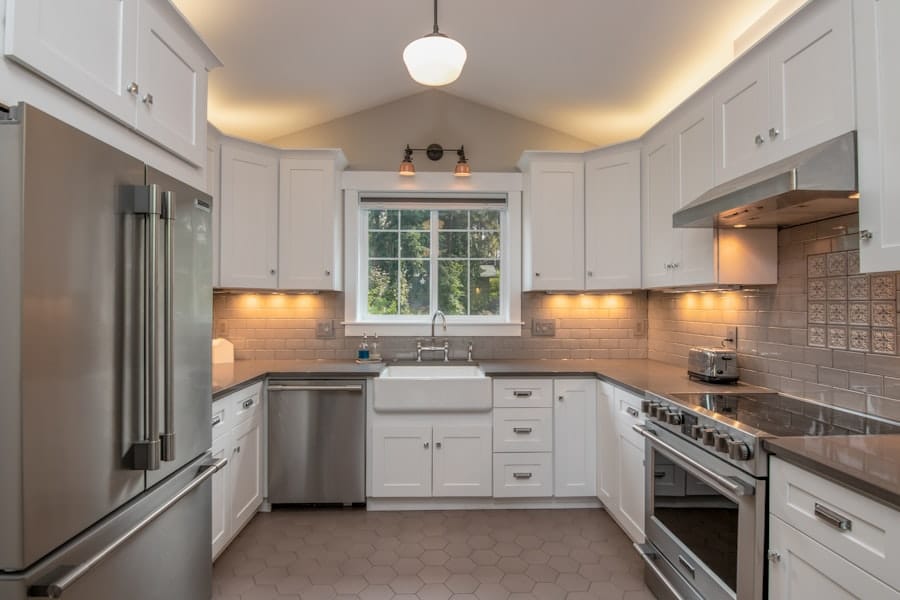
Material costs are another significant component of your kitchen renovation budget. The choices you make regarding materials can dramatically affect both the aesthetic appeal and functionality of your space. From flooring to cabinetry, each element contributes to the overall look and feel of your kitchen.
You may find yourself faced with a plethora of options, ranging from high-end materials like granite and hardwood to more budget-friendly alternatives like laminate and vinyl. When selecting materials, it’s important to consider not only the initial cost but also the long-term durability and maintenance requirements. For instance, while natural stone countertops may come with a higher price tag upfront, their longevity and timeless appeal can make them a worthwhile investment.
On the other hand, opting for less expensive materials might save you money initially but could lead to higher replacement costs in the future. By carefully evaluating your material choices, you can create a beautiful kitchen that fits within your budget while also standing the test of time.
Appliance Costs
No kitchen renovation is complete without upgrading your appliances, which can be one of the most significant expenses in your project. From refrigerators to ovens, the appliances you choose will not only impact the functionality of your kitchen but also its overall aesthetic. You may find yourself drawn to high-end brands that offer advanced features and sleek designs; however, it’s essential to balance your desires with your budget.
When budgeting for appliances, consider energy efficiency as an important factor. While energy-efficient models may have a higher upfront cost, they can lead to significant savings on utility bills over time. Additionally, many manufacturers offer warranties or rebates for energy-efficient appliances, which can further offset costs.
As you explore different options, take the time to read reviews and compare features to ensure that you’re making informed decisions that align with both your culinary needs and financial constraints.
Cabinetry Costs
Cabinetry is often one of the most visually impactful elements of a kitchen renovation, and it can also represent a substantial portion of your budget. The style, material, and finish of your cabinets will play a significant role in defining the overall look of your space. Custom cabinetry offers the advantage of tailored designs that fit your specific needs; however, this option can be quite expensive.
If you’re looking for a more budget-friendly alternative, consider semi-custom or stock cabinets that still provide quality and style without breaking the bank. In addition to the cost of the cabinets themselves, don’t forget to factor in installation expenses. Depending on the complexity of your cabinetry design, installation can be labor-intensive and may require professional help.
If you’re handy and confident in your skills, you might consider tackling this task yourself; however, keep in mind that proper installation is crucial for both functionality and aesthetics. By carefully weighing your options and understanding the costs associated with cabinetry, you can create a stunning kitchen that meets both your design vision and budgetary constraints.
Countertop Costs
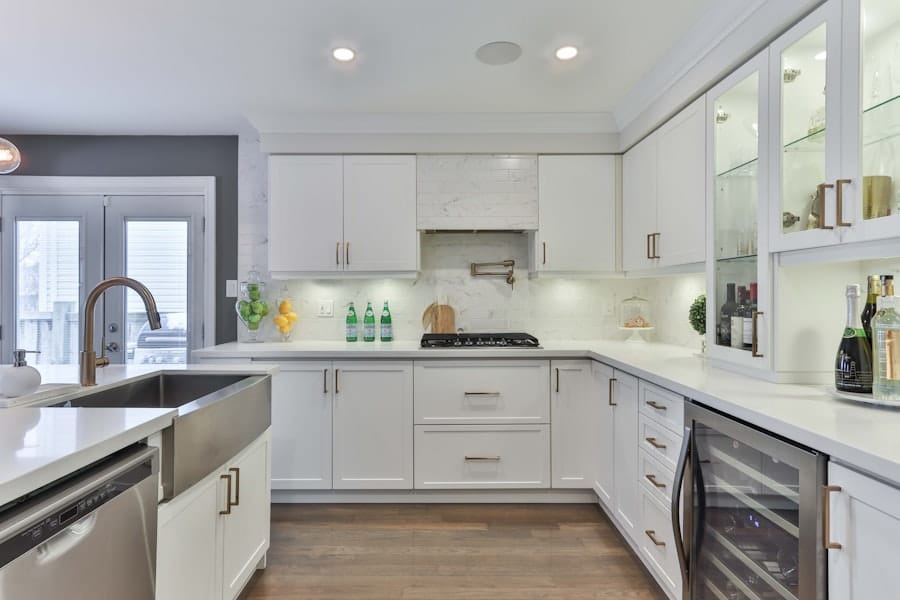
Countertops are another key element that can significantly influence both the functionality and appearance of your kitchen. The material you choose for your countertops will not only affect your budget but also impact how you use your kitchen on a daily basis. Popular options include granite, quartz, marble, laminate, and butcher block—each with its own unique characteristics and price points.
As you explore countertop options, consider how each material aligns with your cooking habits and lifestyle. For instance, if you frequently prepare meals or entertain guests, you may want to invest in durable materials that can withstand heavy use. On the other hand, if aesthetics are your primary concern, you might lean toward more visually striking options like marble or quartz.
Additionally, don’t forget to account for installation costs when budgeting for countertops; some materials require professional installation due to their weight or complexity. By carefully considering both functionality and aesthetics in your countertop selection, you can create a beautiful workspace that enhances your kitchen experience.
Flooring Costs
The flooring in your kitchen plays a vital role in both style and practicality. With so many options available—from tile and hardwood to laminate and vinyl—it’s essential to choose a material that complements your design vision while also standing up to daily wear and tear. Each flooring type comes with its own set of advantages and disadvantages; for example, tile is durable and water-resistant but can be cold underfoot, while hardwood offers warmth but may require more maintenance.
As you evaluate flooring options, consider factors such as durability, ease of cleaning, and comfort underfoot. If you have children or pets, you might prioritize materials that are resistant to scratches and stains. Additionally, think about how each flooring type will work with your overall design scheme; coordinating colors and textures can create a cohesive look throughout your kitchen.
Remember to include installation costs in your budget as well; some flooring types are easier to install than others, which could influence whether you choose to tackle this project yourself or hire a professional.
Additional Costs and Contingencies
Finally, as you navigate through the various costs associated with your kitchen renovation, it’s crucial to set aside funds for additional expenses and contingencies. Unexpected issues often arise during renovations—whether it’s discovering plumbing problems behind walls or needing to replace outdated electrical systems—so having a financial cushion can help alleviate stress when surprises occur. A good rule of thumb is to allocate around 10-20% of your total budget for contingencies.
This buffer allows you to address unforeseen challenges without derailing your entire project. Additionally, consider other potential costs such as decorative elements like lighting fixtures or backsplash tiles that may not have been included in your initial budget but are essential for completing the look of your kitchen. By planning for these additional expenses upfront, you can ensure that your renovation stays on track financially while still achieving the beautiful kitchen you’ve envisioned.
If you are interested in infusing regional architectural influences into your kitchen design, you may want to check out the article Embracing the Local Essence: Infusing Regional Architectural Influences into Modern Designs. This article explores how incorporating local elements can add a unique touch to your kitchen renovation project. For expert advice and services in South San Francisco, California, or Roseville, California, you can reach out to Better Home Contractor through their respective articles here and here.
FAQs
What is the average cost to build a kitchen?
The average cost to build a kitchen can vary widely depending on factors such as the size of the kitchen, the quality of materials used, and the location. However, a rough estimate for a mid-range kitchen remodel is around $25,000 to $50,000.
What factors can affect the cost of building a kitchen?
Several factors can affect the cost of building a kitchen, including the size of the kitchen, the quality of materials and appliances chosen, the complexity of the design, and the cost of labor in the local area.
What are some common expenses involved in building a kitchen?
Common expenses involved in building a kitchen include the cost of cabinets, countertops, flooring, appliances, lighting, plumbing, electrical work, and labor.
Are there ways to reduce the cost of building a kitchen?
There are several ways to reduce the cost of building a kitchen, such as choosing more affordable materials, doing some of the work yourself, and shopping around for the best deals on appliances and fixtures.
Is it possible to get an accurate cost estimate for building a kitchen?
It is possible to get an accurate cost estimate for building a kitchen by consulting with a professional contractor or kitchen designer who can provide a detailed breakdown of the expenses involved.


