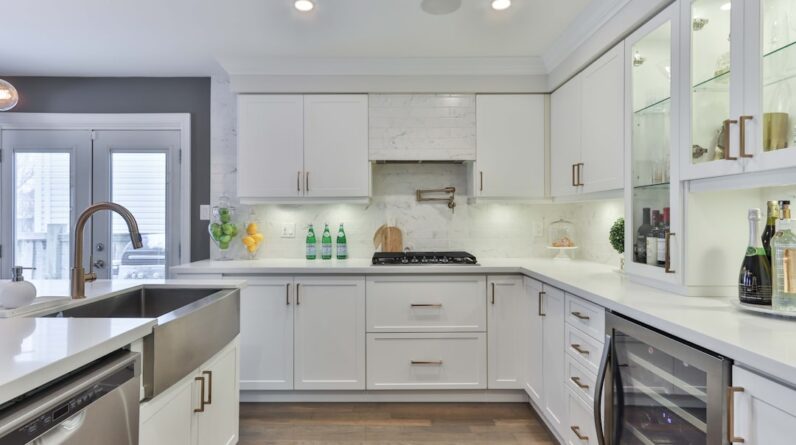
When embarking on a home renovation or upgrade project, the first step is to assess your needs and goals. You should take a moment to reflect on what you truly want to achieve with your renovation. Are you looking to increase the value of your home for a future sale, or are you aiming to create a more comfortable living space for your family?
Understanding your primary motivations will help you make informed decisions throughout the process. Consider the specific areas of your home that require attention. Is it the kitchen that feels outdated, or perhaps the bathroom that lacks functionality?
By identifying these key areas, you can focus your efforts where they will have the most significant impact. In addition to identifying specific needs, it’s essential to set clear goals. These goals should be both realistic and measurable.
For instance, if you want to enhance your home’s energy efficiency, you might set a goal to reduce your utility bills by a certain percentage within a year after completing the renovations. Alternatively, if you’re preparing your home for sale, your goal might be to increase its market value by a specific amount. By establishing these benchmarks, you can track your progress and ensure that your renovation aligns with your overall vision for your home.
Key Takeaways
- Assess your needs and goals before starting any home renovation project
- Set a realistic budget to avoid overspending and financial stress
- Understand the potential return on investment for each upgrade or renovation
- Prioritize upgrades and renovations based on your needs and long-term value
- Explore financing options and research cost-effective materials and appliances to save money
Setting a Realistic Budget
Once you have a clear understanding of your needs and goals, the next step is to set a realistic budget. This is often one of the most challenging aspects of any renovation project, as costs can quickly spiral out of control if not carefully managed. Start by determining how much you can afford to spend without compromising your financial stability.
It’s wise to consider not only the direct costs of materials and labor but also any potential hidden expenses that may arise during the renovation process. For example, if you’re planning to remodel a kitchen, you might encounter unexpected plumbing or electrical issues that could add to your overall costs. To create a comprehensive budget, break down your project into smaller components.
List out each area that requires work and estimate the costs associated with each one. This will give you a clearer picture of where your money will go and help you identify areas where you might be able to cut costs if necessary. Additionally, it’s prudent to set aside a contingency fund—typically around 10-20% of your total budget—to cover any unforeseen expenses that may arise during the renovation.
Understanding the Potential Return on Investment
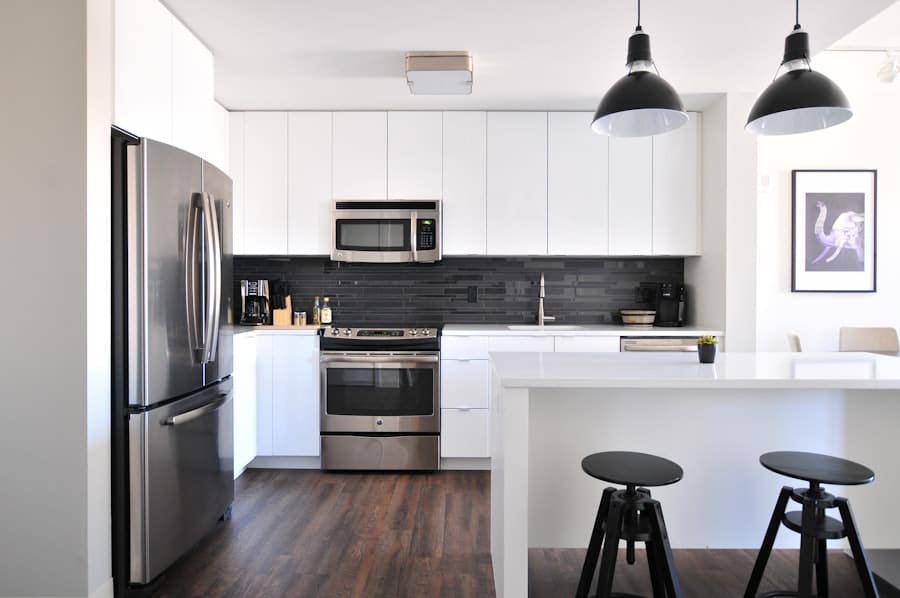
As you plan your renovation, it’s crucial to understand the potential return on investment (ROI) for the upgrades you’re considering. Not all renovations yield the same financial benefits, so it’s essential to research which projects are likely to provide the best returns in your specific market. For instance, kitchen and bathroom remodels often offer higher ROI compared to other types of renovations, making them popular choices for homeowners looking to increase their property value.
To gauge potential ROI, consider consulting with real estate professionals or conducting market research in your area. Look at recent sales data for homes similar to yours that have undergone renovations. This information can provide valuable insights into which upgrades are most appealing to buyers and how much value they add to a property.
By aligning your renovation choices with market trends, you can make more informed decisions that will benefit you in the long run.
Prioritizing Upgrades and Renovations
With a clear budget and an understanding of potential ROI, it’s time to prioritize your upgrades and renovations. Not all projects need to be tackled at once; in fact, it’s often more effective to approach renovations in phases. Start by identifying which upgrades will have the most significant impact on both your daily life and your home’s value.
For example, if your kitchen is outdated and inefficient, prioritizing a remodel in this area may enhance both functionality and aesthetics. Consider creating a timeline for your renovations based on urgency and importance. Some projects may need immediate attention due to safety concerns or wear and tear, while others can be postponed without significant consequences.
By organizing your renovations in this way, you can allocate resources more effectively and ensure that each project receives the attention it deserves.
Considering Long-Term Value
As you plan your renovations, it’s essential to think about long-term value rather than just short-term gains. While it may be tempting to choose trendy designs or materials that are currently popular, consider how these choices will hold up over time. Opting for timeless styles and durable materials can save you money in the long run by reducing the need for frequent repairs or replacements.
Additionally, think about how your renovations will accommodate future needs. If you plan to stay in your home for many years, consider how changes in lifestyle—such as starting a family or aging—might affect your space requirements. Designing with flexibility in mind can enhance both comfort and functionality over time, ensuring that your home remains a valuable asset for years to come.
Exploring Financing Options
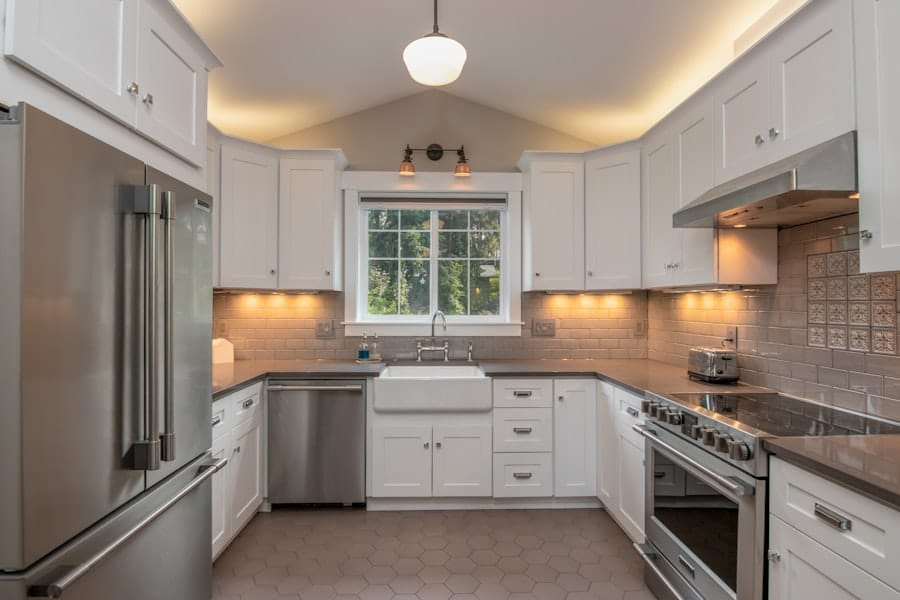
Financing is often a critical aspect of any renovation project, especially if you’re working with a limited budget. Fortunately, there are various financing options available that can help you fund your upgrades without straining your finances. One common approach is to take out a home equity loan or line of credit, which allows you to borrow against the equity you’ve built in your home.
This option typically offers lower interest rates compared to personal loans or credit cards. Another option is to explore government programs or grants designed to assist homeowners with renovations aimed at improving energy efficiency or accessibility. These programs can provide financial support while also helping you achieve long-term savings on utility bills or enhancing the livability of your home.
Be sure to research all available options thoroughly and choose the one that aligns best with your financial situation and renovation goals.
Researching Cost-Effective Materials and Appliances
When it comes to renovations, selecting cost-effective materials and appliances can significantly impact your overall budget without sacrificing quality or aesthetics. Start by researching various options available in the market; there are often alternatives that provide similar benefits at a fraction of the cost. For instance, laminate countertops can mimic the look of granite while being more affordable and easier to maintain.
Additionally, consider energy-efficient appliances that may have a higher upfront cost but will save you money on utility bills over time. Look for products with Energy Star ratings or other certifications that indicate their efficiency. By investing in these types of materials and appliances, you not only enhance the value of your home but also contribute positively to the environment.
Finally, as you navigate through your renovation journey, you’ll need to decide whether to hire professional help or take on some projects yourself. While DIY approaches can save money and provide a sense of accomplishment, they also come with risks—especially if you’re not experienced in construction or design work. Assess your skills honestly; if a project requires specialized knowledge or tools that you don’t possess, it may be worth hiring professionals who can ensure quality results.
On the other hand, there are many smaller projects that you can tackle yourself with some research and effort. Painting walls, landscaping, or even installing simple fixtures can be manageable tasks for most homeowners. Weighing the pros and cons of each approach will help you determine where professional assistance is necessary and where you can save money by doing it yourself.
In conclusion, embarking on a home renovation journey requires careful planning and consideration at every stage—from assessing needs and setting budgets to prioritizing upgrades and exploring financing options. By taking the time to understand each aspect of the process, you can make informed decisions that not only enhance your living space but also contribute positively to your home’s long-term value. Whether you’re looking for immediate comfort or planning for future resale, these steps will guide you toward achieving successful renovations tailored to your unique goals.
If you are considering investing in your kitchen, you may also want to read about the services offered by Better Home Contractor in Berkeley, California. They specialize in home renovations and can help you transform your kitchen into the space of your dreams. Check out their website here for more information on how they can help you achieve the kitchen you’ve always wanted.
FAQs
What factors should I consider when deciding how much to invest in my kitchen?
When deciding how much to invest in your kitchen, consider factors such as the current condition of your kitchen, your budget, the value of your home, and your long-term plans for the property.
What are the average costs of a kitchen renovation?
The average cost of a kitchen renovation can vary widely depending on the scope of the project, but a minor renovation can cost around $10,000 to $15,000, while a major renovation can cost $50,000 or more.
How much should I invest in my kitchen if I plan to sell my home?
If you plan to sell your home, it’s recommended to invest around 5-15% of the home’s value into the kitchen renovation. This can help increase the resale value and appeal of your home to potential buyers.
What are some cost-effective ways to improve my kitchen?
Some cost-effective ways to improve your kitchen include painting the cabinets, updating the hardware, replacing the countertops, and adding new lighting fixtures. These updates can make a big impact without breaking the bank.
Should I invest in high-end appliances for my kitchen?
Investing in high-end appliances can add value to your kitchen and home, but it’s important to consider your budget and the overall value of your home. If you plan to stay in your home long-term, high-end appliances can be a worthwhile investment.