
When you embark on the journey of creating an outdoor kitchen, the first step is to carefully plan your space. You need to consider the layout and how it will integrate with your existing outdoor environment. Start by assessing the area you have available.
Is it a spacious patio, a cozy balcony, or a sprawling backyard? Understanding the dimensions and shape of your space will help you visualize how your outdoor kitchen can fit in seamlessly. You should also think about the proximity to your indoor kitchen, as this can significantly affect the flow of cooking and serving.
Next, consider the orientation of your outdoor kitchen. The direction of sunlight, prevailing winds, and even the view can influence your design. You might want to position your kitchen to take advantage of natural light while also providing shade during the hottest parts of the day.
Additionally, think about how you will navigate between cooking, dining, and entertaining areas. A well-planned layout will not only enhance functionality but also create an inviting atmosphere for family and friends to gather.
Key Takeaways
- Plan your outdoor kitchen space by considering the layout, size, and location to ensure it meets your cooking and entertaining needs.
- Choose the right appliances and equipment that are suitable for outdoor use and can withstand various weather conditions.
- Design your outdoor kitchen for functionality and efficiency by organizing the workspace and creating easy access to cooking and dining areas.
- Select durable and weather-resistant materials for countertops, cabinets, and flooring to ensure longevity and low maintenance.
- Incorporate stylish and comfortable seating options for dining and lounging, and consider adding shade and lighting for added comfort and ambiance.
Choosing the Right Appliances and Equipment
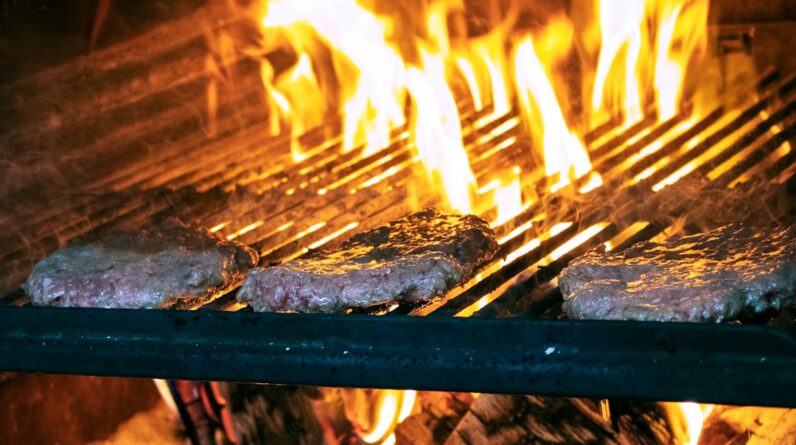
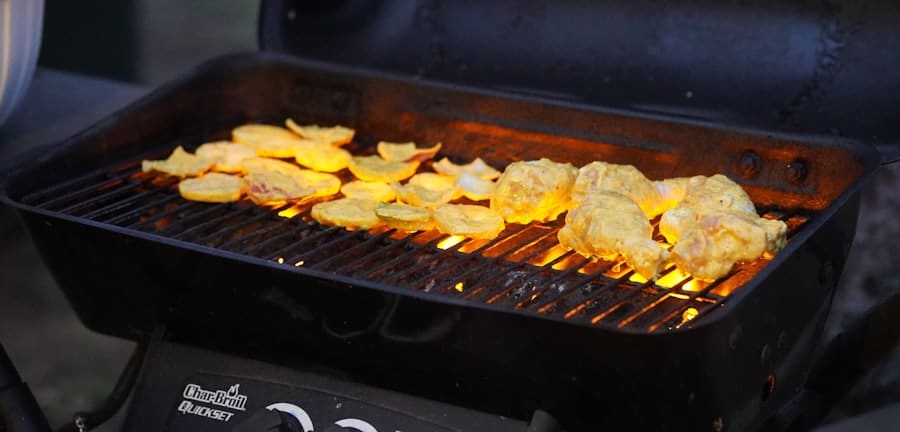
Once you have a solid plan for your outdoor kitchen space, it’s time to select the right appliances and equipment that will meet your culinary needs. The choices you make here can greatly impact your cooking experience. Start with the essentials: a grill is often the centerpiece of any outdoor kitchen.
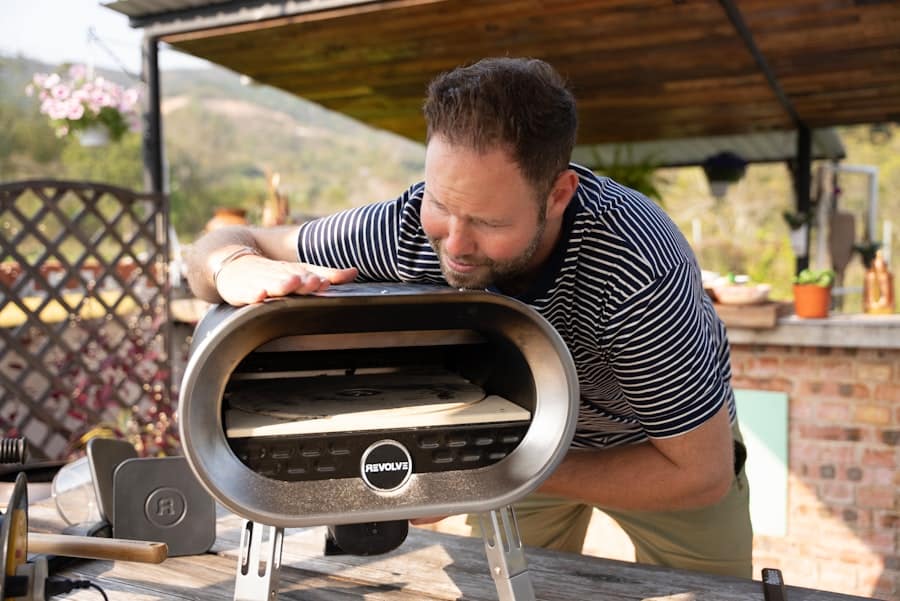
Whether you prefer gas, charcoal, or electric, choose a grill that suits your cooking style and frequency of use. Consider additional cooking appliances like pizza ovens, smokers, or side burners that can expand your culinary repertoire. In addition to cooking appliances, don’t overlook refrigeration options.
An outdoor refrigerator or cooler can keep beverages and ingredients close at hand, making it easier to entertain guests without constant trips back indoors. You might also want to invest in a sink for easy cleanup and food preparation. When selecting appliances, prioritize durability and weather resistance, as outdoor conditions can be harsh on equipment.
Look for stainless steel finishes and high-quality materials that can withstand the elements while maintaining their functionality.
Designing for Functionality and Efficiency
Designing your outdoor kitchen with functionality and efficiency in mind is crucial for creating a space that you will enjoy using. Think about the work triangle concept used in indoor kitchens, which emphasizes the relationship between the sink, stove, and refrigerator. In your outdoor kitchen, ensure that these key components are positioned within easy reach of one another to streamline your cooking process.
This layout will allow you to move effortlessly between tasks, whether you’re grilling steaks or preparing salads. Moreover, consider incorporating ample counter space for food preparation and serving. A large island or bar area can serve multiple purposes: it can be a prep station, a serving area, or even a casual dining spot.
Storage is another essential aspect of functionality; include cabinets or shelves to keep utensils, cookware, and other essentials organized and easily accessible. By focusing on these elements, you’ll create an outdoor kitchen that not only looks great but also enhances your cooking experience.
Selecting Durable and Weather-Resistant Materials
The materials you choose for your outdoor kitchen play a significant role in its longevity and maintenance. Since this space will be exposed to various weather conditions, selecting durable and weather-resistant materials is paramount. Stainless steel is a popular choice for appliances due to its resistance to rust and corrosion.
It not only looks sleek but also stands up well against rain and humidity. For countertops, consider materials like granite or quartz that are not only aesthetically pleasing but also highly durable. These surfaces can withstand heat and are easy to clean, making them ideal for outdoor use.
When it comes to flooring, opt for materials that are slip-resistant and can endure exposure to moisture. Pavers, tiles, or treated wood can provide both functionality and style while ensuring safety for you and your guests.
Incorporating Stylish and Comfortable Seating
An outdoor kitchen is not just about cooking; it’s also about creating a welcoming environment for socializing and relaxation. Incorporating stylish and comfortable seating is essential for enhancing the overall experience of your outdoor space. Consider various seating options such as bar stools at an island, lounge chairs near the grill, or even a dining table set up for larger gatherings.
The key is to create a layout that encourages conversation and interaction among guests. When selecting seating, prioritize comfort as well as style. Look for cushions made from weather-resistant fabrics that can withstand sun exposure and rain while still providing comfort during long gatherings.
You might also want to incorporate shade options like umbrellas or pergolas to ensure that seating areas remain comfortable even on hot days. By thoughtfully designing your seating arrangements, you’ll create an inviting atmosphere that encourages friends and family to linger longer.
Creating a Versatile Cooking and Dining Area
To maximize the utility of your outdoor kitchen, it’s important to create a versatile cooking and dining area that can adapt to various occasions. This means considering how the space will function for both casual family meals and larger gatherings with friends. A multi-functional island can serve as both a prep area while cooking and a dining spot when entertaining guests.
You might also want to include a built-in bar or beverage station to keep drinks accessible during gatherings. Flexibility is key in this design phase; consider incorporating movable furniture or modular seating arrangements that can be easily reconfigured based on the number of guests or type of event. Additionally, think about lighting options that can enhance the ambiance during evening gatherings.
String lights or built-in LED fixtures can create a warm atmosphere while ensuring that the space remains functional after sunset. By designing with versatility in mind, you’ll ensure that your outdoor kitchen serves as a hub for all types of gatherings.
Adding Personal Touches and Decor
Your outdoor kitchen should reflect your personal style and taste, making it feel like an extension of your home rather than just another cooking space. Adding personal touches through decor can transform your outdoor kitchen into a unique oasis that showcases your personality. Consider incorporating decorative elements such as colorful dishware, potted plants, or artwork that resonates with you.
You might also want to think about incorporating themed decor that aligns with your culinary interests—perhaps Mediterranean-inspired tiles if you love Italian cuisine or vibrant colors if you enjoy hosting summer barbecues. Lighting fixtures can also serve as decorative elements; choose fixtures that complement your overall design while providing adequate illumination for cooking and dining areas. By infusing your personality into the decor, you’ll create an inviting atmosphere that feels uniquely yours.
Maximizing Outdoor Entertaining Potential
Finally, to truly maximize the potential of your outdoor kitchen for entertaining, consider how you can enhance the overall experience for your guests. This could involve integrating technology such as outdoor speakers for music or even a television for watching games while grilling. Creating distinct zones within your outdoor space—such as cooking areas separate from dining areas—can help facilitate smooth transitions between different activities.
Additionally, think about incorporating features like fire pits or outdoor heaters to extend the usability of your space into cooler months. These elements not only provide warmth but also create a cozy atmosphere for evening gatherings under the stars. By thoughtfully considering these aspects of entertaining in your outdoor kitchen, you’ll ensure that it becomes a beloved gathering spot for friends and family throughout the year.
In conclusion, planning an outdoor kitchen involves careful consideration of various elements—from layout and appliances to materials and decor. By focusing on functionality, durability, comfort, and personal style, you can create an inviting space that enhances both cooking and entertaining experiences. With thoughtful design choices, your outdoor kitchen will become a cherished area where memories are made over delicious meals shared with loved ones.
If you’re looking to create the ultimate outdoor kitchen space, you may want to consider hiring a professional contractor to help bring your vision to life. Better Home Contractor offers services in Fort Worth, Texas, San Diego, California, and Jonesboro, Arkansas, to help homeowners design and build their dream outdoor living spaces. With their expertise and experience, they can help you create a functional and stylish outdoor kitchen that will be the envy of all your friends and family. Check out their website 0 ){ var maf_after_1st_p_data = ''; var maf_after_2nd_p_data = ''; var maf_after_3rd_p_data = ''; var maf_after_4th_p_data = ''; var maf_after_5th_p_data = ''; var maf_after_6th_p_data = ''; var maf_after_7th_p_data = ''; var maf_after_8th_p_data = ''; var maf_after_9th_p_data = ''; var maf_after_10th_p_data = ''; var maf_after_every_p_data = ''; var maf_after_last_p_data = ''; } $ = jQuery; $(document).ready(function(){ if(maf_footer_data.trim() !== ''){ $('footer').append(maf_footer_data); } if(maf_after_footer_data.trim() !== ''){ $('footer').after(maf_after_footer_data); } if(maf_above_footer_data.trim() !== ''){ $('footer').before(maf_above_footer_data); } if(maf_above_post_title_data.trim() !== ''){ $('.entry-title')[0].before(maf_above_post_title_data); } if(maf_below_post_title_data.trim() !== ''){ $('.entry-title')[0].after(maf_below_post_title_data); } if(typeof $(all_p)[0] !== typeof undefined && maf_after_1st_p_data.trim() !== ''){ $(all_p)[0].append(maf_after_1st_p_data); } if(typeof $(all_p)[1] !== typeof undefined && maf_after_2nd_p_data.trim() !== ''){ $(all_p)[1].append(maf_after_2nd_p_data); } if(typeof $(all_p)[2] !== typeof undefined && maf_after_3rd_p_data.trim() !== ''){ $(all_p)[2].append(maf_after_3rd_p_data); } if(typeof $(all_p)[3] !== typeof undefined && maf_after_4th_p_data.trim() !== ''){ $(all_p)[3].append(maf_after_4th_p_data); } if(typeof $(all_p)[4] !== typeof undefined && maf_after_5th_p_data.trim() !== ''){ $(all_p)[4].append(maf_after_5th_p_data); } if(typeof $(all_p)[5] !== typeof undefined && maf_after_6th_p_data.trim() !== ''){ $(all_p)[5].append(maf_after_6th_p_data); } if(typeof $(all_p)[6] !== typeof undefined && maf_after_7th_p_data.trim() !== ''){ $(all_p)[6].append(maf_after_7th_p_data); } if(typeof $(all_p)[7] !== typeof undefined && maf_after_8th_p_data.trim() !== ''){ $(all_p)[7].append(maf_after_8th_p_data); } if(typeof $(all_p)[8] !== typeof undefined && maf_after_9th_p_data.trim() !== ''){ $(all_p)[8].append(maf_after_9th_p_data); } if(typeof $(all_p)[9] !== typeof undefined && maf_after_10th_p_data.trim() !== ''){ $(all_p)[9].append(maf_after_10th_p_data); } $(all_p).each(function(i,v){ if(maf_after_every_p_data.trim() !== ''){ $(v).append(maf_after_every_p_data); } }); if(typeof $(all_p).last() !== typeof undefined && maf_after_last_p_data.trim() !== ''){ $(all_p).last()[0].append(maf_after_last_p_data); } });