Outdoor cooking offers a unique experience that transcends the mere act of preparing food. When you step outside to grill, smoke, or roast, you engage with nature in a way that indoor cooking simply cannot replicate. The fresh air invigorates your senses, and the sounds of nature create a soothing backdrop as you work.
This connection to the outdoors can enhance your mood and make the cooking process feel more like a joyful event rather than a chore. You may find that the flavors of your meals are heightened by the outdoor environment, as the natural elements can infuse your dishes with a distinct character. Moreover, outdoor cooking often encourages social interaction.
Whether you’re hosting a barbecue for friends or preparing a family meal, the outdoor setting fosters a communal atmosphere. People gather around the grill, sharing stories and laughter while waiting for their food to cook. This social aspect can strengthen relationships and create lasting memories.
Additionally, cooking outdoors can inspire creativity; you might experiment with new recipes or techniques that you wouldn’t typically try in your kitchen. The freedom to explore different culinary styles can lead to delightful surprises and broaden your culinary repertoire.
Key Takeaways
- Outdoor cooking allows for a unique and enjoyable culinary experience, bringing people together and creating lasting memories.
- When designing your outdoor kitchen, consider factors such as space, layout, and functionality to create a practical and inviting cooking area.
- Essential equipment for outdoor cooking includes a grill, smoker, outdoor oven, and food preparation surfaces to accommodate various cooking methods.
- Choosing the right fuel for your outdoor kitchen depends on factors such as convenience, flavor, and environmental impact, with options including gas, charcoal, and wood.
- Safety tips for outdoor cooking include proper food handling, fire safety, and equipment maintenance to ensure a safe and enjoyable cooking experience.
Designing Your Outdoor Kitchen
When it comes to designing your outdoor kitchen, the possibilities are nearly endless. You should start by considering your available space and how you envision using it. Think about the layout that will best suit your cooking style and entertaining needs.
A well-planned outdoor kitchen can include everything from a simple grill setup to a fully equipped space with countertops, sinks, and storage. You might want to incorporate elements like a bar area or seating to create a welcoming environment for guests. In addition to functionality, aesthetics play a crucial role in your outdoor kitchen design.
You can choose materials that complement your home’s architecture and landscaping. Natural stone, wood, and stainless steel are popular choices that not only look great but also withstand the elements. Lighting is another important consideration; well-placed fixtures can enhance the ambiance and allow you to enjoy your outdoor kitchen even after the sun sets.
By thoughtfully combining practicality with visual appeal, you can create an outdoor kitchen that is both beautiful and functional.
Essential Equipment for Outdoor Cooking

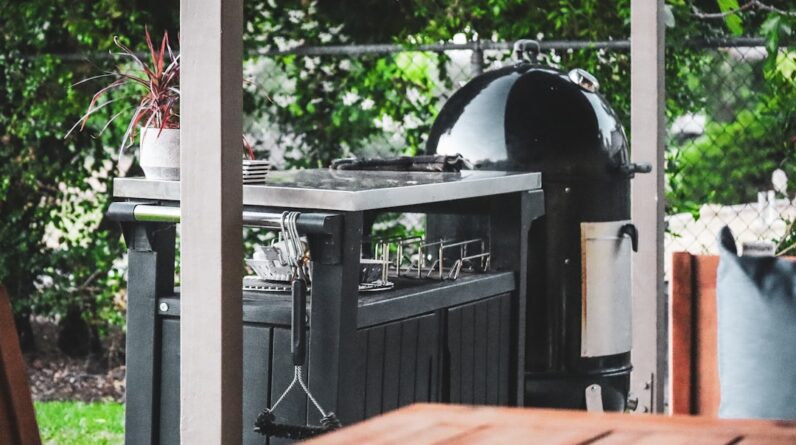
Equipping your outdoor kitchen with the right tools is essential for achieving culinary success. At the very least, you’ll need a reliable grill, whether it’s gas, charcoal, or electric. Each type has its own advantages; gas grills offer convenience and quick heat-up times, while charcoal grills provide that classic smoky flavor that many enthusiasts crave.
You might also consider investing in a smoker if you enjoy slow-cooked meats infused with rich flavors. Beyond the grill, there are several other pieces of equipment that can elevate your outdoor cooking experience. A good set of utensils is crucial; long-handled tongs, spatulas, and brushes will help you manage food safely over high heat.
Additionally, having a cutting board and sharp knives on hand will make food prep easier. Don’t forget about accessories like pizza stones or rotisserie kits that can expand your cooking options. By carefully selecting your equipment, you can ensure that you’re well-prepared for any culinary adventure.
Choosing the Right Fuel for Your Outdoor Kitchen
The choice of fuel for your outdoor kitchen can significantly impact both the cooking process and the flavor of your food. If you opt for a gas grill, propane or natural gas will be your primary fuel sources. Gas grills are known for their ease of use and quick temperature control, making them ideal for weeknight meals or impromptu gatherings.
However, if you’re looking for that authentic barbecue flavor, charcoal may be the way to go. Charcoal grills require a bit more time and attention but reward you with a depth of flavor that many grill enthusiasts cherish. Wood pellets are another option worth considering, especially if you’re interested in smoking meats or adding unique flavors to your dishes.
Pellet grills combine the convenience of gas with the flavor profile of charcoal and wood smoke. You can experiment with different types of wood pellets—such as hickory, mesquite, or applewood—to create distinct tastes in your meals. Ultimately, the right fuel choice will depend on your cooking style and flavor preferences, so take some time to explore what works best for you.
Safety Tips for Outdoor Cooking
While outdoor cooking can be a delightful experience, it’s essential to prioritize safety to ensure that everyone enjoys their time without incident. First and foremost, always keep a fire extinguisher nearby when grilling or using open flames. Accidents can happen quickly, so being prepared is crucial.
Additionally, make sure to keep flammable materials—such as paper towels or cooking oils—away from heat sources to prevent fires. Another important safety consideration is food handling. Just as you would indoors, ensure that you practice proper hygiene when preparing food outside.
Wash your hands frequently and use separate cutting boards for raw meats and vegetables to avoid cross-contamination. It’s also wise to keep perishable items in coolers or insulated bags until you’re ready to cook them. By following these safety tips, you can enjoy outdoor cooking with peace of mind.
Planning Your Outdoor Cooking Space
Planning your outdoor cooking space involves more than just choosing equipment; it requires thoughtful consideration of how you want to use the area. Start by determining how often you plan to cook outdoors and what types of meals you’ll be preparing. If you envision hosting large gatherings frequently, you may want to design a more extensive kitchen setup with ample seating and counter space for food prep.
Consider the flow of movement in your outdoor kitchen as well. You’ll want to ensure that there’s enough room for people to move around comfortably while cooking and entertaining. Think about how close your cooking area should be to dining spaces; having them in proximity can make serving meals easier and more enjoyable.
By carefully planning your outdoor cooking space, you can create an environment that enhances both functionality and enjoyment.
Tips for Creating Delicious Outdoor Meals
Creating delicious outdoor meals is an art that combines technique with creativity. One effective approach is to marinate your proteins before grilling; this not only adds flavor but also helps tenderize tougher cuts of meat. Experiment with different marinades—ranging from citrus-based to herb-infused—to discover what tantalizes your taste buds most.
Don’t overlook the power of fresh ingredients when cooking outdoors. Visit local farmers’ markets or grocery stores to find seasonal produce that can elevate your dishes. Grilled vegetables can be a delightful side dish or even the star of the meal when seasoned properly and cooked over an open flame.
Additionally, consider incorporating herbs from your garden into your recipes; fresh herbs can add brightness and depth to any dish.
Maintenance and Care for Your Outdoor Kitchen
To keep your outdoor kitchen in top shape, regular maintenance is essential. Start by cleaning your grill after each use; this prevents grease buildup and ensures optimal performance during future cookouts. Use a grill brush to scrub grates while they’re still warm, making it easier to remove residue.
In addition to cleaning the grill, pay attention to other components of your outdoor kitchen as well. If you have countertops made from stone or wood, be sure to protect them from harsh weather conditions by applying sealants as needed. Regularly check for any signs of wear or damage in appliances and fixtures; addressing these issues promptly can save you time and money in the long run.
By committing to maintenance and care, you’ll ensure that your outdoor kitchen remains a source of joy for years to come. In conclusion, outdoor cooking is not just about preparing meals; it’s an experience that brings people together while allowing for creativity and exploration in the culinary arts. By understanding its benefits, designing an inviting space, equipping yourself with essential tools, choosing the right fuel, prioritizing safety, planning effectively, creating delicious meals, and maintaining your kitchen properly, you can fully embrace the joys of cooking outdoors.
So gather your friends and family, fire up the grill, and let the flavors of nature inspire your next culinary adventure!
If you’re looking to take your outdoor cooking experience to the next level, consider hiring a professional contractor to help you create the outdoor kitchen of your dreams. Better Home Contractor offers services in various locations, including Warner Robins, Georgia, Dallas, Texas, and Harlingen, Texas. With their expertise and experience, they can help you design and build a functional and beautiful outdoor kitchen that will enhance your cooking and entertaining experience.
FAQs
What are the benefits of having an outdoor kitchen?
An outdoor kitchen allows you to enjoy cooking and dining al fresco, making it a great space for entertaining and socializing. It also helps to keep the heat and mess of cooking outside, and can increase the value of your home.
What are the essential components of an outdoor kitchen?
An outdoor kitchen typically includes a grill, countertop space for food preparation, storage for utensils and cooking equipment, and seating/dining area. Additional features may include a sink, refrigerator, and outdoor lighting.
What are the different types of outdoor cooking equipment available?
Outdoor cooking equipment includes gas grills, charcoal grills, smokers, pizza ovens, and outdoor stovetops. Each type of equipment offers different cooking methods and flavors.
What materials are commonly used for outdoor kitchen countertops and cabinets?
Common materials for outdoor kitchen countertops include granite, concrete, tile, and stainless steel. For cabinets, materials such as stainless steel, teak, and marine-grade polymer are popular due to their durability and resistance to outdoor elements.
What are some important considerations when designing an outdoor kitchen?
When designing an outdoor kitchen, it’s important to consider the layout, functionality, and flow of the space. Factors such as the climate, local building codes, and available utilities (such as gas, water, and electricity) should also be taken into account.
How can I maintain and care for my outdoor kitchen equipment?
Regular cleaning and maintenance of outdoor kitchen equipment is essential to ensure its longevity and performance. This includes cleaning the grill grates, checking gas lines, and protecting surfaces from the elements. Covering equipment when not in use can also help to prolong its lifespan.