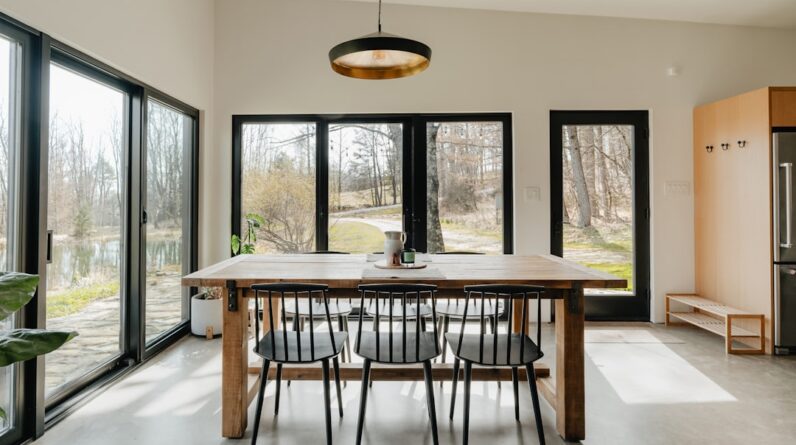
When you envision your ideal outdoor kitchen, the flooring is likely one of the first elements that come to mind. The right flooring not only enhances the aesthetic appeal of your space but also plays a crucial role in functionality and safety. As you embark on this journey to create an outdoor culinary haven, it’s essential to consider various flooring options that can withstand the elements while providing a comfortable and inviting atmosphere.
From stone to tile, wood to concrete, each material offers unique benefits and challenges that can significantly impact your outdoor cooking experience. Choosing the right flooring for your outdoor kitchen is more than just a design decision; it’s about creating a space that is both practical and enjoyable. You want a surface that complements your home’s architecture while being durable enough to handle spills, heat, and foot traffic.
As you explore the various options available, think about how each material aligns with your lifestyle, maintenance preferences, and overall vision for your outdoor kitchen. This article will guide you through the most popular flooring choices, helping you make an informed decision that suits your needs.
Key Takeaways
- Outdoor kitchen flooring should be durable, weather-resistant, and easy to clean.
- Stone surfaces like granite and slate are popular choices for outdoor kitchen flooring due to their durability and natural beauty.
- Tile options for outdoor kitchen flooring include porcelain, ceramic, and natural stone, offering a wide range of colors and styles.
- Wood decking can create a warm and inviting look for outdoor kitchens, but it requires regular maintenance to prevent weathering and rot.
- Concrete and pavers are versatile options for outdoor kitchen flooring, offering durability and a variety of design possibilities.
Stone Surfaces for Outdoor Kitchens
Stone surfaces are a timeless choice for outdoor kitchens, offering a blend of natural beauty and durability. When you think of stone, materials like granite, slate, and limestone may come to mind. Each type of stone has its unique characteristics, allowing you to select one that fits your aesthetic preferences and functional requirements.
For instance, granite is known for its resilience and resistance to heat, making it an excellent option for areas near grills or ovens. On the other hand, slate provides a more rustic look with its rich colors and textures, perfect for creating a cozy outdoor atmosphere. In addition to their visual appeal, stone surfaces are also relatively low-maintenance.
They can withstand harsh weather conditions without fading or cracking, ensuring that your outdoor kitchen remains beautiful for years to come. However, it’s essential to consider the installation process, as stone can be heavy and may require professional assistance. Additionally, sealing the stone periodically will help protect it from stains and moisture damage, ensuring that your investment remains intact over time.
Tile Options for Outdoor Kitchen Flooring
Tile is another versatile option for outdoor kitchen flooring that offers a wide range of styles, colors, and patterns. When you choose tile, you have the opportunity to express your creativity and personalize your space. Porcelain and ceramic tiles are particularly popular due to their durability and resistance to moisture.
These materials can mimic the look of natural stone or wood while providing a more affordable alternative. You can create intricate designs or opt for simple, classic patterns that enhance the overall aesthetic of your outdoor kitchen. One of the significant advantages of tile is its ease of cleaning.
Spills are easily wiped away, and the surface does not absorb stains as readily as some other materials. Additionally, tile can be installed over existing surfaces, making it a practical choice for renovations or upgrades. However, it’s important to consider the grout lines when selecting tile; they can be prone to staining if not properly sealed.
Choosing larger tiles can minimize grout lines and create a more seamless look while also reducing maintenance efforts.
Wood Decking for Outdoor Kitchens
Wood decking brings warmth and natural beauty to outdoor kitchens, creating an inviting atmosphere for cooking and entertaining. If you appreciate the charm of wood, options like teak, cedar, or composite materials can provide the perfect foundation for your culinary space. Teak is particularly renowned for its resistance to moisture and insects, making it an excellent choice for outdoor environments.
Cedar offers a beautiful grain pattern and natural aroma while being lightweight and easy to work with. While wood decking can create a stunning visual impact, it does require more maintenance than some other flooring options. Regular sealing and staining are necessary to protect the wood from weathering and fading over time.
Additionally, you’ll want to ensure proper drainage to prevent water pooling on the surface, which can lead to warping or mold growth. Despite these considerations, many homeowners find that the aesthetic appeal and comfort of wood decking far outweigh the maintenance efforts.
Concrete and Pavers for Outdoor Kitchen Surfaces
Concrete is a highly versatile material that can be customized in various ways to suit your outdoor kitchen design. Whether you prefer a sleek modern look or a more rustic finish, concrete can be stained, stamped, or textured to achieve your desired aesthetic. One of the significant benefits of concrete is its durability; it can withstand heavy foot traffic and resist damage from heat or spills.
Additionally, concrete surfaces are relatively easy to clean and maintain. Pavers are another excellent option for outdoor kitchen surfaces. Made from materials like brick or stone, pavers offer a unique charm while providing excellent drainage capabilities.
They come in various shapes and sizes, allowing you to create intricate patterns or simple layouts that enhance your outdoor space’s overall design. While pavers may require occasional resetting due to shifting over time, their durability makes them a worthwhile investment for any outdoor kitchen.
Considerations for Outdoor Kitchen Flooring
As you explore different flooring options for your outdoor kitchen, several factors should guide your decision-making process. First and foremost is climate; consider how weather conditions in your area will affect the longevity and performance of each material. For instance, if you live in an area with extreme temperatures or heavy rainfall, you’ll want to choose materials that can withstand these conditions without deteriorating.
Another critical consideration is safety. Outdoor kitchens often involve cooking equipment that generates heat or spills liquids; therefore, selecting flooring with slip-resistant properties is essential. Textured surfaces can provide better traction and reduce the risk of accidents when wet.
Additionally, think about how much foot traffic your outdoor kitchen will experience; some materials may be more prone to wear and tear than others under heavy use.
Maintenance and Durability of Outdoor Kitchen Flooring
The maintenance requirements of your chosen flooring material will play a significant role in its long-term durability and appearance. For instance, while stone surfaces may require periodic sealing to prevent stains, tile floors may need grout maintenance to keep them looking fresh. Wood decking will demand regular sealing and staining to protect against moisture damage and fading from UV exposure.
Concrete surfaces are generally low-maintenance but may require resealing every few years to maintain their appearance and prevent cracking. Pavers may need occasional resetting if they shift over time but are otherwise durable and easy to clean. Understanding these maintenance needs will help you choose a flooring option that aligns with your lifestyle and willingness to invest time in upkeep.
Finding the Best Outdoor Kitchen Flooring for Your Space
In conclusion, selecting the best flooring for your outdoor kitchen involves careful consideration of various factors including aesthetics, durability, maintenance requirements, and safety features. Each material—be it stone, tile, wood decking, concrete, or pavers—offers unique advantages that can enhance your outdoor cooking experience. As you weigh your options, think about how each choice aligns with your personal style and practical needs.
Ultimately, the right flooring will not only elevate the visual appeal of your outdoor kitchen but also create a functional space where you can enjoy cooking and entertaining with family and friends. Take your time exploring different materials and designs until you find the perfect fit for your outdoor culinary oasis. With thoughtful planning and consideration, you can create an outdoor kitchen that reflects your personality while providing a durable foundation for years of enjoyment.
If you’re looking for more home improvement inspiration, check out this article from Better Home Contractor on stylish and practical outdoor kitchen flooring and surface materials. They offer expert advice on creating a functional and beautiful outdoor space that will enhance your home’s value and appeal. Visit Better Home Contractor for more tips and ideas on transforming your outdoor living area.
FAQs
What are some popular outdoor kitchen flooring materials?
Some popular outdoor kitchen flooring materials include concrete, natural stone, porcelain tile, and brick pavers. These materials are durable and can withstand outdoor elements.
What are the benefits of using natural stone for outdoor kitchen flooring?
Natural stone, such as granite or slate, is a popular choice for outdoor kitchen flooring due to its durability, natural beauty, and resistance to heat and moisture. It also adds a luxurious and stylish look to the outdoor kitchen.
Is porcelain tile a practical choice for outdoor kitchen flooring?
Yes, porcelain tile is a practical choice for outdoor kitchen flooring as it is resistant to stains, scratches, and moisture. It is also available in a wide range of colors and patterns, making it a stylish option for outdoor kitchens.
What are the advantages of using brick pavers for outdoor kitchen flooring?
Brick pavers are a popular choice for outdoor kitchen flooring due to their classic and timeless look. They are also durable, slip-resistant, and easy to maintain, making them a practical option for outdoor kitchens.
Are there any eco-friendly options for outdoor kitchen flooring?
Yes, there are eco-friendly options for outdoor kitchen flooring, such as reclaimed wood, bamboo, or recycled composite materials. These materials are sustainable and can add a unique and stylish touch to the outdoor kitchen.