
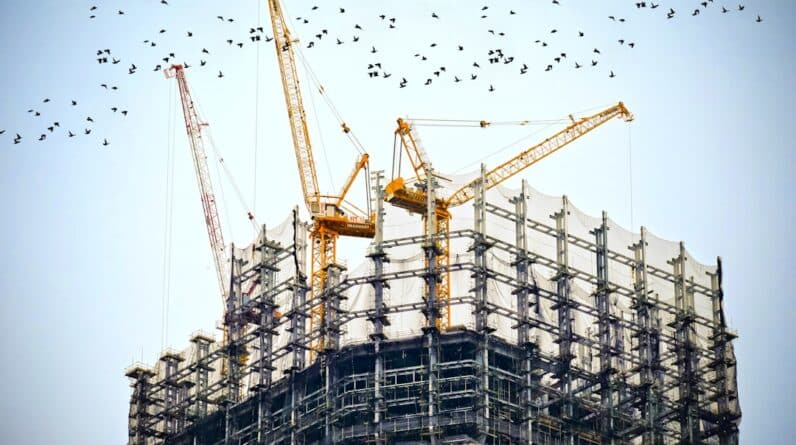
When embarking on a construction project, one of the first steps you must take is to familiarize yourself with local building codes and regulations. These codes are established by local governments to ensure safety, health, and welfare standards are met in the construction and occupancy of buildings. They can vary significantly from one municipality to another, so it’s crucial that you take the time to research the specific codes that apply to your project.
This may involve reviewing documents available through your local building department or consulting with professionals who have experience navigating these regulations. Understanding these codes is not just about compliance; it’s also about ensuring that your project is built to last. Building codes cover a wide range of topics, including structural integrity, fire safety, electrical systems, plumbing, and energy efficiency.
By adhering to these regulations, you not only protect yourself from potential legal issues but also contribute to the overall safety and sustainability of your community. Engaging with local officials early in the planning process can provide valuable insights and help you avoid costly mistakes down the line.
Key Takeaways
- Understanding local building codes and regulations is crucial for ensuring compliance and avoiding costly mistakes during construction.
- Conducting a site survey and analysis helps in understanding the topography, soil conditions, and other factors that may impact the construction process.
- Obtaining necessary permits and approvals from the local authorities is essential before starting any construction project.
- Implementing proper erosion control measures is important for preventing soil erosion and protecting the surrounding environment.
- Ensuring proper drainage and grading helps in managing stormwater and preventing water-related issues on the construction site.
- Addressing environmental impact and protection is important for minimizing the negative effects of construction on the environment.
- Compliance with zoning and land-use regulations is necessary to ensure that the construction project aligns with the local development plans and regulations.
- Regular inspections and compliance checks are important for ensuring that the construction project continues to meet all the necessary regulations and standards.
Conducting a Site Survey and Analysis
Once you have a grasp of the local building codes, the next step is to conduct a thorough site survey and analysis. This process involves assessing the physical characteristics of the land where you plan to build. You’ll want to evaluate factors such as topography, soil composition, existing vegetation, and any potential environmental concerns.
A comprehensive site survey will help you understand the unique challenges and opportunities presented by your chosen location. In addition to physical characteristics, consider any historical or cultural significance associated with the site. This can influence not only your design choices but also the permitting process.
Engaging with professionals such as land surveyors or environmental consultants can provide you with detailed insights that are essential for making informed decisions. By taking the time to analyze your site thoroughly, you can develop a design that harmonizes with its surroundings while also addressing any potential issues before they become major obstacles.
Obtaining Necessary Permits and Approvals
With a solid understanding of local codes and a comprehensive site analysis in hand, you are now ready to navigate the often complex world of permits and approvals. Depending on the scope of your project, you may need various permits from different agencies, including building permits, zoning permits, environmental permits, and more. Each type of permit serves a specific purpose and is designed to ensure that your project complies with all relevant laws and regulations.
The process of obtaining these permits can be time-consuming and may require you to submit detailed plans and documentation. It’s essential to be organized and proactive in gathering all necessary information to streamline this process. Additionally, maintaining open lines of communication with local authorities can help clarify any questions or concerns they may have regarding your project.
By being diligent in securing the required permits, you not only adhere to legal requirements but also lay a strong foundation for a successful construction process.
Implementing Proper Erosion Control Measures
As construction begins, one critical aspect that often gets overlooked is erosion control. Erosion can lead to significant environmental damage, including sediment runoff into nearby waterways, which can harm aquatic ecosystems. To mitigate these risks, it’s essential to implement proper erosion control measures from the outset of your project.
This may include installing silt fences, sediment basins, or other barriers designed to prevent soil displacement during construction activities. In addition to physical barriers, consider incorporating vegetation into your erosion control strategy. Planting grass or other ground cover can help stabilize soil and reduce runoff.
It’s also important to develop a plan for managing stormwater effectively during construction. By proactively addressing erosion control, you not only protect the environment but also ensure that your project remains compliant with local regulations regarding land disturbance.
Ensuring Proper Drainage and Grading
Proper drainage and grading are vital components of any construction project. Without adequate drainage systems in place, water can accumulate around your building site, leading to potential flooding or structural damage over time. As you plan your project, it’s essential to assess the natural flow of water on your site and design a grading plan that directs water away from your foundation and other critical areas.
Engaging with civil engineers or drainage specialists can provide valuable insights into effective drainage solutions tailored to your specific site conditions. They can help you design systems such as French drains, swales, or retention ponds that will manage water flow effectively. By prioritizing proper drainage and grading during the planning phase, you can prevent costly issues down the line and ensure the longevity of your structure.
Addressing Environmental Impact and Protection
In today’s world, addressing environmental impact is more important than ever. As you move forward with your construction project, it’s crucial to consider how your activities will affect the surrounding ecosystem. This includes evaluating potential impacts on local wildlife habitats, water quality, and air pollution.
Conducting an environmental impact assessment can help identify any significant concerns that need to be addressed before construction begins. Incorporating sustainable practices into your project can also enhance its overall environmental performance. This might involve using eco-friendly materials, implementing energy-efficient systems, or designing green spaces that promote biodiversity.
By taking a proactive approach to environmental protection, you not only comply with regulations but also contribute positively to your community’s ecological health.
Compliance with Zoning and Land-Use Regulations
Zoning and land-use regulations play a critical role in determining how land can be developed within a given area. These regulations dictate what types of structures can be built, their height and size, and how they must relate to neighboring properties. Before proceeding with your project, it’s essential to review these regulations carefully to ensure that your plans align with local zoning laws.
If your proposed project does not conform to existing zoning regulations, you may need to seek a variance or special use permit. This process often involves public hearings and additional scrutiny from local authorities. Being well-prepared with documentation and a clear understanding of why your project should be approved can significantly enhance your chances of success.
By ensuring compliance with zoning laws from the outset, you can avoid potential delays or legal challenges that could derail your project.
Regular Inspections and Compliance Checks
Finally, as construction progresses, regular inspections and compliance checks are essential for ensuring that all aspects of your project adhere to local codes and regulations. These inspections may be conducted by local building officials or third-party inspectors who will assess various elements of your construction work at different stages of development. It’s important to schedule these inspections proactively and address any issues that arise promptly.
Maintaining open communication with inspectors can facilitate a smoother inspection process and help you understand any areas where improvements may be needed. Additionally, keeping detailed records of inspections and compliance checks can serve as valuable documentation should any disputes arise in the future. By prioritizing regular inspections throughout the construction process, you not only ensure compliance but also foster a culture of quality and accountability within your project team.
In conclusion, navigating the complexities of construction requires careful attention to detail at every stage of the process. From understanding local building codes to ensuring proper drainage and addressing environmental impacts, each step plays a vital role in the success of your project. By being diligent in your planning and execution, you can create a structure that not only meets regulatory requirements but also stands as a testament to quality craftsmanship and responsible development.
When ensuring that site-preparation is in compliance with local building codes and regulations, builders can benefit from sustainable approaches to regional architecture. A related article on harmonizing with nature and sustainable approaches to regional architecture explores how incorporating eco-friendly practices can not only meet regulatory requirements but also contribute to a more environmentally conscious construction process. By aligning with nature and utilizing sustainable materials and techniques, builders can create spaces that are both compliant and environmentally friendly.
FAQs
What are local building codes and regulations?
Local building codes and regulations are laws and standards set by local governments to ensure the safety, health, and welfare of the public in the built environment. These codes and regulations cover various aspects of construction, including site preparation, structural integrity, fire safety, and accessibility.
Why is it important for builders to ensure site preparation is in compliance with local building codes and regulations?
Ensuring site preparation is in compliance with local building codes and regulations is important because it helps to ensure the safety and structural integrity of the building. Non-compliance can lead to legal issues, fines, and potential hazards for occupants and the surrounding community.
How do builders ensure that site preparation is in compliance with local building codes and regulations?
Builders ensure compliance with local building codes and regulations by working closely with architects, engineers, and local building officials to understand and adhere to the specific requirements for site preparation. This may involve obtaining permits, conducting soil tests, and following specific guidelines for excavation, grading, and drainage.
What are some common site preparation requirements in local building codes and regulations?
Common site preparation requirements in local building codes and regulations may include obtaining permits for excavation and grading, conducting soil tests to assess load-bearing capacity, ensuring proper drainage to prevent erosion and water damage, and adhering to setback and zoning requirements.
What are the consequences of non-compliance with local building codes and regulations for site preparation?
Non-compliance with local building codes and regulations for site preparation can result in legal consequences, such as fines, stop-work orders, and potential delays in the construction process. It can also lead to safety hazards and structural issues in the building.


