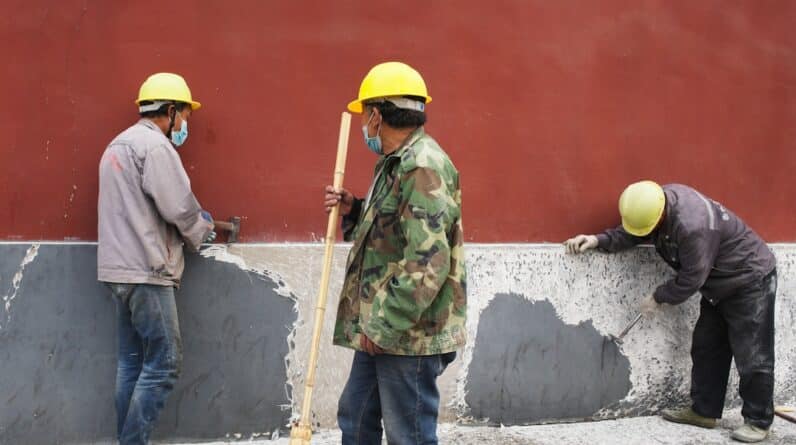
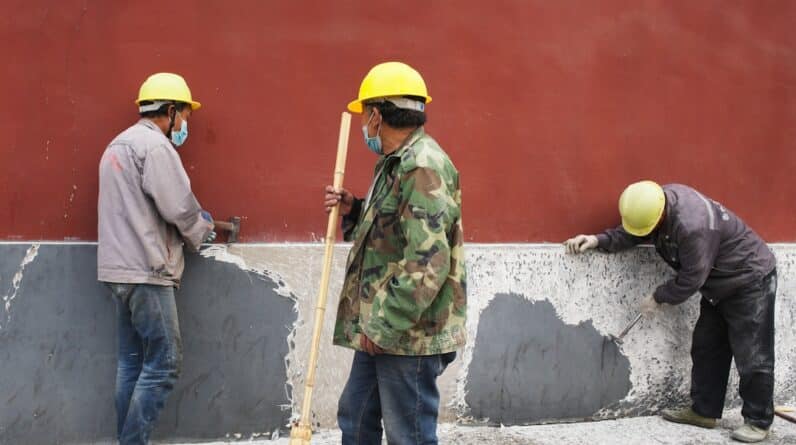
When embarking on a construction project, the significance of integrated site-preparation and landscaping cannot be overstated. You may often think of site-preparation as merely clearing land and laying foundations, but it encompasses much more. An integrated approach ensures that the natural environment is respected and enhanced, rather than merely altered.
This holistic perspective allows for the creation of spaces that are not only functional but also aesthetically pleasing and ecologically sound. By considering landscaping from the outset, you can create a seamless transition between built structures and the surrounding environment, fostering a sense of harmony that benefits both residents and wildlife. Moreover, integrated site-preparation and landscaping can lead to long-term cost savings and environmental benefits.
When you prioritize these elements during the planning phase, you can reduce the need for extensive maintenance and irrigation systems later on. Native plants, for instance, require less water and are more resilient to local pests, which can significantly lower your landscaping costs over time. Additionally, thoughtful landscaping can improve air quality, reduce urban heat, and enhance biodiversity.
By recognizing the importance of these practices, you position your project as a leader in sustainable development, appealing to environmentally conscious consumers and stakeholders alike.
Key Takeaways
- Integrated site-preparation and landscaping are crucial for creating a cohesive and functional outdoor space.
- Green spaces should be carefully planned and designed to enhance the overall construction project and provide environmental benefits.
- Builders should prioritize sustainable landscaping practices to minimize environmental impact and promote biodiversity.
- Maximizing green space in urban environments is essential for improving air quality, reducing heat island effects, and enhancing overall well-being.
- Incorporating natural elements into site-preparation can create a harmonious and visually appealing outdoor environment.
Planning and Designing Green Spaces in Construction Projects
As you delve into the planning and design of green spaces within construction projects, it’s essential to consider the needs of both the community and the environment. Engaging with local residents can provide valuable insights into what types of green spaces would be most beneficial. Whether it’s parks, community gardens, or recreational areas, understanding the desires of those who will use these spaces can guide your design choices.
You might find that incorporating walking paths, seating areas, or playgrounds not only enhances the usability of the space but also fosters a sense of community ownership and pride. In addition to community input, you should also assess the ecological aspects of your site. Conducting a thorough analysis of the existing flora and fauna will help you identify opportunities for preserving native species and creating habitats for local wildlife.
This approach not only enriches the landscape but also contributes to the overall health of the ecosystem. By integrating green spaces thoughtfully into your construction plans, you create environments that promote well-being, encourage outdoor activity, and enhance the quality of life for all who inhabit or visit the area.
Sustainable Landscaping Practices for Builders
Sustainable landscaping practices are essential for builders who wish to minimize their environmental impact while maximizing aesthetic appeal. You can start by selecting native plants that thrive in your region’s climate, reducing the need for excessive watering and chemical fertilizers. These plants are adapted to local conditions and often require less maintenance than non-native species.
Additionally, implementing xeriscaping techniques can further conserve water by using drought-resistant plants and efficient irrigation systems. This not only benefits the environment but also lowers long-term costs associated with landscaping maintenance. Another critical aspect of sustainable landscaping is soil health.
You should consider using organic compost and mulch to enrich the soil naturally, promoting healthy plant growth without relying on synthetic chemicals. Furthermore, incorporating permeable surfaces in your landscaping design can help manage stormwater runoff effectively. By allowing rainwater to infiltrate the ground rather than pooling on hard surfaces, you reduce erosion and improve groundwater recharge.
These sustainable practices not only enhance the beauty of your project but also demonstrate a commitment to environmental stewardship that resonates with today’s eco-conscious consumers.
Maximizing Green Space in Urban Environments
In urban environments where space is often at a premium, maximizing green space becomes a crucial challenge. You may need to think creatively about how to incorporate greenery into your designs without sacrificing functionality. Rooftop gardens, vertical gardens, and pocket parks are innovative solutions that allow you to introduce nature into densely populated areas.
These green spaces not only provide aesthetic benefits but also improve air quality and reduce urban heat islands, making cities more livable. Additionally, consider how you can connect existing green spaces within urban settings. Creating pathways or corridors that link parks and natural areas encourages residents to engage with their environment while promoting biodiversity.
You might also explore partnerships with local organizations to transform underutilized lots into vibrant community gardens or recreational areas. By prioritizing green space in urban planning, you contribute to healthier communities and foster a greater appreciation for nature amidst the concrete landscape.
Incorporating Natural Elements into Site-Preparation
Incorporating natural elements into site-preparation is an effective way to enhance both functionality and aesthetics in your construction projects. You might begin by preserving existing trees and vegetation during the site-clearing process. Not only do these natural features provide shade and beauty, but they also play a vital role in maintaining local ecosystems.
By carefully planning your site layout around these elements, you create a more inviting atmosphere that encourages interaction with nature. Additionally, consider integrating water features such as ponds or rain gardens into your site-preparation plans. These elements not only add visual interest but also serve practical purposes by managing stormwater runoff and providing habitats for wildlife.
You could also explore using natural materials like stone or wood in your hardscaping designs to create a cohesive look that blends seamlessly with the surrounding environment. By thoughtfully incorporating natural elements into your site-preparation efforts, you create spaces that are both functional and harmonious with nature.
Balancing Functionality and Aesthetics in Landscaping and Green Space Planning
Achieving a balance between functionality and aesthetics in landscaping and green space planning is essential for creating successful outdoor environments. As you design these spaces, consider how they will be used by residents or visitors. Functional elements such as seating areas, pathways, and lighting should be integrated seamlessly into the overall design without detracting from its visual appeal.
You might find that using natural materials or incorporating artistic features can enhance both functionality and aesthetics simultaneously. Moreover, it’s important to think about how different seasons will affect your landscape design. Selecting plants that offer year-round interest—such as those with varying bloom times or colorful foliage—ensures that your green spaces remain visually appealing throughout the year.
Additionally, consider how seasonal changes might impact usability; for instance, providing shaded areas during hot summer months or windbreaks during winter can enhance comfort for users. By carefully balancing functionality with aesthetics, you create landscapes that are not only beautiful but also serve the needs of those who interact with them.
Utilizing Technology and Innovation in Site-Preparation and Landscaping
In today’s rapidly evolving world, utilizing technology and innovation in site-preparation and landscaping can significantly enhance your projects’ efficiency and effectiveness. You might consider employing advanced tools such as drones for surveying land or 3D modeling software for visualizing designs before implementation. These technologies allow you to identify potential challenges early on and make informed decisions that streamline the construction process.
Furthermore, smart irrigation systems equipped with sensors can optimize water usage in your landscaping efforts. By monitoring soil moisture levels and weather conditions, these systems ensure that plants receive just the right amount of water without waste. Additionally, exploring sustainable materials such as recycled composites or permeable pavers can contribute to environmentally friendly practices in your projects.
Embracing technology not only improves efficiency but also positions you as an innovative leader in the construction industry.
Collaborating with Landscape Architects and Environmental Experts
Collaboration with landscape architects and environmental experts is vital for achieving successful outcomes in site-preparation and landscaping projects. These professionals bring specialized knowledge that can enhance your designs while ensuring compliance with environmental regulations. By working together from the initial planning stages, you can create cohesive designs that integrate seamlessly with both natural landscapes and built environments.
Moreover, engaging with these experts allows you to tap into their insights on sustainable practices and innovative solutions tailored to your specific project needs. They can help you navigate challenges such as soil erosion or habitat preservation while maximizing aesthetic appeal. By fostering collaboration among various stakeholders—including architects, builders, landscape designers, and environmental consultants—you create a comprehensive approach that leads to successful outcomes for both your project and the surrounding community.
In conclusion, integrated site-preparation and landscaping are essential components of successful construction projects that prioritize sustainability, functionality, and aesthetics. By planning thoughtfully, utilizing innovative technologies, collaborating with experts, and embracing sustainable practices, you can create spaces that enhance both human experiences and ecological health. As you move forward in your projects, remember that every decision you make has the potential to shape not only the built environment but also the natural world around it.
If you are interested in incorporating regional architectural influences into your modern design, you may want to check out the article Embracing the Local Essence: Infusing Regional Architectural Influences into Modern Designs. This article provides valuable insights on how to blend traditional and contemporary elements to create a unique and culturally rich living space. By combining site-preparation with landscaping and green space planning, you can truly transform your home into a harmonious and sustainable oasis.
FAQs
What is site preparation in the context of construction?
Site preparation in construction refers to the process of clearing, grading, and leveling the land before any building or landscaping work can begin. This may involve removing trees, rocks, and other obstacles, as well as ensuring proper drainage and soil stability.
What is landscaping and green space planning?
Landscaping involves the design and maintenance of outdoor spaces, including the planting of trees, shrubs, and flowers, as well as the installation of hardscape elements such as paths, patios, and water features. Green space planning focuses on creating and preserving natural areas within urban or developed environments.
How can builders integrate site preparation with landscaping and green space planning?
Builders can integrate site preparation with landscaping and green space planning by considering the natural features of the site, such as existing trees and topography, when designing the layout of the building and outdoor spaces. They can also incorporate sustainable practices, such as rain gardens and permeable paving, to manage stormwater and preserve natural habitats.
What are the benefits of integrating site preparation with landscaping and green space planning?
Integrating site preparation with landscaping and green space planning can result in more sustainable and visually appealing developments. It can also help to preserve natural ecosystems, improve air and water quality, and create recreational opportunities for residents. Additionally, it can enhance the overall value and marketability of the property.