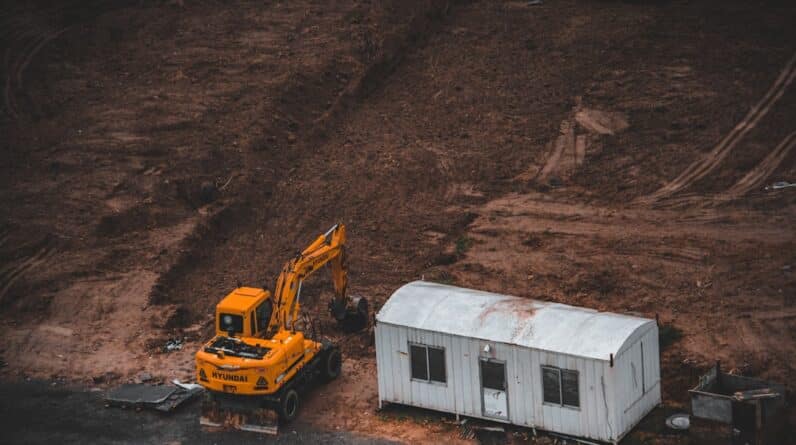
When embarking on any construction or agricultural project, the importance of site-preparation decisions cannot be overstated. These decisions lay the groundwork for the success of the endeavor, influencing everything from the efficiency of resource use to the sustainability of the environment. You may find that site preparation involves a series of strategic choices, including land clearing, soil testing, and the selection of appropriate materials.
Each of these choices is shaped by a multitude of factors, both cultural and historical, that can significantly impact the outcome of your project. Understanding the nuances of site-preparation decisions is essential for anyone involved in land development or agricultural practices. As you delve into this topic, you will discover that these decisions are not made in a vacuum; they are deeply intertwined with the cultural beliefs and historical contexts of the regions in which they occur.
By examining these influences, you can gain valuable insights that will inform your own site-preparation strategies and enhance your ability to navigate the complexities of land use.
Key Takeaways
- Site-preparation decisions are influenced by a combination of cultural, historical, environmental, and geographical factors.
- Traditional beliefs and practices play a significant role in shaping site-preparation decisions in many regions.
- Colonialism and imperialism have had a lasting impact on site-preparation decisions, often leading to the displacement of indigenous communities.
- Environmental and geographical factors such as soil quality and climate also play a crucial role in determining site-preparation decisions.
- To address cultural and historical factors in site-preparation decisions, it is important to consider the unique context of each region and involve local communities in decision-making processes.
Cultural Factors Influencing Site-Preparation Decisions
Cultural factors play a pivotal role in shaping site-preparation decisions. As you consider a specific region, you will notice that local customs, traditions, and community values can dictate how land is utilized and prepared. For instance, in many indigenous communities, land is viewed as a sacred entity, and this perspective influences how site preparation is approached.
You may find that practices such as crop rotation or permaculture are favored over more industrialized methods, reflecting a deep respect for the land and its ecosystems. Moreover, cultural beliefs can affect the choice of materials and techniques used during site preparation. In some cultures, there may be a preference for using locally sourced materials that align with traditional building practices.
This not only fosters a sense of community identity but also promotes sustainability by minimizing transportation costs and environmental impact. As you engage with local stakeholders, understanding these cultural nuances will be crucial in making informed decisions that resonate with the community’s values.
Historical Factors Influencing Site-Preparation Decisions
The historical context of a region can significantly influence site-preparation decisions. As you explore various locations, you will uncover layers of history that have shaped land use practices over time. For example, areas that have experienced colonization may exhibit a blend of indigenous and colonial agricultural techniques.
This hybridization can lead to unique site-preparation methods that reflect both historical struggles and adaptations. Additionally, historical events such as wars, migrations, or economic booms can leave lasting impacts on how land is prepared and utilized. You might find that certain regions have developed specific practices in response to past challenges, such as soil degradation or resource scarcity.
By examining these historical factors, you can better understand the rationale behind current site-preparation decisions and identify opportunities for improvement or innovation.
Case Studies of Site-Preparation Decisions in Specific Regions
To illustrate the complexities of site-preparation decisions, consider examining case studies from various regions around the world. In Southeast Asia, for instance, traditional rice farming practices often involve intricate water management systems that have been refined over centuries. As you analyze these practices, you will see how local knowledge has been passed down through generations, resulting in highly effective site-preparation techniques that are well-suited to the region’s unique environmental conditions.
In contrast, looking at urban development in North America reveals a different set of challenges and solutions. Here, rapid urbanization has led to a reliance on heavy machinery and industrial methods for site preparation. However, as you investigate further, you may discover emerging trends toward sustainable practices, such as green roofs and permeable pavements, which aim to mitigate the environmental impact of urban development.
These case studies highlight the diverse approaches to site preparation and underscore the importance of context in shaping decisions.
Impact of Traditional Beliefs and Practices on Site-Preparation Decisions
Traditional beliefs and practices often serve as guiding principles for site-preparation decisions. You may find that in many cultures, there are established rituals or customs associated with land preparation that reflect a deep connection to nature. For example, some communities may hold ceremonies to honor the land before beginning agricultural activities, reinforcing their commitment to sustainable practices.
These traditional practices can also influence the choice of crops planted and the methods used for soil management. In regions where traditional farming techniques are still prevalent, you might observe a strong emphasis on biodiversity and crop rotation, which not only enhances soil health but also promotes resilience against pests and diseases. By recognizing the value of these traditional beliefs, you can incorporate them into your own site-preparation strategies to foster a more holistic approach to land use.
Influence of Colonialism and Imperialism on Site-Preparation Decisions
The legacies of colonialism and imperialism have left indelible marks on site-preparation decisions across the globe. As you explore different regions, you will encounter instances where colonial powers imposed their agricultural practices on indigenous populations, often disregarding local knowledge and traditions. This imposition has led to significant changes in land use patterns and site-preparation methods that persist today.
In many cases, colonial agricultural systems prioritized cash crops over subsistence farming, resulting in altered landscapes and disrupted ecosystems. You may find that these historical injustices continue to influence contemporary site-preparation decisions, as communities grapple with the consequences of past exploitation. By acknowledging this history, you can work towards more equitable land-use practices that honor indigenous knowledge while addressing the needs of modern society.
Role of Environmental and Geographical Factors in Site-Preparation Decisions
Environmental and geographical factors are critical components of site-preparation decisions. As you assess a particular location, you will need to consider elements such as soil type, climate conditions, and topography. These factors not only dictate what crops can be grown but also influence how land should be prepared for optimal productivity.
For instance, in arid regions where water scarcity is a concern, you may find that site preparation involves implementing water conservation techniques such as contour plowing or drip irrigation systems. Conversely, in areas with rich soil and ample rainfall, traditional plowing methods may suffice. By understanding these environmental variables, you can tailor your site-preparation strategies to align with the natural characteristics of the land.
Conclusion and Recommendations for Addressing Cultural and Historical Factors in Site-Preparation Decisions
In conclusion, navigating the complexities of site-preparation decisions requires a nuanced understanding of cultural and historical factors. As you engage with local communities and stakeholders, it is essential to recognize the significance of traditional beliefs and practices while also considering the impacts of colonialism and environmental conditions. By fostering an inclusive approach that values local knowledge and history, you can enhance your decision-making process and contribute to more sustainable land-use practices.
To address these cultural and historical factors effectively, consider implementing community engagement initiatives that prioritize dialogue and collaboration. Encourage local participation in site-preparation planning to ensure that diverse perspectives are heard and respected. Additionally, invest in education programs that promote awareness of traditional practices alongside modern techniques to create a more holistic understanding of land use.
Ultimately, by embracing a multifaceted approach to site preparation that honors both cultural heritage and environmental sustainability, you can pave the way for more resilient communities and healthier ecosystems. Your efforts will not only benefit your projects but also contribute to a broader movement toward responsible land stewardship for future generations.
When considering the cultural and historical factors that may influence site-preparation decisions in specific regions, it is important to consult with experienced contractors who understand the unique characteristics of each area. For example, a Better Home Contractor in Oklahoma City, Oklahoma would have valuable insights into the local traditions and building practices that could impact site-preparation decisions. Similarly, a Better Home Contractor in Jacksonville, Florida or Mount Vernon, New York would be able to provide expertise on how cultural and historical factors influence construction projects in their respective regions. By working with contractors who are familiar with the cultural and historical context of a specific area, developers can make more informed decisions about site preparation that respect and honor the local heritage.
FAQs
What are cultural factors that may influence site-preparation decisions in specific regions?
Cultural factors that may influence site-preparation decisions in specific regions include traditional building practices, religious beliefs, and local customs. These factors can impact the choice of building materials, construction methods, and the layout of the site.
What are historical factors that may influence site-preparation decisions in specific regions?
Historical factors that may influence site-preparation decisions in specific regions include past conflicts, colonization, and the development of infrastructure. These factors can impact the availability of resources, land use patterns, and the preservation of historical sites.
How do cultural and historical factors impact site-preparation decisions?
Cultural and historical factors impact site-preparation decisions by shaping the way people interact with their environment, the resources available for construction, and the significance of certain locations. These factors can influence the design, construction, and use of buildings and infrastructure in specific regions.