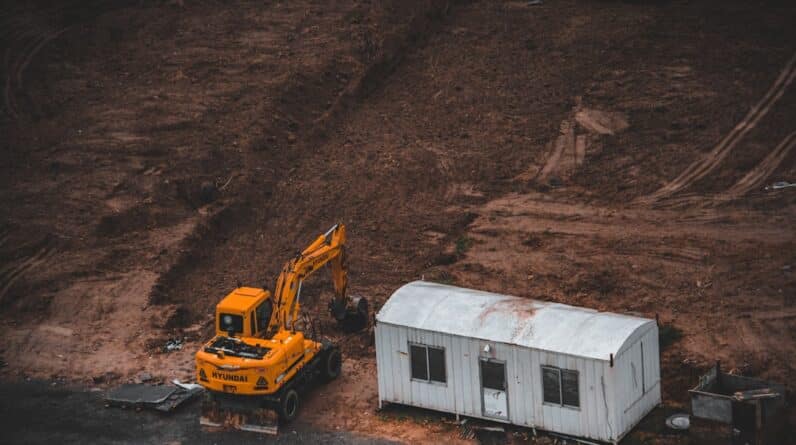
When you think about renewable energy, the focus often shifts to the technologies themselves—solar panels, wind turbines, and geothermal systems. However, the significance of site-preparation cannot be overstated. It serves as the foundation upon which these technologies are built and integrated into the existing energy landscape.
Proper site-preparation ensures that renewable energy systems operate efficiently, sustainably, and with minimal environmental impact. By investing time and resources into this initial phase, you can enhance the overall effectiveness of renewable energy projects and contribute to a more sustainable future. Moreover, site-preparation plays a crucial role in mitigating potential risks associated with renewable energy installations.
For instance, inadequate site-preparation can lead to soil erosion, habitat destruction, and water runoff issues. By carefully assessing and preparing a site, you can minimize these risks and ensure that the installation aligns with environmental regulations and community standards. This proactive approach not only fosters public acceptance but also enhances the long-term viability of renewable energy projects.
Key Takeaways
- Proper site-preparation is crucial for successful integration of renewable energy sources
- Site-preparation plays a key role in determining the efficiency and effectiveness of renewable energy integration
- Factors such as location, terrain, and environmental impact must be considered in site-preparation for renewable energy integration
- Techniques for site-preparation for solar energy integration include land clearing, grading, and foundation installation
- Techniques for site-preparation for wind energy integration include wind resource assessment, access road construction, and foundation installation
- Techniques for site-preparation for geothermal energy integration include geological surveys, well drilling, and reservoir stimulation
- Techniques for site-preparation for hydroelectric energy integration include dam construction, reservoir creation, and turbine installation
- The future of site-preparation in renewable energy integration will likely involve advanced technologies and more sustainable practices
Understanding the Role of Site-Preparation in Renewable Energy Integration
Site-preparation is more than just clearing land; it involves a comprehensive understanding of the geographical, ecological, and social factors that influence renewable energy integration. When you embark on a renewable energy project, you must first conduct thorough site assessments to evaluate soil conditions, topography, and existing ecosystems. This information is vital for determining the most suitable technologies and configurations for your project.
By understanding the unique characteristics of your chosen site, you can make informed decisions that optimize energy production while minimizing environmental disruption. Additionally, site-preparation involves engaging with local communities and stakeholders. You need to consider their concerns and aspirations regarding renewable energy development.
By fostering open communication and collaboration, you can create a sense of ownership among community members, which can lead to smoother project implementation and greater acceptance of renewable energy initiatives. This collaborative approach not only enhances the social license to operate but also enriches the overall project by incorporating diverse perspectives and knowledge.
Factors to Consider in Site-Preparation for Renewable Energy Integration
Several factors come into play when preparing a site for renewable energy integration. First and foremost, you must assess the land’s suitability for the specific type of renewable energy technology you plan to implement. For solar energy, factors such as sunlight exposure, shading from nearby structures or trees, and land slope are critical.
In contrast, wind energy projects require an evaluation of wind patterns, elevation, and proximity to existing infrastructure. Understanding these factors will help you determine whether a site is viable for your intended purpose. Another essential consideration is environmental impact.
You should conduct environmental assessments to identify any sensitive habitats or endangered species that may be affected by your project. This step is crucial not only for regulatory compliance but also for ensuring that your project aligns with sustainable development principles. By prioritizing environmental stewardship during site-preparation, you can help protect local ecosystems while still advancing renewable energy goals.
Site-Preparation Techniques for Solar Energy Integration
When it comes to solar energy integration, effective site-preparation techniques are paramount for maximizing efficiency and performance. One of the first steps is to clear the land of any obstructions that could cast shadows on solar panels. This may involve trimming trees or removing structures that impede sunlight access.
Additionally, you should assess soil conditions to ensure proper drainage and stability for mounting systems. Poor drainage can lead to water pooling around solar installations, which can damage equipment and reduce efficiency. Another critical technique is grading the land to create a level surface for solar panel installation.
Uneven terrain can lead to misalignment of panels, resulting in decreased energy production. You may also want to consider implementing vegetation management strategies that promote biodiversity while minimizing shading on solar arrays. By carefully planning your site-preparation activities, you can create an optimal environment for solar energy generation that balances ecological health with energy production needs.
Site-Preparation Techniques for Wind Energy Integration
For wind energy integration, site-preparation techniques focus on optimizing turbine placement and ensuring structural integrity. One of the first steps is conducting a wind resource assessment to identify areas with consistent wind patterns. This data will guide your decisions on turbine locations and heights.
You should also consider the topography of the land; elevated sites often yield better wind conditions but may require additional engineering considerations for turbine installation. In addition to assessing wind conditions, you must prepare access roads for construction and maintenance activities. These roads should be designed to accommodate heavy machinery while minimizing disruption to local ecosystems.
Erosion control measures are also essential during site-preparation to prevent soil degradation and sediment runoff into nearby water bodies. By implementing these techniques, you can create a robust foundation for wind energy projects that maximizes efficiency while respecting environmental concerns.
Site-Preparation Techniques for Geothermal Energy Integration
Conducting Geological Surveys
The first step in preparing a site for geothermal energy integration is to conduct geological surveys to identify suitable geothermal reservoirs. This involves analyzing subsurface conditions such as rock formations, temperature gradients, and fluid characteristics. Understanding these factors is crucial for determining the feasibility of geothermal projects in specific locations.
Site Preparation and Infrastructure Development
Once a suitable site is identified, it must be prepared for drilling operations and infrastructure development. This may involve clearing vegetation, constructing access roads, and establishing drilling pads. Additionally, measures must be taken to protect groundwater resources during drilling activities.
Safeguarding Natural Resources
Proper containment systems can prevent contamination and ensure that geothermal extraction remains sustainable over time. By prioritizing these site-preparation techniques, geothermal energy integration can be facilitated while safeguarding valuable natural resources.
Site-Preparation Techniques for Hydroelectric Energy Integration
Hydroelectric energy integration presents its own set of challenges when it comes to site-preparation techniques. The first step is assessing water flow patterns and identifying potential sites for dam construction or run-of-river systems. You need to evaluate factors such as riverbed stability, flood risks, and ecological impacts on aquatic habitats.
This comprehensive assessment will guide your decisions on where and how to implement hydroelectric projects. Once a suitable site is identified, you must prepare it for construction activities while minimizing environmental disruption. This may involve creating temporary access roads and staging areas for equipment while ensuring that sediment control measures are in place to protect water quality during construction.
Additionally, you should consider fish passage solutions to maintain aquatic ecosystems’ health and biodiversity. By employing these site-preparation techniques, you can develop hydroelectric projects that harness renewable energy while respecting ecological integrity.
The Future of Site-Preparation in Renewable Energy Integration
As the demand for renewable energy continues to grow, the future of site-preparation will evolve alongside technological advancements and changing regulatory landscapes. You can expect an increased emphasis on sustainability practices during site-preparation processes. This includes integrating innovative technologies such as drones for aerial surveys or advanced modeling software for environmental assessments.
These tools will enhance your ability to make data-driven decisions that optimize site-preparation efforts. Furthermore, collaboration among stakeholders will become increasingly important in shaping the future of site-preparation in renewable energy integration. As communities become more engaged in energy projects, their input will be vital in ensuring that developments align with local values and priorities.
By fostering partnerships between developers, local governments, and community organizations, you can create a more inclusive approach to renewable energy integration that benefits all parties involved. In conclusion, site-preparation is a critical component of successfully integrating renewable energy sources into our existing infrastructure. By understanding its importance and employing effective techniques tailored to each type of renewable technology, you can contribute significantly to a sustainable energy future while minimizing environmental impacts and fostering community support.
When considering how site preparation can accommodate the integration of renewable energy sources into a building’s design, it is important to also think about the preservation of historical buildings. A related article on preserving stories through time: the role of documentation in restoration discusses the importance of documenting the history and original design of buildings before making any renovations or additions. This can help ensure that the integration of renewable energy sources is done in a way that respects the building’s unique character and historical significance.
FAQs
What is site preparation for integrating renewable energy sources into a building’s design?
Site preparation for integrating renewable energy sources into a building’s design involves the process of evaluating and modifying the site to accommodate the installation and operation of renewable energy systems, such as solar panels, wind turbines, or geothermal systems.
What are some considerations for site preparation in integrating renewable energy sources?
Considerations for site preparation in integrating renewable energy sources include assessing the available space, orientation, and access to sunlight or wind for optimal energy generation. Additionally, factors such as soil conditions, topography, and local regulations may also impact the site preparation process.
How does site preparation accommodate solar energy integration?
Site preparation for solar energy integration involves clearing the area of any obstructions that may block sunlight, such as trees or buildings. It also includes evaluating the structural integrity of the building to support the weight of solar panels and ensuring proper orientation for maximum sun exposure.
How does site preparation accommodate wind energy integration?
Site preparation for wind energy integration involves assessing the wind patterns and potential obstructions that may affect the performance of wind turbines. It also includes evaluating the structural integrity of the building to support the installation of wind turbines and ensuring proper placement for optimal wind capture.
How does site preparation accommodate geothermal energy integration?
Site preparation for geothermal energy integration involves evaluating the geological conditions of the site to determine the feasibility of installing a geothermal heat pump system. This may include conducting soil tests and assessing the space for drilling wells or laying underground piping for heat exchange.