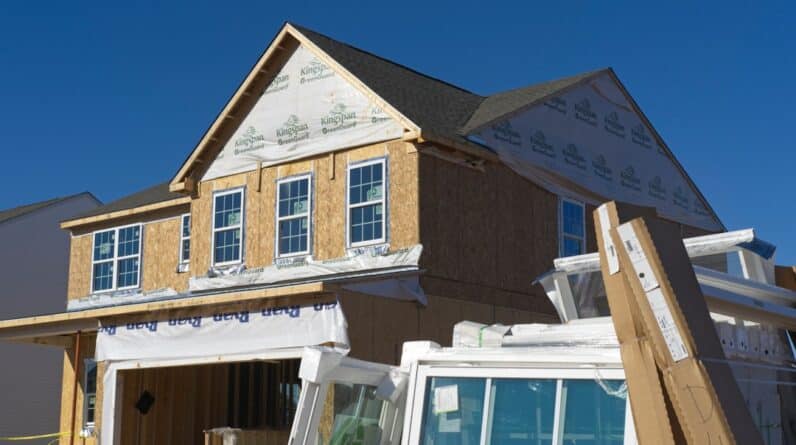
When embarking on the journey of building your dream home, the first step is to truly understand your vision. This process begins with introspection, where you take the time to reflect on what you want your new space to embody. Consider the lifestyle you lead and how your home can enhance it.
Are you looking for a cozy retreat, a modern masterpiece, or perhaps a family-friendly abode? Visualizing your ideal home will help you articulate your desires to potential builders later on. As you delve deeper into your vision, think about the specific features that resonate with you.
Do you envision an open-concept living area that fosters connection, or do you prefer distinct rooms for privacy? What about outdoor spaces? A garden, a deck, or a pool might be essential elements for you.
By compiling a list of must-haves and nice-to-haves, you create a clear picture of what you want, which will serve as a guiding light throughout the building process.
Key Takeaways
- Clearly define your vision for the project before approaching builders
- Research and compare potential builders to find the best fit for your project
- Set a realistic budget that aligns with your vision and the builder’s capabilities
- Communicate your needs and wants clearly to ensure the builder understands your vision
- Review builder portfolios to assess their style and quality of work
Researching Potential Builders
Once you have a solid understanding of your vision, the next step is to research potential builders who can bring that vision to life. Start by gathering recommendations from friends, family, or colleagues who have recently built homes. Their firsthand experiences can provide valuable insights into the builders they worked with and the quality of their work.
Additionally, online platforms and local directories can help you compile a list of reputable builders in your area. As you narrow down your options, take the time to explore each builder’s website and social media presence. Look for portfolios showcasing their previous projects, as this will give you an idea of their style and craftsmanship.
Pay attention to the details—do their designs align with your vision? Are they experienced in building homes similar to what you have in mind? This research phase is crucial, as it sets the foundation for selecting a builder who can effectively translate your ideas into reality.
Setting a Realistic Budget
With a clearer understanding of your vision and potential builders in mind, it’s time to tackle one of the most critical aspects of the building process: setting a realistic budget. Begin by assessing your financial situation and determining how much you can comfortably allocate to this project. Consider not only the construction costs but also additional expenses such as permits, landscaping, and interior furnishings.
Having a comprehensive view of your finances will help you avoid surprises down the line. Once you’ve established a budget range, it’s essential to communicate this with your chosen builder. A good builder will work with you to create a plan that aligns with your financial constraints while still delivering quality results.
Be open about your priorities—if certain features are non-negotiable, let them know so they can help you find cost-effective solutions without compromising your vision.
Communicating Your Needs and Wants
Effective communication is key to ensuring that your builder understands your needs and wants throughout the construction process. Schedule an initial meeting where you can discuss your vision in detail. Bring along any sketches, images, or inspiration boards that illustrate what you’re looking for.
This visual aid can help bridge any gaps in understanding and provide a clearer direction for the builder. As the project progresses, maintain an open line of communication with your builder. Regular check-ins can help address any concerns or changes that may arise.
Be prepared to provide feedback and make decisions promptly to keep the project on track. Remember, this is a collaborative effort; fostering a positive relationship with your builder will ultimately lead to a smoother building experience.
Reviewing Builder Portfolios
As you continue to refine your choices, take the time to review the portfolios of potential builders thoroughly. A builder’s portfolio is more than just a collection of images; it reflects their style, expertise, and range of capabilities. Look for projects that resonate with your vision and pay attention to the quality of craftsmanship displayed in each photograph.
While reviewing portfolios, consider not only the aesthetics but also the functionality of the designs. Does the layout make sense for how you envision living in the space? Are there innovative features that catch your eye?
By analyzing these aspects, you’ll gain a deeper understanding of each builder’s strengths and weaknesses, helping you make an informed decision about who to partner with for your project.
Checking References and Reviews
Before making a final decision on which builder to hire, it’s crucial to check references and reviews from past clients. Reach out to individuals who have worked with the builders you’re considering and ask about their experiences. Inquire about aspects such as communication, adherence to timelines, and overall satisfaction with the finished product.
This firsthand feedback can provide invaluable insights that go beyond what you see in portfolios. In addition to personal references, take advantage of online review platforms to gauge public sentiment about each builder. Look for patterns in feedback—are there consistent praises or complaints?
A builder with a strong reputation for quality work and customer service is likely to be a reliable choice for your project. By conducting thorough research in this area, you’ll feel more confident in your decision-making process.
Understanding the Building Process
With a builder selected and contracts signed, it’s essential to familiarize yourself with the building process itself. Understanding each phase—from groundbreaking to final inspection—will help set realistic expectations for timelines and milestones. Ask your builder to provide a detailed timeline outlining key stages of construction so that you can anticipate when certain aspects will be completed.
Additionally, be prepared for potential challenges along the way. Delays due to weather conditions or supply chain issues are not uncommon in construction projects. By being aware of these possibilities ahead of time, you can approach any setbacks with patience and flexibility.
Remember that building a home is a significant undertaking; staying informed will empower you to navigate the process more effectively.
Signing the Contract and Getting Started
Finally, after thorough research and careful consideration, it’s time to sign the contract and officially kick off your building project. Before signing anything, ensure that you fully understand all terms outlined in the contract. Pay close attention to details such as payment schedules, warranties, and timelines.
If anything seems unclear or concerning, don’t hesitate to ask questions or seek clarification from your builder. Once everything is in order and you’ve signed on the dotted line, it’s time to get started! Embrace this exciting phase as your vision begins to take shape before your eyes.
Regularly visit the construction site to monitor progress and stay engaged in the process. Building a home is not just about creating a physical structure; it’s about crafting a space that reflects who you are and how you want to live. Enjoy every moment of this transformative journey!
If you are looking for more information on finding the perfect builder for your custom home, be sure to check out Better Home Contractor’s site map. This comprehensive resource can help guide you through the process of selecting the right builder for your project. Additionally, you may want to read about the experiences of others who have worked with Better Home Contractor in Palatine, Illinois (link). These articles can provide valuable insights and tips for your own custom home journey.
FAQs
What should I consider when choosing a custom home builder?
When choosing a custom home builder, it’s important to consider their experience, reputation, portfolio of past projects, communication style, and ability to work within your budget and timeline.
What are the benefits of building a custom home?
Building a custom home allows you to have complete control over the design, layout, and features of your home. It also gives you the opportunity to choose the location and create a one-of-a-kind living space that meets your specific needs and preferences.
How long does it take to build a custom home?
The timeline for building a custom home can vary depending on factors such as the size and complexity of the project, the availability of materials, and the weather. On average, it can take anywhere from 6 months to 2 years to complete a custom home.
What is the cost of building a custom home?
The cost of building a custom home can vary widely depending on factors such as the size, location, materials, and level of customization. It’s important to work with a builder to create a detailed budget and timeline for your project.
What is the difference between a custom home builder and a production home builder?
A custom home builder works with you to create a one-of-a-kind home that is tailored to your specific needs and preferences. A production home builder constructs multiple homes based on pre-designed floor plans and offers fewer customization options.