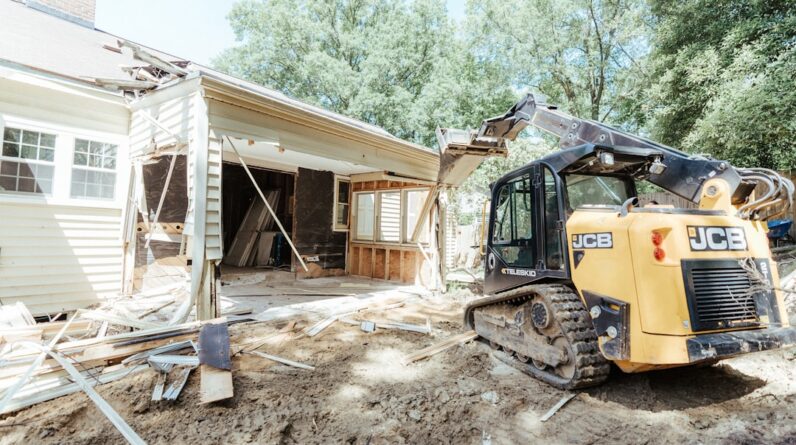
When you think about home construction or renovation, the term “residential contractor” likely comes to mind. A residential contractor is a professional who manages and oversees construction projects specifically related to residential properties. This can include everything from new home builds to extensive renovations and remodels.
Essentially, they serve as the bridge between the homeowner and the various tradespeople involved in a project, ensuring that everything runs smoothly and according to plan. In your journey of home improvement or construction, understanding the role of a residential contractor is crucial. They are not just project managers; they are also problem solvers who navigate the complexities of building codes, permits, and timelines.
Their expertise allows them to coordinate various aspects of a project, ensuring that all elements come together seamlessly. Whether you are looking to build your dream home from the ground up or simply update your kitchen, a residential contractor is an invaluable resource.
Key Takeaways
- A residential contractor is a professional who oversees and manages construction or renovation projects for residential properties.
- The role of a residential contractor includes coordinating with subcontractors, obtaining necessary permits, and ensuring that the project is completed on time and within budget.
- Qualifications and training for residential contractors typically include a combination of formal education, on-the-job experience, and obtaining the necessary licenses and certifications.
- Services offered by residential contractors may include new home construction, home remodeling, additions, and renovations.
- To find a reliable residential contractor, it is important to ask for referrals, check for proper licensing and insurance, and thoroughly vet potential candidates before making a decision.
The Role of a Residential Contractor
The role of a residential contractor extends far beyond merely overseeing construction work. They are responsible for planning, budgeting, and executing projects while ensuring compliance with local regulations and safety standards. When you hire a residential contractor, you are essentially entrusting them with your vision and investment.
They will work closely with you to understand your needs and preferences, translating them into actionable plans. Moreover, a residential contractor acts as the primary point of contact throughout the project. They communicate with subcontractors, suppliers, and inspectors, ensuring that everyone is on the same page.
This coordination is vital for maintaining timelines and budgets. If any issues arise—be it delays in material delivery or unexpected structural challenges—the contractor is there to address them promptly, minimizing disruptions to your project.
Qualifications and Training for Residential Contractors
To become a successful residential contractor, one must possess a combination of education, experience, and skills. Typically, aspiring contractors start with a background in construction or a related field. Many pursue formal education through vocational schools or community colleges, where they learn about building codes, project management, and construction techniques.
This foundational knowledge is essential for navigating the complexities of residential projects. In addition to formal education, hands-on experience is crucial. Many contractors begin their careers as apprentices or laborers, gaining practical skills while working under seasoned professionals.
This on-the-job training allows them to understand the nuances of various trades, from carpentry to plumbing. Furthermore, many states require contractors to obtain licenses or certifications, which often involve passing exams that test their knowledge of building codes and regulations. This combination of education and experience equips them with the tools necessary to manage residential projects effectively.
Services Offered by Residential Contractors
Residential contractors offer a wide array of services tailored to meet the diverse needs of homeowners. One of their primary functions is managing new home construction projects. This involves everything from site preparation and foundation work to framing, roofing, and finishing touches like flooring and cabinetry.
If you are looking to build a custom home, a residential contractor will guide you through each phase of the process. In addition to new builds, many residential contractors specialize in renovations and remodels. Whether you want to update your kitchen, add an extra room, or completely transform your living space, they can help bring your vision to life.
They also offer services related to outdoor spaces, such as deck building or landscaping. By providing a comprehensive range of services, residential contractors can cater to various homeowner needs while ensuring quality workmanship throughout.
How to Find a Reliable Residential Contractor
Finding a reliable residential contractor can feel overwhelming, but there are several strategies you can employ to simplify the process. Start by seeking recommendations from friends, family, or neighbors who have recently completed similar projects. Personal referrals often provide valuable insights into a contractor’s work ethic and reliability.
Once you have a list of potential candidates, take the time to research their backgrounds. Check online reviews and ratings on platforms like Yelp or Angie’s List to gauge their reputation in the community. Additionally, consider interviewing multiple contractors before making your decision.
This allows you to compare their approaches, pricing structures, and communication styles. A good contractor will be transparent about their processes and willing to answer any questions you may have.
The Importance of Hiring a Licensed Residential Contractor
Ensuring Educational and Professional Standards
First and foremost, licensing ensures that the contractor has met specific educational and professional standards set by local authorities. This means they possess the necessary knowledge about building codes, safety regulations, and industry best practices.
Confidence in Ability and Legal Protections
By hiring someone who is licensed, you can have greater confidence in their ability to complete your project correctly and safely. Moreover, working with a licensed contractor often provides you with legal protections. In many jurisdictions, licensed contractors are required to carry liability insurance and workers’ compensation coverage.
Reduced Financial Risk and Recourse
This means that if something goes wrong during the project—such as property damage or an injury on-site—you are less likely to be held financially responsible. Additionally, if disputes arise regarding the quality of work or adherence to timelines, having a licensed contractor can provide you with recourse through regulatory bodies.
Tips for Working with a Residential Contractor
Once you’ve selected a residential contractor for your project, establishing a positive working relationship is essential for success. Clear communication is key; make sure you articulate your expectations and preferences from the outset. Regular check-ins can help ensure that everyone remains aligned throughout the project’s duration.
Additionally, be open to feedback from your contractor. They bring valuable expertise to the table and may suggest alternatives that could enhance your project’s outcome or save you money in the long run. Trusting their judgment while maintaining an open dialogue will foster collaboration and lead to better results.
Common Mistakes to Avoid When Hiring a Residential Contractor
When hiring a residential contractor, there are several common pitfalls you should strive to avoid. One major mistake is focusing solely on cost rather than value. While it’s important to stay within budget, opting for the cheapest option can lead to subpar workmanship or hidden costs down the line.
Instead, consider the overall value offered by each contractor based on their experience, reputation, and quality of work. Another mistake is failing to establish a clear contract before work begins. A well-drafted contract should outline project timelines, payment schedules, and specific deliverables.
Without this clarity, misunderstandings can arise that may lead to disputes later on. Take the time to review all terms carefully and ensure both parties are in agreement before signing anything. In conclusion, understanding the role of a residential contractor is essential for anyone looking to undertake home construction or renovation projects.
By recognizing their qualifications, services offered, and how to find reliable professionals in this field, you can navigate your home improvement journey with confidence. Remember that effective communication and careful planning are key components in achieving your desired results while avoiding common pitfalls along the way.
If you are interested in learning more about smart home transformations that blend comfort and convenience, check out the article here. This article discusses how residential contractors can help homeowners upgrade their homes with smart technology to create a more comfortable and convenient living space. It provides valuable insights into the latest trends in smart home technology and how contractors can help homeowners achieve their desired results.
FAQs
What is a residential contractor?
A residential contractor is a professional who oversees and manages construction or renovation projects for residential properties. They are responsible for coordinating and supervising all aspects of the project, including hiring subcontractors, obtaining permits, and ensuring that the work meets building codes and regulations.
What services do residential contractors provide?
Residential contractors provide a wide range of services, including new home construction, home remodeling, home additions, kitchen and bathroom renovations, and outdoor living space construction. They may also offer design and planning services, as well as project management and budgeting.
How do I choose the right residential contractor for my project?
When choosing a residential contractor, it’s important to research and interview multiple candidates. Look for contractors who are licensed, insured, and have a good reputation in the industry. Ask for references and examples of their previous work, and make sure to get detailed written estimates and contracts before starting the project.
What are the benefits of hiring a residential contractor?
Hiring a residential contractor can save homeowners time and stress by managing all aspects of the construction or renovation project. Contractors have the expertise and experience to ensure that the work is done correctly and efficiently, and they can also help navigate the complexities of building codes and permits.
What should I expect during the residential construction or renovation process?
During the construction or renovation process, homeowners can expect regular communication and updates from their residential contractor. The contractor will oversee the work of subcontractors, manage the project timeline and budget, and address any issues or changes that arise during the construction process.