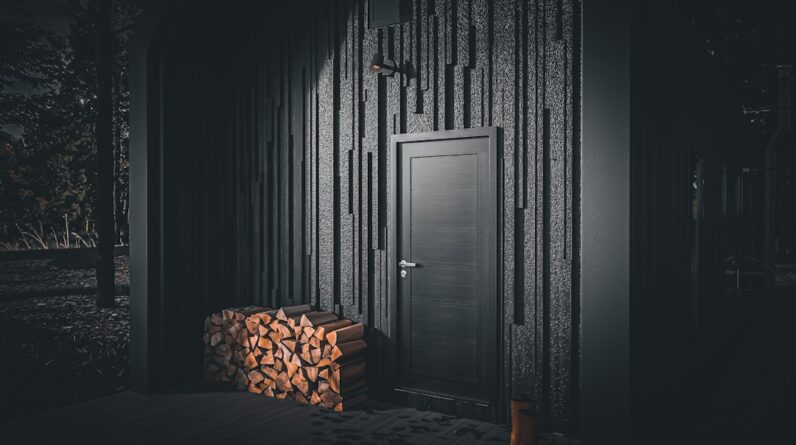
When embarking on the journey of constructing a tiny home, it is essential to grasp the concept of building codes. These codes are a set of regulations established by local, state, and national authorities to ensure that buildings are safe, habitable, and constructed in a manner that protects the health and welfare of the public. As you delve into the world of tiny homes, you will find that these codes can vary significantly depending on your location.
Understanding the nuances of these regulations is crucial for anyone looking to build or live in a tiny home. Building codes encompass a wide range of requirements, including structural integrity, safety measures, and energy efficiency standards. They are designed to address various aspects of construction, from the materials used to the methods of installation.
As you navigate through these codes, you will discover that they not only dictate how your tiny home should be built but also influence its design and functionality. Familiarizing yourself with these regulations will empower you to make informed decisions and avoid potential pitfalls during the construction process.
Key Takeaways
- Building codes are regulations that set minimum standards for the construction and occupancy of buildings to ensure safety and health.
- Specific building codes for tiny homes may vary by location and may include requirements for minimum square footage, foundation type, and occupancy limits.
- Zoning regulations for tiny homes dictate where they can be placed, such as in designated tiny home communities or as accessory dwelling units on existing properties.
- Safety and structural requirements for tiny homes may include standards for materials, foundation, and structural integrity to withstand environmental factors.
- Electrical and plumbing codes for tiny homes ensure that the electrical and plumbing systems meet safety and functionality standards.
- Fire safety regulations for tiny homes may include requirements for smoke detectors, fire extinguishers, and proper ventilation to reduce fire hazards.
- Accessibility requirements for tiny homes may include standards for entryways, interior spaces, and amenities to accommodate individuals with disabilities.
- Navigating building codes for tiny home DIYers may require research, consultation with local authorities, and adherence to all relevant regulations to ensure compliance and safety.
Specific Building Codes for Tiny Homes
Addressing Unique Characteristics
As you explore these codes, you will find that they often address issues such as minimum square footage, ceiling heights, and the types of materials that can be used in construction.
Classification and Its Impact
In some areas, tiny homes may be classified as accessory dwelling units (ADUs) or even recreational vehicles (RVs), which can significantly impact the applicable building codes. For instance, if your tiny home is considered an ADU, it may need to adhere to different standards than if it were classified as an RV.
Ensuring Compliance
Understanding these classifications is vital for ensuring compliance with local regulations and avoiding costly fines or delays in your project.
Zoning Regulations for Tiny Homes
Zoning regulations play a critical role in determining where you can place your tiny home. These regulations are established by local governments to control land use and ensure that developments align with community goals. As you consider where to build or park your tiny home, you will need to familiarize yourself with the zoning laws in your area.
Some jurisdictions may have specific zones designated for tiny homes, while others may prohibit them altogether. In many cases, zoning regulations dictate not only where you can place your tiny home but also how it can be used. For example, some areas may allow tiny homes as permanent residences, while others may only permit them as temporary structures or vacation rentals.
Understanding these restrictions is essential for ensuring that your tiny home project aligns with local laws and community expectations. Engaging with local planning departments or zoning boards can provide valuable insights into the specific regulations that apply to your situation.
Safety and Structural Requirements
Safety and structural requirements are at the heart of building codes, ensuring that your tiny home is not only aesthetically pleasing but also safe for habitation. These requirements encompass various aspects of construction, including foundation stability, load-bearing walls, and roof integrity. As you plan your tiny home, it is crucial to consider these factors to create a structure that can withstand environmental stresses such as wind, snow, and seismic activity.
In addition to structural integrity, safety requirements often include provisions for emergency exits, ventilation, and fire safety measures. You will need to ensure that your tiny home has adequate escape routes in case of emergencies and that it is equipped with proper ventilation systems to maintain air quality. By adhering to these safety and structural requirements, you can create a tiny home that not only meets legal standards but also provides a secure and comfortable living environment.
Electrical and Plumbing Codes
When it comes to the electrical and plumbing systems in your tiny home, compliance with relevant codes is paramount. Electrical codes govern the installation of wiring, outlets, and fixtures to ensure safety and functionality. As you design your tiny home’s electrical system, you will need to consider factors such as load capacity, circuit breakers, and grounding methods.
Understanding these codes will help you avoid potential hazards such as electrical fires or system failures. Similarly, plumbing codes dictate how water supply and drainage systems should be installed in your tiny home. These regulations cover everything from pipe materials to fixture placement and drainage requirements.
As you plan your plumbing system, it is essential to ensure that it meets local codes to prevent issues such as leaks or contamination of water supplies. By prioritizing compliance with electrical and plumbing codes, you can create a functional and safe living space in your tiny home.
Fire Safety Regulations
Designing with Fire Safety in Mind
As you design your tiny home, consider incorporating fire-resistant materials in key areas such as walls and roofing. Additionally, installing smoke detectors in strategic locations can provide early warnings in case of a fire.
Preparing for Emergencies
You may also want to include fire extinguishers within easy reach to ensure that you are prepared for emergencies. This will give you peace of mind and help prevent small fires from becoming major disasters.
Creating a Safer Living Environment
By taking fire safety regulations seriously, you can create a safer living environment for yourself and any guests who may visit your tiny home. With careful planning and attention to detail, you can enjoy your tiny home with confidence, knowing that you have taken the necessary steps to protect yourself and others from fire hazards.
Accessibility Requirements
Accessibility requirements are an important consideration when designing your tiny home, especially if you or someone in your household has mobility challenges. Building codes often include provisions for accessibility that ensure individuals with disabilities can navigate spaces safely and comfortably. These requirements may cover aspects such as door widths, ramp installations, and bathroom configurations.
As you plan your tiny home layout, think about how you can incorporate accessibility features without compromising on style or functionality. Wider doorways and hallways can facilitate movement for those using wheelchairs or walkers. Additionally, designing a bathroom with grab bars and a roll-in shower can enhance usability for individuals with mobility limitations.
By prioritizing accessibility in your design process, you can create a welcoming environment for everyone who enters your tiny home.
Navigating Building Codes for Tiny Home DIYers
For DIY enthusiasts looking to build their own tiny homes, navigating building codes can seem daunting at first glance. However, with careful research and planning, you can successfully comply with regulations while bringing your vision to life. Start by familiarizing yourself with local building codes and zoning regulations specific to tiny homes in your area.
This foundational knowledge will guide your design choices and construction methods. Consider reaching out to local building departments or joining online communities focused on tiny home construction for additional support. Many DIYers share their experiences and insights regarding code compliance, which can be invaluable as you embark on your project.
Additionally, consulting with professionals such as architects or builders who have experience with tiny homes can provide further clarity on navigating the complexities of building codes. By taking proactive steps to understand and comply with these regulations, you can confidently create a tiny home that meets both your needs and legal standards. In conclusion, understanding building codes is essential for anyone looking to construct a tiny home.
From specific building codes tailored for these unique structures to zoning regulations that dictate where they can be placed, each aspect plays a vital role in ensuring safety and compliance. By prioritizing safety measures, electrical and plumbing standards, fire safety regulations, accessibility requirements, and seeking guidance from experienced professionals or communities, you can successfully navigate the complexities of building codes while creating a beautiful and functional tiny home that reflects your lifestyle choices.
If you are interested in learning more about building codes for tiny homes, you may want to check out the article on Better Home Contractor in Schenectady, New York. This article discusses the importance of adhering to local building codes and regulations when constructing a tiny home in the area. It provides valuable insights and tips for ensuring that your tiny home meets all necessary requirements for safety and compliance.
FAQs
What are building codes for tiny homes?
Building codes for tiny homes are regulations and standards set by local, state, or national governments that dictate the minimum requirements for the construction and safety of tiny homes. These codes cover aspects such as structural integrity, electrical and plumbing systems, fire safety, and occupancy standards.
Do tiny homes have to comply with building codes?
In most jurisdictions, tiny homes are required to comply with building codes just like traditional homes. However, the specific requirements may vary depending on the location and the classification of the tiny home (permanent dwelling, accessory dwelling unit, recreational vehicle, etc.).
What are some common building code requirements for tiny homes?
Common building code requirements for tiny homes may include minimum ceiling heights, egress windows, insulation standards, foundation requirements, electrical and plumbing codes, and occupancy limits. These requirements are intended to ensure the safety and habitability of the structure.
Can building codes for tiny homes vary by location?
Yes, building codes for tiny homes can vary significantly by location. Different jurisdictions may have their own specific regulations and standards for tiny homes, and it’s important for builders and homeowners to be aware of and comply with the codes in their area.
Are there specific building codes for off-grid tiny homes?
Building codes for off-grid tiny homes may have additional requirements related to alternative energy systems, waste management, and water supply. These codes are designed to ensure that off-grid tiny homes are constructed and operated in a safe and sustainable manner.
How can I find out about the building codes for tiny homes in my area?
To find out about the building codes for tiny homes in your area, you can contact your local building department or planning office. They can provide information on the specific requirements and regulations that apply to tiny home construction in your jurisdiction.