Engaging a custom home builder offers a plethora of advantages that can significantly enhance the home-building experience. One of the most compelling benefits is the ability to tailor every aspect of the home to meet the specific needs and preferences of the homeowner. Unlike pre-designed homes, a custom builder allows for a high degree of personalization, from the layout and architectural style to the materials used and the finishes selected.
This level of customization ensures that the final product is not just a house, but a true reflection of the homeowner’s lifestyle and aesthetic preferences. Moreover, custom home builders often have extensive knowledge of local building codes, zoning laws, and environmental regulations. This expertise can streamline the permitting process and help avoid potential legal issues down the line.
They are also typically well-connected within the local construction community, which can lead to better pricing on materials and access to skilled subcontractors. This network can be invaluable in ensuring that the project runs smoothly and stays on schedule, ultimately saving time and reducing stress for the homeowner.
Key Takeaways
- Hiring a custom home builder allows for personalized design, quality construction, and attention to detail.
- The process of building a custom home involves initial consultation, design development, construction, and final walkthrough.
- When choosing a custom home builder, consider their experience, reputation, portfolio, and communication style.
- Custom home builders focus on unique, one-of-a-kind homes, while production builders mass-produce similar homes in large developments.
- Designing your dream home with a custom builder involves collaboration, creativity, and attention to your specific needs and preferences.
- Communication with your custom home builder is crucial for a successful and stress-free building experience.
- Budgeting for a custom home requires careful planning, realistic expectations, and input from industry experts.
- The future of custom home building includes trends such as sustainable design, smart home technology, and innovative building materials.
Understanding the Process of Building a Custom Home
Defining Your Needs and Preferences
During this phase, homeowners should articulate their needs clearly, whether they desire an open floor plan, energy-efficient features, or specific room dimensions. The builder will then translate these ideas into a preliminary design.
Obtaining Necessary Permits and Approvals
Once the design is established, the next step involves obtaining necessary permits and approvals. This can be a complex process, as it often requires navigating local regulations and zoning laws. A proficient custom home builder will handle these bureaucratic hurdles, ensuring that all documentation is in order before construction begins.
The Building Phase and Ongoing Communication
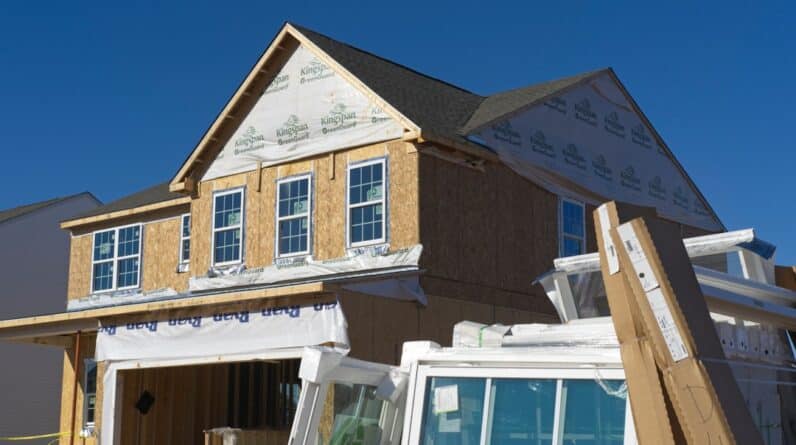
Following this, the actual building phase commences, which includes site preparation, foundation work, framing, and installation of systems such as plumbing and electrical. Throughout this process, regular communication between the homeowner and builder is essential to address any changes or concerns that may arise.
Factors to Consider When Choosing a Custom Home Builder
Selecting the right custom home builder is one of the most critical decisions in the home-building process. Several factors should be taken into account to ensure that the chosen builder aligns with the homeowner’s vision and expectations. First and foremost, it is essential to evaluate the builder’s experience and portfolio.
A builder with a proven track record in constructing homes similar to what you envision can provide valuable insights and expertise throughout the project. Another important consideration is the builder’s reputation within the community. Homeowners should seek out reviews and testimonials from previous clients to gauge satisfaction levels and overall quality of work.
Additionally, it is beneficial to ask for references and visit completed projects to assess craftsmanship firsthand. Communication style is also vital; a builder who listens attentively and responds promptly to inquiries can make a significant difference in the overall experience. Finally, understanding the builder’s warranty policies and post-construction support can provide peace of mind regarding long-term maintenance and potential issues.
The distinction between custom home builders and production builders lies primarily in their approach to design and construction. Custom home builders focus on creating unique homes tailored specifically to individual clients’ needs. This often involves extensive collaboration between the homeowner and builder during the design phase, allowing for personalized features that reflect the homeowner’s lifestyle.
Custom builders typically work on fewer projects at a time, which enables them to dedicate more attention to each home. In contrast, production builders operate on a larger scale, constructing multiple homes based on pre-designed plans. These builders often offer a limited selection of floor plans and finishes, which can expedite the building process but may not cater to specific homeowner preferences.
While production homes can be more affordable due to economies of scale, they may lack the unique character that comes with a custom-built home. Homeowners must weigh their priorities—whether they value personalization or cost-effectiveness—when deciding between these two types of builders.
How to Design Your Dream Home with a Custom Home Builder
Designing your dream home with a custom home builder is an exciting yet intricate endeavor that requires thoughtful consideration at every stage. The process typically begins with brainstorming sessions where homeowners outline their desires, needs, and lifestyle requirements. This could include everything from room sizes and layouts to specific features like outdoor living spaces or energy-efficient systems.
Engaging in detailed discussions with your builder during this phase can help refine these ideas into a cohesive design plan. Once initial concepts are established, builders often utilize advanced design software to create 3D renderings of the proposed home. This technology allows homeowners to visualize their space before construction begins, making it easier to identify any adjustments or modifications needed.
Additionally, selecting materials and finishes becomes an integral part of this design phase; homeowners should consider factors such as durability, maintenance requirements, and aesthetic appeal when making these choices. Collaborating closely with architects and interior designers can further enhance this process, ensuring that every detail aligns with the homeowner’s vision.
The Importance of Communication with Your Custom Home Builder
Effective communication is paramount throughout the custom home building process. From initial consultations to final walkthroughs, maintaining an open line of dialogue between homeowners and builders can significantly impact project outcomes. Clear communication helps ensure that both parties are aligned on expectations regarding timelines, budgets, and design elements.
Regular updates from the builder regarding progress can alleviate concerns and foster trust between homeowners and their construction team. Moreover, addressing any issues or changes promptly can prevent misunderstandings that may lead to costly delays or rework later in the project. Homeowners should feel empowered to ask questions or voice concerns at any stage of construction; a reputable builder will welcome this engagement as part of their commitment to customer satisfaction.
Establishing regular check-ins or progress meetings can facilitate this communication flow, allowing for adjustments as needed while keeping everyone informed about developments on-site.
Budgeting for Your Custom Home: Tips from the Experts
Budgeting for a custom home requires careful planning and foresight to ensure that financial resources are allocated effectively throughout the project. One of the first steps in this process is establishing a realistic budget based on thorough research into local construction costs, land prices, and desired features. Homeowners should consider not only construction expenses but also additional costs such as permits, landscaping, interior furnishings, and potential contingencies for unexpected expenses.
Consulting with financial experts or builders who have experience in budgeting for custom homes can provide valuable insights into creating an accurate financial plan. It is advisable to include a contingency fund—typically around 10-20% of the total budget—to account for unforeseen circumstances that may arise during construction. Additionally, prioritizing features based on necessity versus luxury can help homeowners make informed decisions about where to allocate funds without compromising their vision for their dream home.
The Future of Custom Home Building: Trends and Innovations
The landscape of custom home building is continually evolving, driven by advancements in technology and changing consumer preferences. One notable trend is the increasing demand for sustainable building practices. Homeowners are becoming more environmentally conscious, seeking energy-efficient designs that incorporate renewable energy sources such as solar panels or geothermal heating systems.
Builders are responding by integrating eco-friendly materials and smart home technologies that enhance energy efficiency while reducing environmental impact. Another significant innovation in custom home building is the use of virtual reality (VR) and augmented reality (AR) technologies during the design phase. These tools allow homeowners to immerse themselves in their future spaces before construction begins, providing an interactive way to visualize layouts and make informed decisions about design elements.
Additionally, modular construction techniques are gaining traction; these methods involve prefabricating sections of a home off-site before assembling them on location, which can expedite timelines while maintaining high-quality standards. As consumer preferences continue to shift towards personalization and sustainability, custom home builders will need to adapt by embracing new technologies and innovative practices that meet these demands while delivering exceptional quality in every project they undertake.
If you are looking for a custom home builder in Youngstown, Ohio, you may also be interested in reading about Better Home Contractor’s services in El Monte, California. Their team of experienced professionals can help you create the home of your dreams in any location. Check out their article here to learn more about their expertise and how they can assist you with your home building needs.
FAQs
What is a custom home builder?
A custom home builder is a professional who works with clients to design and construct a home that is tailored to their specific needs and preferences.
What services do custom home builders provide?
Custom home builders provide a range of services including architectural design, construction, project management, and interior design. They work closely with clients to ensure that their vision for their home is realized.
How is a custom home builder different from a production home builder?
A custom home builder works with individual clients to create unique, one-of-a-kind homes, while a production home builder constructs multiple homes based on pre-designed plans for a larger market.
What are the benefits of hiring a custom home builder?
Hiring a custom home builder allows clients to have complete control over the design and construction of their home, ensuring that it meets their specific needs and reflects their personal style.
How long does it take to build a custom home?
The timeline for building a custom home can vary depending on the size and complexity of the project, as well as factors such as weather and permitting. On average, the process can take anywhere from 6 months to 2 years.
What should I consider when choosing a custom home builder?
When choosing a custom home builder, it’s important to consider their experience, reputation, portfolio of past projects, communication style, and ability to work within your budget and timeline. It’s also important to check for proper licensing and insurance.