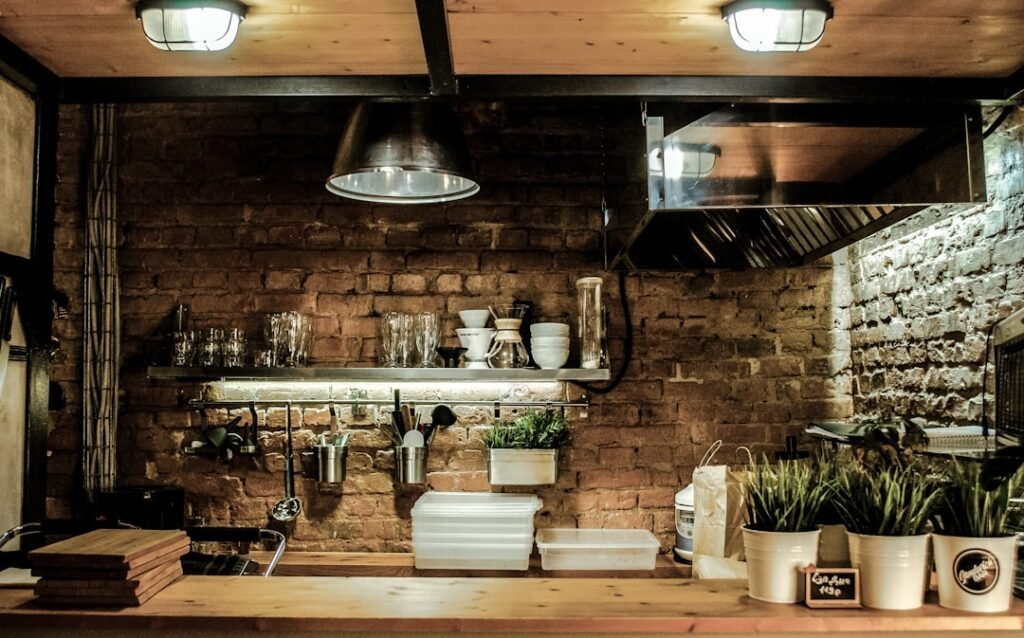
When you embark on the journey of creating your outdoor kitchen, the first step is to carefully plan its design and layout. You need to envision how you want the space to function and flow. Consider the activities you will be engaging in—will you be hosting large gatherings, or do you prefer intimate family dinners?
This will influence the size and arrangement of your kitchen. You might want to sketch a rough layout, taking into account the placement of key elements such as the grill, prep area, and dining space. Think about how you can create a natural flow between cooking and dining areas, ensuring that movement is easy and intuitive.
In addition to functionality, aesthetics play a crucial role in your outdoor kitchen’s design. You should consider how the kitchen will blend with your existing landscape and home architecture. Choosing a style that complements your outdoor environment can enhance the overall appeal of your space.
Whether you prefer a rustic charm with wooden accents or a sleek modern look with stainless steel finishes, your design choices should reflect your personal taste. Don’t forget to factor in the orientation of your kitchen; positioning it to take advantage of natural light and scenic views can elevate your outdoor cooking experience.
Key Takeaways
- Consider the layout and design of your outdoor kitchen to optimize functionality and flow for cooking and entertaining.
- Choose durable and aesthetically pleasing materials for your outdoor kitchen, such as stainless steel, stone, and weather-resistant wood.
- Essential appliances for an outdoor kitchen include grills, ovens, and refrigeration to ensure a complete cooking experience.
- Create a comfortable dining area with adequate seating and shade to enhance the outdoor dining experience.
- Incorporate functional storage with cabinets and countertops to keep your outdoor kitchen organized and efficient.
- Extend the alfresco feasting season with proper lighting and heating elements for added comfort and ambiance.
- Prioritize safety considerations such as fire prevention and ventilation to ensure a safe outdoor cooking environment.
- Maintain and care for your outdoor kitchen regularly to keep it in top shape and prolong its lifespan.
Choosing the Right Materials: Durability and Aesthetics
Selecting the right materials for your outdoor kitchen is essential for both durability and aesthetics. Outdoor environments can be harsh, with exposure to sun, rain, and varying temperatures. Therefore, you need materials that can withstand these elements while maintaining their beauty over time.
Stainless steel is a popular choice for appliances and fixtures due to its resistance to rust and corrosion. Additionally, stone or brick can provide a sturdy base for countertops and walls, offering both durability and a timeless look. While durability is paramount, aesthetics should not be overlooked.
You want your outdoor kitchen to be an inviting space that reflects your style. Consider using natural stone for countertops, which not only offers resilience but also adds a touch of elegance. You might also explore composite materials that mimic the look of wood or stone while providing enhanced durability.
The color palette you choose can significantly impact the overall vibe of your kitchen; warm tones can create a cozy atmosphere, while cooler shades can lend a modern feel.
Essential Appliances: Grills, Ovens, and Refrigeration

No outdoor kitchen is complete without the right appliances to facilitate your culinary adventures. The centerpiece of many outdoor kitchens is undoubtedly the grill. When selecting a grill, consider the type of fuel you prefer—gas, charcoal, or electric—and choose one that suits your cooking style.
A high-quality grill will not only enhance your cooking experience but also provide consistent results for perfectly cooked meals. In addition to grilling, you may want to incorporate other cooking appliances such as pizza ovens or smokers to diversify your outdoor cooking options. These appliances can elevate your gatherings by allowing you to prepare a variety of dishes that cater to different tastes.
Furthermore, refrigeration is essential for keeping ingredients fresh and beverages cool. A compact outdoor refrigerator or beverage cooler can be a game-changer, allowing you to serve guests without frequent trips indoors.
Creating a Comfortable Dining Area: Seating and Shade
Once you’ve established your cooking area, it’s time to focus on creating a comfortable dining space where you and your guests can enjoy meals together. The seating arrangement should encourage conversation and relaxation. You might opt for a large dining table that accommodates family-style meals or smaller bistro tables for a more intimate setting.
Consider using weather-resistant materials for furniture to ensure longevity in outdoor conditions. Shade is another critical aspect of your dining area. Depending on your climate, you may want to incorporate an umbrella, pergola, or awning to provide relief from the sun during hot summer days.
This not only enhances comfort but also protects your guests from potential sunburns. Additionally, adding some decorative elements like cushions or throws can make the space feel more inviting and cozy.
Incorporating Functional Storage: Cabinets and Countertops
An efficient outdoor kitchen requires ample storage solutions to keep everything organized and accessible. You should consider incorporating cabinets that are specifically designed for outdoor use; these are typically made from weather-resistant materials that can withstand moisture and temperature fluctuations. Having designated storage for utensils, cookware, and grilling tools will streamline your cooking process and keep your workspace tidy.
Countertops are another essential element in your outdoor kitchen design. They should provide enough space for food preparation while being durable enough to handle outdoor conditions. Materials like granite or concrete are excellent choices due to their resilience and ease of maintenance.
You might also want to include built-in shelves or open storage options for frequently used items, making them easily accessible while adding an aesthetic touch to your kitchen.
Lighting and Heating: Extending the Alfresco Feasting Season
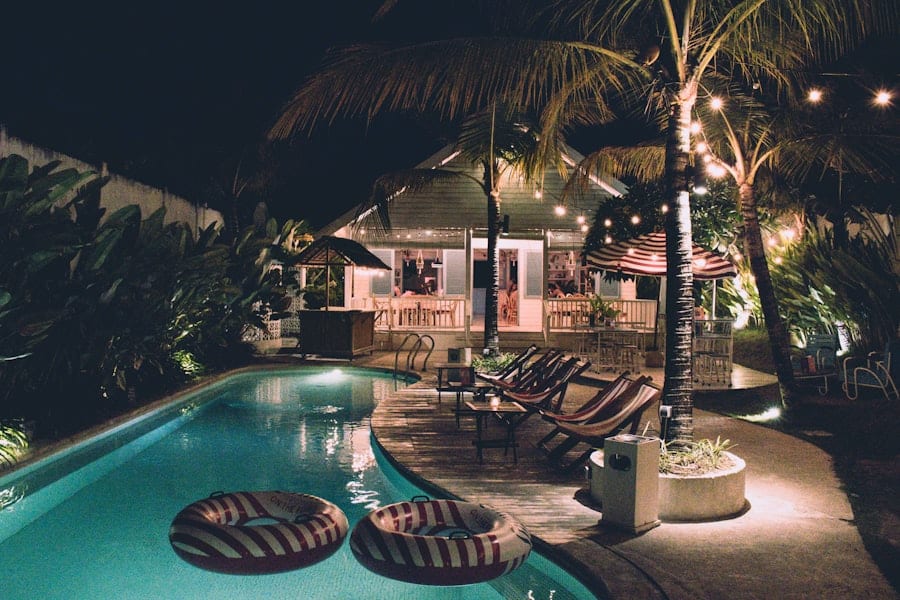
To truly enjoy your outdoor kitchen year-round, proper lighting and heating are essential components that can extend your alfresco feasting season. Ambient lighting can create a warm and inviting atmosphere during evening gatherings. Consider installing string lights or lanterns that add charm while providing adequate illumination for cooking and dining areas.
Heating options are equally important if you plan to use your outdoor kitchen during cooler months. Patio heaters or built-in fire pits can provide warmth while enhancing the ambiance of your space. You might also explore options like infrared heaters that are designed for outdoor use, ensuring comfort without compromising on style.
With the right lighting and heating solutions in place, you can enjoy delightful meals under the stars regardless of the season.
Safety Considerations: Fire Prevention and Ventilation
Safety should always be a top priority when designing your outdoor kitchen. Fire prevention measures are crucial, especially when working with grills and open flames. Ensure that there is adequate clearance around cooking appliances and that flammable materials are kept at a safe distance.
Installing fire extinguishers within easy reach is also a wise precaution. Ventilation is another critical aspect that should not be overlooked. Proper airflow helps dissipate smoke and odors while ensuring a comfortable cooking environment.
If you’re using gas appliances, make sure they are installed according to local codes and regulations to prevent any potential hazards. By prioritizing safety in your design, you can enjoy peace of mind while indulging in delicious outdoor meals.
Maintenance and Care: Keeping Your Outdoor Kitchen in Top Shape
Once you’ve created your dream outdoor kitchen, regular maintenance is key to keeping it in top shape for years to come. Start by establishing a cleaning routine; this includes wiping down surfaces after each use and deep cleaning appliances periodically to prevent grease buildup. Stainless steel surfaces may require special cleaners to maintain their shine without scratching.
Additionally, seasonal maintenance is essential for protecting your outdoor kitchen from harsh weather conditions. During winter months, consider covering appliances or storing them indoors if possible. Inspecting seals on cabinets and countertops will help prevent moisture damage over time.
By staying proactive with maintenance tasks, you can ensure that your outdoor kitchen remains a beautiful and functional space for entertaining friends and family for many seasons ahead. In conclusion, planning an outdoor kitchen involves careful consideration of design, materials, appliances, comfort, storage, safety, and maintenance. By taking the time to thoughtfully address each aspect, you can create an inviting space that enhances your outdoor living experience while providing endless opportunities for culinary creativity and memorable gatherings with loved ones.
If you’re interested in learning more about outdoor kitchen construction, you may want to check out the article on Better Home Contractor’s website about their services in Memphis, Tennessee. They offer expertise in creating beautiful outdoor living spaces, including custom outdoor kitchens. You can find more information about their work and how they can help you create the perfect alfresco dining experience by visiting their website here.
FAQs
What are the benefits of outdoor kitchen construction?
Outdoor kitchen construction allows for a seamless transition between indoor and outdoor living spaces, making it easier to entertain guests and enjoy the natural surroundings. It also adds value to the property and provides a convenient space for cooking and dining al fresco.
What are the key elements of outdoor kitchen construction?
Key elements of outdoor kitchen construction include a durable and weather-resistant countertop, a built-in grill or cooking area, adequate storage for utensils and cooking supplies, and comfortable seating for dining.
What materials are commonly used in outdoor kitchen construction?
Common materials used in outdoor kitchen construction include stainless steel for appliances and fixtures, natural stone or concrete for countertops, and weather-resistant wood or metal for cabinetry and seating.
What are some important considerations for outdoor kitchen construction?
Important considerations for outdoor kitchen construction include proper ventilation for the cooking area, adequate lighting for nighttime use, and the incorporation of shade or shelter to protect against the elements.
Are there any specific safety concerns to keep in mind during outdoor kitchen construction?
Safety concerns during outdoor kitchen construction include ensuring proper gas and electrical connections for appliances, using non-slip materials for flooring, and following local building codes and regulations for outdoor structures.