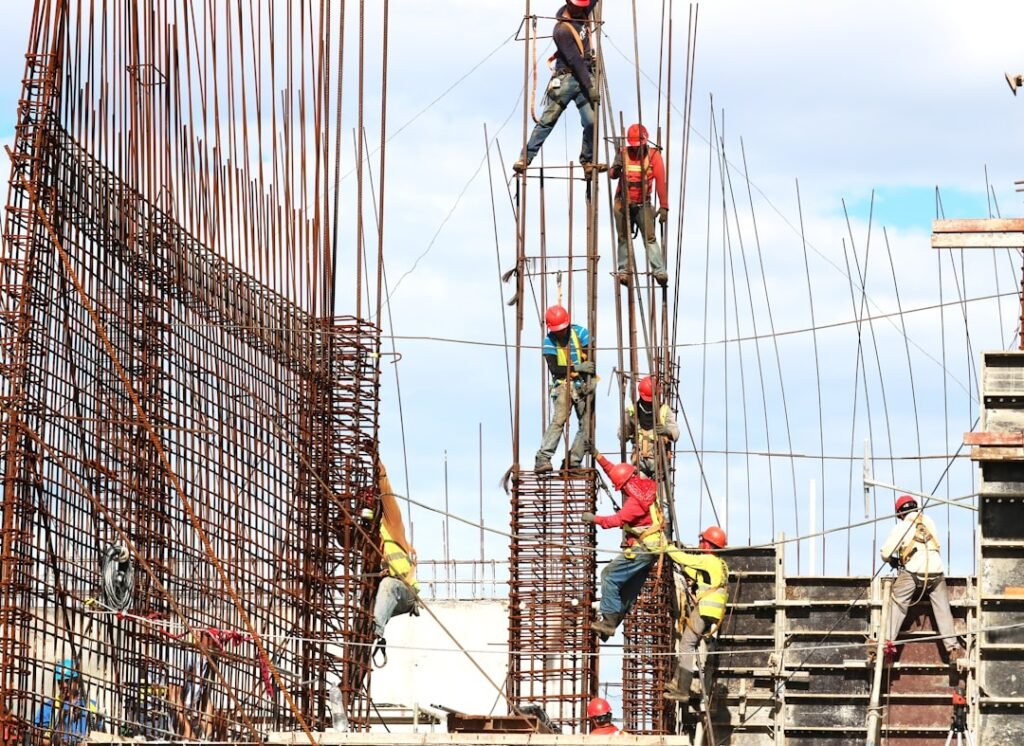
As an architect, your role extends far beyond the initial design and construction phases of a building. You are a key player in the post-construction transformation, where your vision and expertise can significantly influence how a structure interacts with its environment and the community. After the dust settles and the last nail is hammered, the real work begins.
You have the opportunity to assess how the building performs in terms of energy efficiency, functionality, and aesthetic appeal. This phase is crucial, as it allows you to gather feedback from occupants and stakeholders, enabling you to make informed decisions about potential renovations or upgrades. In this transformative stage, you can advocate for adaptive reuse, where existing structures are repurposed for new functions rather than being demolished.
This approach not only preserves historical value but also minimizes waste and reduces the carbon footprint associated with new construction. By engaging with the community and understanding their needs, you can guide the evolution of a building to better serve its purpose while maintaining its integrity. Your role as an architect is not just about creating spaces; it’s about fostering environments that adapt and thrive over time.
Key Takeaways
- Architects play a crucial role in post-construction transformation by reimagining and repurposing existing structures to meet modern needs and sustainability standards.
- Sustainable design principles and practices are essential for architects to create environmentally friendly and energy-efficient buildings that minimize their impact on the environment.
- Innovative materials and technologies, such as green roofs and solar panels, are being integrated into green architecture to enhance sustainability and energy efficiency.
- Case studies of successful post-construction transformations showcase how architects have revitalized and repurposed existing buildings to meet sustainable and modern needs.
- Collaboration with engineers and contractors is essential for architects to implement sustainable solutions and ensure the successful execution of green architecture projects.
Sustainable Design Principles and Practices
Sustainable design principles are at the forefront of modern architecture, and as an architect, you have the responsibility to integrate these practices into your work. Sustainability is not merely a trend; it is a necessity in today’s world, where climate change and resource depletion are pressing issues. You can start by incorporating passive design strategies that optimize natural light, ventilation, and thermal mass.
These elements not only enhance the comfort of occupants but also reduce reliance on artificial heating and cooling systems, leading to lower energy consumption. Moreover, you can advocate for the use of renewable energy sources such as solar panels and wind turbines. By designing buildings that harness these resources, you contribute to a significant reduction in greenhouse gas emissions.
Water conservation is another critical aspect of sustainable design. Implementing rainwater harvesting systems and low-flow fixtures can drastically reduce water usage in buildings. As you embrace these principles, you not only create environmentally friendly structures but also inspire others in the industry to follow suit.
Innovative Materials and Technologies in Green Architecture
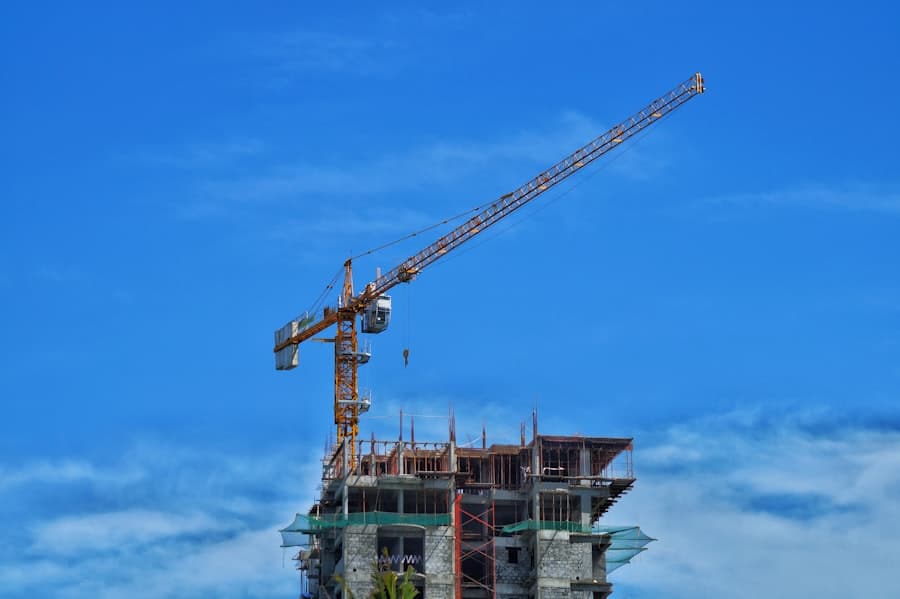
In your pursuit of sustainable architecture, innovative materials and technologies play a pivotal role. The construction industry is evolving rapidly, with new materials emerging that offer enhanced performance while being environmentally friendly. For instance, you might explore the use of recycled materials such as reclaimed wood or repurposed steel, which not only reduce waste but also add character to your designs.
Additionally, biocomposite materials made from natural fibers can provide sustainable alternatives to traditional building materials. Technological advancements also offer exciting possibilities for green architecture. Smart building technologies enable real-time monitoring of energy usage, allowing for adjustments that enhance efficiency.
As an architect, you can incorporate these systems into your designs to create intelligent buildings that respond to their environment. Furthermore, 3D printing technology is revolutionizing construction by allowing for rapid prototyping and reducing material waste. By staying abreast of these innovations, you can push the boundaries of what is possible in sustainable architecture.
Case Studies of Successful Post-construction Transformations
Examining case studies of successful post-construction transformations can provide valuable insights into effective practices and strategies. One notable example is the High Line in New York City, a former elevated railway transformed into a vibrant public park. As an architect, you can draw inspiration from this project’s ability to repurpose an underutilized space into a thriving community hub.
The design emphasizes native plant species and sustainable landscaping practices, showcasing how thoughtful planning can enhance urban environments. Another compelling case is the transformation of the Tate Modern in London. Originally a power station, this iconic museum exemplifies how adaptive reuse can breathe new life into a structure while preserving its historical significance.
The architects retained key elements of the original building while introducing modern interventions that enhance functionality and visitor experience. By studying such examples, you can glean lessons on how to approach post-construction transformations with creativity and respect for existing structures.
Collaboration with Engineers and Contractors for Sustainable Solutions
Collaboration is essential in achieving sustainable solutions in architecture. As an architect, working closely with engineers and contractors can lead to innovative outcomes that benefit both the project and the environment. Engineers bring technical expertise that complements your design vision, ensuring that sustainability goals are met without compromising structural integrity or safety.
By fostering open communication and collaboration from the outset, you can create a cohesive team dedicated to achieving shared objectives. Contractors also play a vital role in implementing sustainable practices on-site. Their knowledge of construction methods and materials can help identify opportunities for waste reduction and energy efficiency during the building process.
By involving them early in the design phase, you can ensure that your sustainable strategies are feasible and practical. This collaborative approach not only enhances the quality of the final product but also fosters a culture of sustainability within the construction industry.
The Impact of Green Architecture on the Environment and Communities
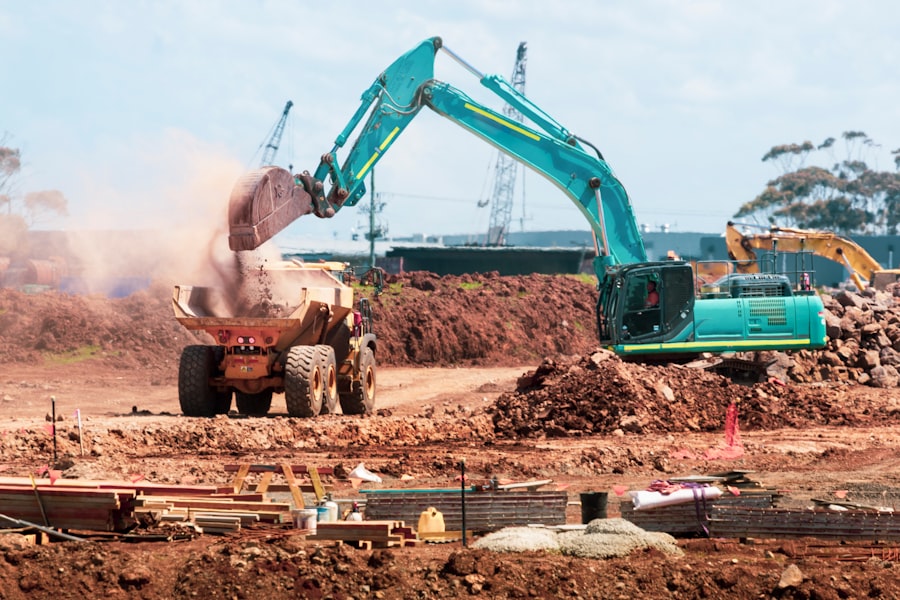
The impact of green architecture extends far beyond individual buildings; it resonates throughout communities and ecosystems. As an architect committed to sustainability, you have the power to influence environmental outcomes positively. Green buildings typically consume less energy and water, leading to reduced operational costs for occupants and lower emissions overall.
This shift contributes to cleaner air and water resources, promoting healthier living conditions for communities. Moreover, green architecture fosters social equity by creating spaces that are accessible and inclusive. Thoughtfully designed public spaces encourage community engagement and interaction, enhancing social cohesion.
By prioritizing green spaces within urban environments, you contribute to biodiversity and provide residents with areas for recreation and relaxation. The ripple effect of your work can lead to more resilient communities that thrive economically, socially, and environmentally.
Challenges and Opportunities in Post-construction Transformation
While post-construction transformation presents numerous opportunities for architects, it also comes with its share of challenges. One significant hurdle is navigating existing building codes and regulations that may not always align with sustainable practices. As an architect, you must be well-versed in local laws to advocate for necessary changes that support green initiatives.
Additionally, securing funding for renovations or retrofits can be difficult, especially when stakeholders may prioritize short-term costs over long-term benefits. However, these challenges also present opportunities for innovation and advocacy. By championing sustainable practices within your community and engaging with policymakers, you can help shape regulations that promote green architecture.
Furthermore, as awareness of climate change grows, there is increasing demand for sustainable solutions in both residential and commercial sectors. This shift creates a fertile ground for architects like you to lead transformative projects that align with contemporary values.
The Future of Green Architecture and the Role of Architects
Looking ahead, the future of green architecture is bright yet complex. As an architect, your role will continue to evolve as new technologies emerge and societal expectations shift towards sustainability. The integration of artificial intelligence in design processes may streamline workflows while enhancing creativity.
Additionally, as climate change intensifies, architects will be called upon to develop resilient designs that can withstand extreme weather events. Your responsibility will also extend to educating clients and communities about the importance of sustainable practices. By advocating for green architecture as a standard rather than an exception, you can help foster a culture of sustainability within the industry.
The future will require architects who are not only skilled designers but also passionate advocates for environmental stewardship and social responsibility. Embracing this multifaceted role will position you at the forefront of shaping a more sustainable built environment for generations to come.
Architects of Clean: the Heroes of Post-construction Transformation highlights the crucial role that architects play in transforming spaces into sustainable and environmentally friendly structures. For further reading on sustainable renovations, check out Weathering the Elements: Sustainable Weatherproofing in Historical Renovations. This article delves into the challenges and solutions of incorporating sustainable practices in historical renovations, providing valuable insights for architects and contractors alike.
FAQs
What is post-construction transformation?
Post-construction transformation refers to the process of renovating or repurposing a building or space after the initial construction is complete. This can include updating the design, improving energy efficiency, or adapting the space for a new use.
Who are the architects of clean?
The architects of clean are professionals in the architecture and design industry who specialize in sustainable and environmentally friendly building practices. They are dedicated to creating spaces that are energy efficient, environmentally responsible, and healthy for occupants.
What are some examples of post-construction transformation projects?
Examples of post-construction transformation projects include converting an old warehouse into a modern office space, renovating a historic building to meet current energy efficiency standards, or repurposing a commercial building into a residential complex.
What are the benefits of post-construction transformation?
Post-construction transformation can lead to a variety of benefits, including reduced energy consumption, lower operating costs, improved indoor air quality, and a smaller environmental footprint. It can also breathe new life into older buildings and contribute to the revitalization of urban areas.
How do architects of clean approach post-construction transformation?
Architects of clean approach post-construction transformation with a focus on sustainable design principles, energy efficiency, and the use of environmentally friendly materials. They may also incorporate features such as green roofs, solar panels, and efficient HVAC systems to create healthier and more sustainable spaces.