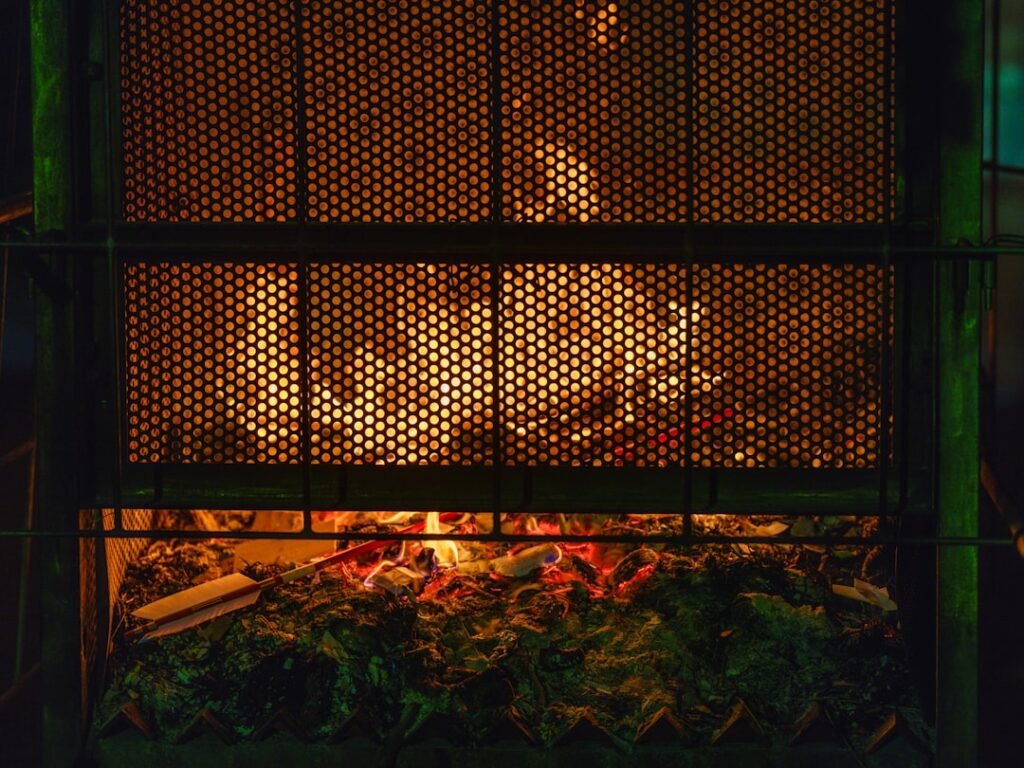
When you think about outdoor kitchens, the first thing that often comes to mind is the grill. However, fire features extend far beyond just cooking. They serve as a focal point, creating an inviting atmosphere that encourages social interaction and enhances the overall dining experience.
Imagine gathering with friends and family around a warm fire pit, sharing stories and laughter under the stars. This ambiance is not just about warmth; it’s about creating memories that last a lifetime. Fire features can transform your outdoor space into a cozy retreat, making it a year-round destination for relaxation and entertainment.
Moreover, fire features can elevate the functionality of your outdoor kitchen. They provide additional cooking options, such as roasting marshmallows or grilling vegetables over an open flame. This versatility allows you to expand your culinary repertoire and impress your guests with unique dishes.
Additionally, fire features can extend the usability of your outdoor kitchen into cooler months, allowing you to enjoy your space even when temperatures drop. By incorporating fire elements, you not only enhance the aesthetic appeal of your outdoor kitchen but also increase its practicality and enjoyment.
Key Takeaways
- Fire features in outdoor kitchens add ambiance and warmth to the space, making it a focal point for gatherings and entertainment.
- When integrating fire features into outdoor kitchen design, it’s important to consider the overall layout, functionality, and aesthetic appeal of the space.
- Safety considerations for fire features in outdoor kitchens include proper installation, fuel storage, and fire extinguishing equipment.
- Common types of fire features for outdoor kitchens include fire pits, fireplaces, and built-in grills with fire elements.
- Materials such as stainless steel, stone, and concrete are commonly used for fire features, and placement should be carefully considered for safety and functionality.
- Ventilation and air quality considerations are important to ensure that smoke and fumes are properly managed in outdoor kitchen spaces.
- Regular maintenance and care for fire features, including cleaning, fuel management, and inspection, are essential for safe and efficient operation.
- Legal and regulatory considerations for fire features in outdoor kitchens may include local building codes, permits, and safety standards that must be adhered to.
Design Considerations for Integrating Fire Features
When integrating fire features into your outdoor kitchen, design plays a crucial role in ensuring that everything harmonizes beautifully. You should consider the overall layout of your space, including how the fire feature will interact with other elements like seating areas, cooking stations, and pathways. A well-thought-out design will create a seamless flow, allowing for easy movement and accessibility.
For instance, placing a fire pit near seating can encourage conversation while keeping everyone warm and comfortable. Additionally, you should think about the style and materials of your fire feature to ensure they complement the existing aesthetics of your outdoor kitchen. Whether you prefer a modern look with sleek lines or a rustic vibe with natural stone, the fire feature should reflect your personal taste and enhance the overall design.
Lighting is another important aspect; consider how the flames will illuminate your space and create a welcoming atmosphere during evening gatherings. By carefully considering these design elements, you can create an outdoor kitchen that is not only functional but also visually stunning.
Safety Considerations for Integrating Fire Features
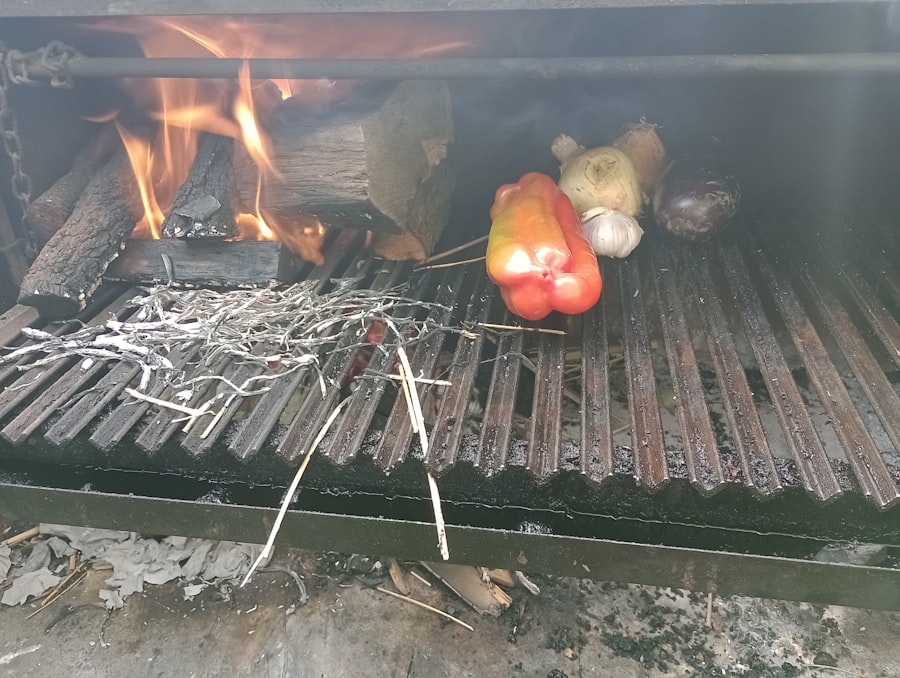
Safety is paramount when incorporating fire features into your outdoor kitchen. You must ensure that all fire elements are installed according to local regulations and safety standards. This includes maintaining a safe distance from flammable materials such as wooden structures, furniture, or overhanging branches.
You should also consider wind direction when positioning your fire feature; placing it in an area shielded from strong winds can help prevent embers from blowing into unwanted areas. In addition to proper placement, you should equip your outdoor kitchen with essential safety tools. Having a fire extinguisher nearby is crucial for quickly addressing any unexpected flare-ups.
You might also want to invest in spark screens or protective barriers around open flames to keep children and pets safe. Educating yourself and your guests about fire safety practices is equally important; ensure everyone knows how to use the fire feature responsibly and what to do in case of an emergency. By prioritizing safety, you can enjoy your outdoor kitchen with peace of mind.
Types of Fire Features for Outdoor Kitchens
There are various types of fire features you can incorporate into your outdoor kitchen, each offering unique benefits and aesthetics. Fire pits are among the most popular options, providing a central gathering place for friends and family. They come in various styles, from traditional wood-burning pits to modern gas models, allowing you to choose one that fits your design preferences and cooking needs.
Fire pits can be built-in or portable, giving you flexibility in how you use your outdoor space. Another option is an outdoor fireplace, which adds a touch of elegance to your kitchen while providing warmth and ambiance. Outdoor fireplaces can serve as a stunning focal point and can be designed to match the architectural style of your home.
If you’re looking for something more versatile, consider a built-in grill with integrated fire features, such as side burners or rotisserie attachments. These options allow you to cook while enjoying the warmth of an open flame, making them perfect for entertaining guests.
Materials and Placement for Fire Features
Choosing the right materials for your fire feature is essential for both durability and aesthetics. Common materials include stone, brick, concrete, and metal, each offering distinct advantages. Stone and brick provide a classic look that blends well with natural surroundings, while concrete offers modern versatility and can be molded into various shapes and sizes.
Metal fire features can add a contemporary touch but may require more maintenance to prevent rusting or corrosion. Placement is equally important when it comes to fire features. You should consider factors such as visibility, accessibility, and safety when deciding where to position your fire element.
Ideally, it should be located in a central area where it can be easily enjoyed by everyone but far enough away from flammable structures or materials. Additionally, think about how the placement will affect airflow; ensuring proper ventilation will enhance the efficiency of your fire feature while minimizing smoke exposure for guests.
Ventilation and Air Quality Considerations
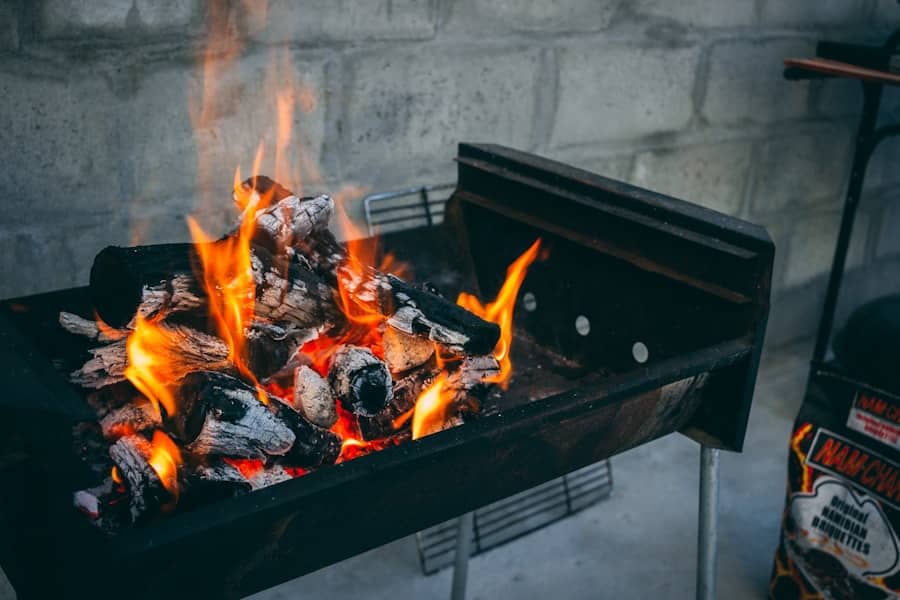
Ventilation is a critical aspect of integrating fire features into your outdoor kitchen. Proper airflow not only enhances the efficiency of your fire feature but also ensures that smoke does not accumulate in your cooking area or seating spaces. If you’re using an outdoor fireplace or grill that produces smoke, consider positioning it in an open area where wind can disperse smoke effectively.
This will create a more pleasant environment for cooking and dining. You should also be mindful of air quality when using fire features. Burning wood or other materials can release pollutants into the air, which may affect those with respiratory issues or allergies.
Opting for cleaner-burning fuels like propane or natural gas can help mitigate these concerns while still providing the warmth and ambiance you desire. Additionally, incorporating proper ventilation systems or exhaust fans can further improve air quality in your outdoor kitchen, ensuring a comfortable experience for everyone.
Maintenance and Care for Fire Features
Maintaining your fire features is essential for ensuring their longevity and safe operation. Regular cleaning is necessary to remove ash buildup and debris that can accumulate over time. For wood-burning fire pits or fireplaces, make it a habit to clean out ashes after each use to prevent blockages and ensure proper airflow during future fires.
If you have a gas-powered feature, check for any signs of wear or damage in hoses and connections regularly. In addition to cleaning, seasonal maintenance is crucial for keeping your fire features in top condition. Before winter sets in, consider covering your fire pit or fireplace to protect it from harsh weather conditions.
Inspecting the structure for cracks or damage at least once a year will help you catch any issues early on before they become more significant problems. By dedicating time to maintenance and care, you can enjoy your fire features safely and effectively for years to come.
Legal and Regulatory Considerations for Fire Features
Before installing any fire feature in your outdoor kitchen, it’s essential to familiarize yourself with local laws and regulations regarding outdoor fires. Many municipalities have specific guidelines regarding the types of fuels allowed, distances from structures, and even permits required for installation. Ignoring these regulations could lead to fines or even dangerous situations if fires are not managed properly.
You should also check if there are any homeowner association (HOA) rules that may impact your plans for fire features in your outdoor kitchen. Some communities have restrictions on open flames or specific requirements for safety measures like screens or barriers. By understanding these legal considerations upfront, you can ensure that your outdoor kitchen remains compliant while providing a safe and enjoyable space for entertaining friends and family.
In conclusion, integrating fire features into your outdoor kitchen offers numerous benefits that enhance both functionality and ambiance. By considering design elements, safety measures, types of features available, materials used, ventilation needs, maintenance requirements, and legal regulations, you can create an inviting space that serves as a perfect backdrop for gatherings year-round. With careful planning and attention to detail, you can enjoy the warmth and charm of fire features while making lasting memories with loved ones in your outdoor oasis.
If you are considering integrating fire features into your outdoor kitchen, you may also be interested in reading about how historical spaces can be adapted for contemporary living. This article from Better Home Contractor discusses the transformation of heritage properties to meet the needs of modern homeowners. To learn more about this topic, visit here.
FAQs
What are some design considerations for integrating fire features into an outdoor kitchen?
Some design considerations for integrating fire features into an outdoor kitchen include ensuring proper ventilation, choosing materials that can withstand high temperatures, and creating a cohesive design that complements the overall outdoor space.
What are some safety considerations for integrating fire features into an outdoor kitchen?
Safety considerations for integrating fire features into an outdoor kitchen include following local building codes and regulations, installing fire-resistant materials, providing adequate clearance around the fire feature, and ensuring proper fuel storage and handling.
What are some popular fire features that can be integrated into an outdoor kitchen?
Popular fire features that can be integrated into an outdoor kitchen include fire pits, fireplaces, built-in grills with a fire element, and fire tables. Each of these features can add warmth, ambiance, and functionality to the outdoor kitchen space.
How can I ensure that the integration of fire features into my outdoor kitchen is done safely and effectively?
To ensure the safe and effective integration of fire features into an outdoor kitchen, it is important to work with a professional designer or contractor who has experience in outdoor kitchen design and fire feature installation. They can help ensure that the design and installation meet safety standards and local regulations.