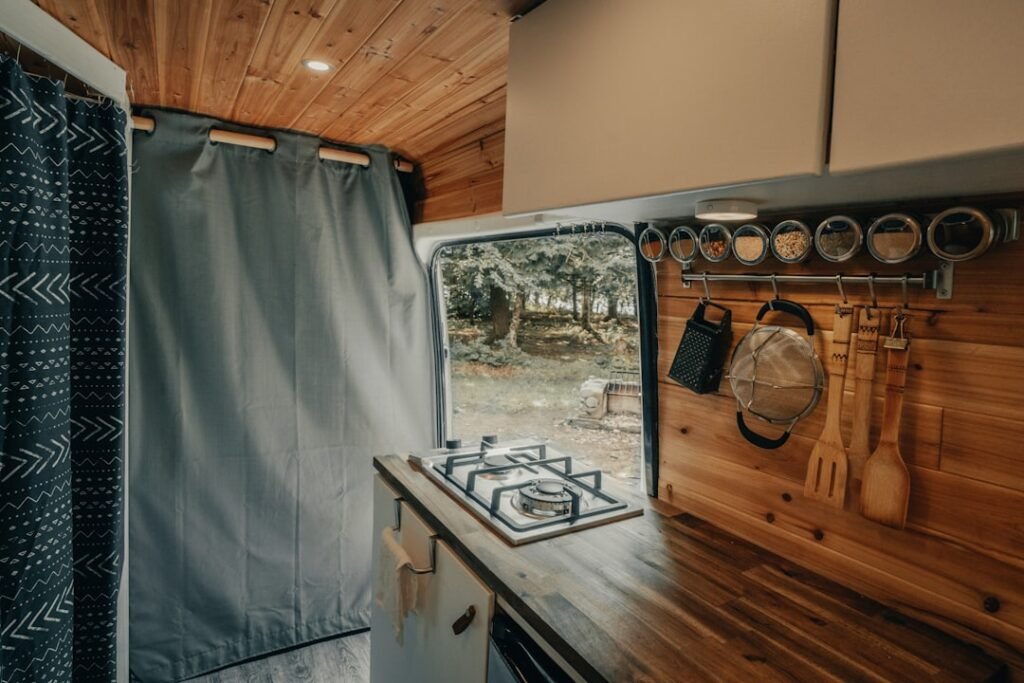
As you embark on the journey of creating an outdoor kitchen, the importance of sustainability and eco-friendliness cannot be overstated. In a world increasingly aware of environmental issues, constructing an outdoor kitchen that harmonizes with nature is not just a trend; it’s a responsibility. By choosing sustainable practices, you can create a space that not only enhances your outdoor living experience but also minimizes your ecological footprint.
This approach allows you to enjoy the beauty of nature while contributing positively to the environment. Sustainable outdoor kitchen construction involves thoughtful planning and the selection of materials and practices that prioritize environmental health. From the initial design phase to the final touches, every decision you make can reflect a commitment to sustainability.
By integrating eco-friendly elements into your outdoor kitchen, you can create a beautiful space that serves as a gathering point for family and friends while promoting a healthier planet.
Key Takeaways
- Sustainable outdoor kitchen construction focuses on using environmentally friendly materials and practices to minimize the impact on the environment.
- Recycled and reclaimed materials can be used to create unique and eco-friendly outdoor kitchen designs, reducing the need for new resources.
- Renewable and biodegradable materials such as bamboo and cork can be incorporated into outdoor kitchen construction for a more sustainable approach.
- Energy-efficient appliances and water-saving fixtures can be integrated into outdoor kitchen designs to reduce energy and water consumption.
- Choosing low-impact and non-toxic building materials for outdoor kitchens is essential for creating a healthy and sustainable living space.
Using Recycled and Reclaimed Materials in Outdoor Kitchen Construction
One of the most impactful ways to ensure your outdoor kitchen is sustainable is by utilizing recycled and reclaimed materials. These materials not only reduce waste but also add character and history to your space. Imagine using reclaimed wood from an old barn for your countertops or repurposed bricks for your outdoor pizza oven.
Each piece tells a story, making your kitchen unique while minimizing the demand for new resources. Incorporating recycled materials can also be cost-effective. Many suppliers offer reclaimed materials at a fraction of the cost of new ones, allowing you to achieve a high-end look without breaking the bank.
Additionally, using materials that have already served a purpose reduces the energy consumption associated with manufacturing new products. As you plan your outdoor kitchen, consider visiting local salvage yards or architectural salvage stores to find treasures that can be transformed into functional and beautiful elements of your design.
Incorporating Renewable and Biodegradable Materials in Outdoor Kitchen Construction
In your quest for an eco-friendly outdoor kitchen, consider incorporating renewable and biodegradable materials. Bamboo, for instance, is an excellent choice due to its rapid growth and renewability. It can be used for everything from cabinetry to flooring, providing a stylish yet sustainable option.
Similarly, cork is another renewable material that can be utilized in various applications, offering both durability and aesthetic appeal. Biodegradable materials are equally important in creating a sustainable outdoor kitchen. When selecting items like compostable utensils or biodegradable serving ware, you contribute to reducing plastic waste.
Additionally, choosing finishes and sealants that are free from harmful chemicals ensures that your outdoor kitchen remains safe for both your family and the environment. By prioritizing renewable and biodegradable options, you create a space that aligns with eco-conscious values while still being functional and inviting.
Energy-efficient and Water-saving Practices for Outdoor Kitchen Construction
Energy efficiency is a crucial aspect of sustainable outdoor kitchen construction. You can implement various practices to reduce energy consumption while still enjoying modern conveniences. For instance, consider installing energy-efficient appliances that consume less electricity without sacrificing performance.
Look for appliances with Energy Star ratings, which indicate they meet strict energy efficiency guidelines. Water conservation is equally important in outdoor kitchen design. You might want to incorporate low-flow faucets and fixtures that reduce water usage without compromising functionality.
Additionally, consider installing a rainwater harvesting system to collect rainwater for irrigation or other non-potable uses in your outdoor space. By integrating these energy-efficient and water-saving practices, you not only lower your utility bills but also contribute to the preservation of vital resources.
Choosing Low-impact and Non-toxic Building Materials for Outdoor Kitchens
When constructing your outdoor kitchen, selecting low-impact and non-toxic building materials is essential for ensuring a healthy environment. Traditional building materials often contain harmful chemicals that can leach into the soil or air, posing risks to both human health and the ecosystem. Instead, opt for materials that are free from volatile organic compounds (VOCs) and other toxic substances.
Natural stone, for example, is an excellent choice for countertops and surfaces as it is durable and does not emit harmful chemicals. Similarly, look for paints and finishes that are labeled as low-VOC or zero-VOC to minimize indoor air pollution. By prioritizing low-impact materials, you create an outdoor kitchen that is not only beautiful but also safe for your family and the environment.
Designing for Natural Ventilation and Lighting in Outdoor Kitchen Construction
Designing your outdoor kitchen with natural ventilation and lighting in mind can significantly enhance its sustainability. Proper ventilation helps reduce reliance on mechanical cooling systems, allowing fresh air to circulate freely throughout the space. You might consider incorporating large windows or strategically placed openings that promote cross-ventilation, ensuring a comfortable cooking environment even on warm days.
Natural lighting is another critical element in sustainable design. By maximizing daylight through skylights or large glass doors, you can reduce the need for artificial lighting during the day. This not only saves energy but also creates a warm and inviting atmosphere in your outdoor kitchen.
As you plan your layout, think about how you can harness natural light and airflow to create a space that feels open and connected to nature.
Implementing Sustainable Landscaping and Permeable Surfaces in Outdoor Kitchen Areas
The area surrounding your outdoor kitchen plays a significant role in its overall sustainability. Implementing sustainable landscaping practices can enhance both the aesthetic appeal and ecological health of your space. Consider using native plants that require less water and maintenance while providing habitat for local wildlife.
These plants are well-adapted to your region’s climate, making them an excellent choice for an eco-friendly landscape. In addition to plant selection, incorporating permeable surfaces around your outdoor kitchen can help manage stormwater runoff effectively. Permeable pavers or gravel allow rainwater to seep into the ground rather than pooling on hard surfaces, reducing erosion and promoting groundwater recharge.
By integrating sustainable landscaping techniques and permeable surfaces, you create an outdoor kitchen area that works in harmony with nature while enhancing its beauty.
Creating a Beautiful and Sustainable Outdoor Kitchen Space
In conclusion, creating a beautiful and sustainable outdoor kitchen space is an achievable goal that requires thoughtful planning and consideration of various eco-friendly practices. From using recycled materials to incorporating renewable resources, every choice you make contributes to a healthier environment while enhancing your outdoor living experience. By prioritizing energy efficiency, water conservation, and non-toxic materials, you ensure that your outdoor kitchen is not only functional but also safe for your family.
As you design your outdoor kitchen, remember that sustainability goes hand in hand with aesthetics. A well-planned space can be both visually stunning and environmentally responsible. By embracing natural ventilation, lighting, and sustainable landscaping practices, you create an inviting atmosphere that encourages gatherings with loved ones while respecting the planet.
Ultimately, your commitment to sustainability will result in an outdoor kitchen that reflects your values and serves as a beautiful extension of your home for years to come.
If you are looking for sustainable and eco-friendly materials and practices for your outdoor kitchen construction, you may want to consider hiring a Better Home Contractor. Better Home Contractor is a company that specializes in environmentally friendly home improvement projects. They have locations in Yuba City, California, Athens-Clarke County, Georgia, and Eagan, Minnesota. You can learn more about their services and how they can help you create a sustainable outdoor kitchen by visiting their website here.
FAQs
What are sustainable and eco-friendly materials for outdoor kitchen construction?
Sustainable and eco-friendly materials for outdoor kitchen construction include reclaimed wood, bamboo, recycled composite materials, stainless steel, and natural stone such as granite or soapstone. These materials are renewable, have minimal environmental impact, and are often locally sourced.
What are some eco-friendly practices to incorporate into outdoor kitchen construction?
Some eco-friendly practices to incorporate into outdoor kitchen construction include using energy-efficient appliances, installing a rainwater harvesting system for irrigation, incorporating natural ventilation and lighting, and using permeable paving materials to reduce stormwater runoff.
How can I ensure that my outdoor kitchen construction is sustainable?
To ensure that your outdoor kitchen construction is sustainable, you can work with a contractor who specializes in green building practices, use certified sustainable materials, and prioritize energy efficiency and water conservation in the design and construction process.
Are there any certifications or standards for sustainable outdoor kitchen construction?
There are several certifications and standards for sustainable outdoor kitchen construction, such as LEED (Leadership in Energy and Environmental Design) certification, which sets criteria for energy efficiency, water conservation, and materials selection. Additionally, the Forest Stewardship Council (FSC) certification ensures that wood products come from responsibly managed forests.
What are the benefits of incorporating sustainable and eco-friendly materials and practices into outdoor kitchen construction?
Incorporating sustainable and eco-friendly materials and practices into outdoor kitchen construction can reduce environmental impact, conserve natural resources, lower energy and water usage, and create a healthier and more comfortable outdoor living space. Additionally, it can increase the value of your property and appeal to environmentally conscious buyers.