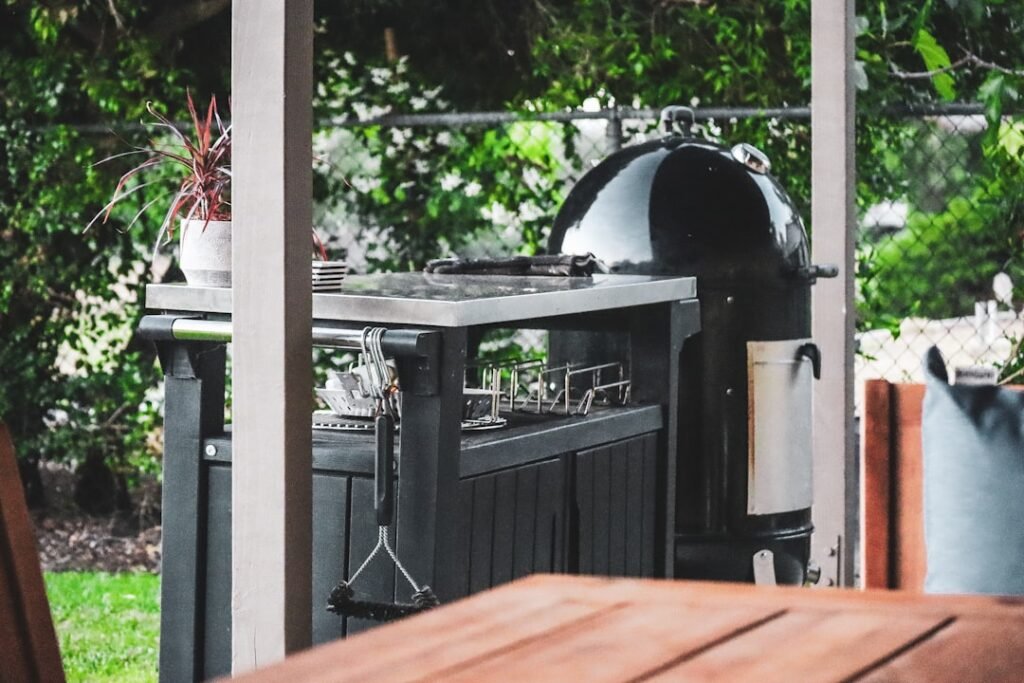
When you embark on the journey of designing your outdoor kitchen space, the first step is to envision how you want it to function and feel. Consider the layout that best suits your cooking style and entertaining needs. Do you prefer a traditional setup with a central grill and prep area, or are you leaning towards a more modern design with an island that allows for social interaction?
Think about the flow of movement; you want to create a space that allows for easy navigation between cooking, dining, and relaxing areas. Sketching out your ideas can help you visualize the final product and ensure that every element serves a purpose. In addition to functionality, aesthetics play a crucial role in your outdoor kitchen design.
You might want to harmonize the kitchen with your home’s architecture or the surrounding landscape. Choosing a color palette that complements your outdoor environment can enhance the overall appeal. Incorporating natural elements like stone or wood can create a warm and inviting atmosphere.
As you design, consider how the kitchen will be used throughout the seasons. Will it be a cozy retreat in the fall or a vibrant gathering spot in the summer? Your design should reflect not only your personal style but also the lifestyle you envision for your outdoor space.
Key Takeaways
- Design your outdoor kitchen space with functionality and flow in mind to make cooking and entertaining easier.
- Select appliances and features that are suitable for outdoor use and can withstand the elements.
- Choose durable and stylish materials for countertops, cabinets, and flooring that can withstand outdoor conditions.
- Create a comfortable seating area with ample space for guests and consider adding shade for hot days.
- Incorporate smart technology for convenience, such as a smart grill or outdoor speakers for entertainment.
- Enhance the ambiance with strategic lighting and outdoor décor to create a welcoming atmosphere.
- Plan for storage and organization to keep your outdoor kitchen tidy and efficient.
- Maintain and care for your outdoor kitchen regularly to ensure it stays in top condition for years to come.
Selecting the Right Appliances and Features
Once you have a clear design in mind, it’s time to select the right appliances and features that will bring your outdoor kitchen to life. The choice of appliances is critical, as they will determine how effectively you can cook and entertain outdoors. You might want to invest in a high-quality grill that suits your cooking preferences, whether it’s gas, charcoal, or even a wood-fired option.
Additionally, consider incorporating other cooking appliances such as a pizza oven, smoker, or side burners for added versatility. Each appliance should be chosen based on how often you plan to use it and what types of meals you enjoy preparing. Beyond cooking appliances, think about features that will enhance your outdoor kitchen experience.
A built-in refrigerator can keep beverages cold and ingredients fresh, while a sink with running water adds convenience for food prep and cleanup. You may also want to include storage solutions like cabinets or drawers to keep utensils and cookware organized and easily accessible. Don’t forget about the importance of ventilation; a range hood can help manage smoke and odors, ensuring that your outdoor cooking area remains pleasant for both you and your guests.
Choosing Durable and Stylish Materials
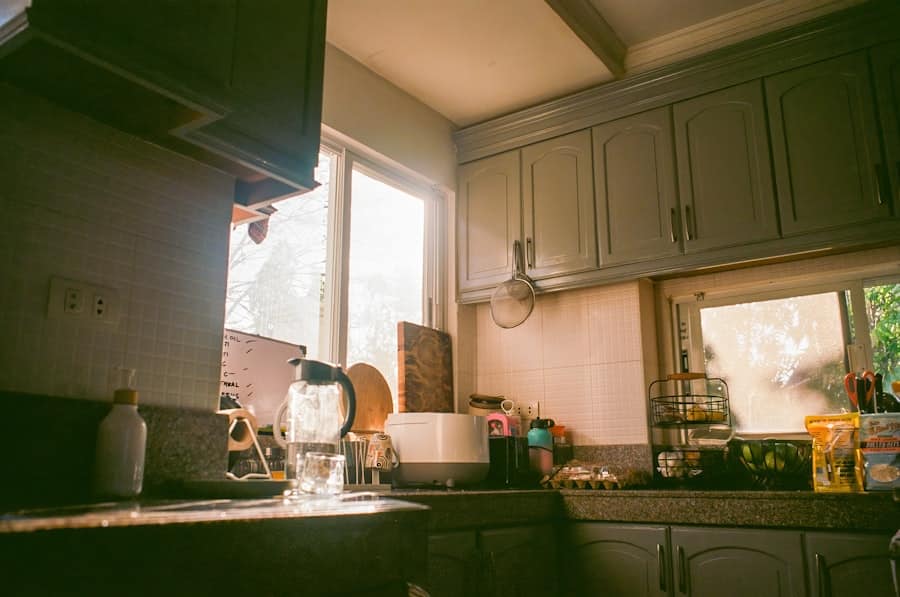
The materials you choose for your outdoor kitchen are essential not only for aesthetics but also for durability. Outdoor environments can be harsh, with exposure to sun, rain, and temperature fluctuations. Therefore, selecting materials that can withstand these elements is crucial.
Stainless steel is a popular choice for appliances and fixtures due to its resistance to rust and corrosion. For countertops, consider materials like granite or quartzite, which are not only beautiful but also highly durable and easy to maintain. In addition to functionality, the style of materials can significantly impact the overall look of your outdoor kitchen.
You might opt for natural stone for a rustic feel or sleek concrete for a modern aesthetic. The choice of cabinetry is also important; weather-resistant materials like marine-grade polymer can provide longevity while maintaining an attractive appearance. As you select materials, think about how they will work together to create a cohesive look that reflects your personal taste while ensuring that your outdoor kitchen remains functional for years to come.
Creating a Functional and Comfortable Seating Area
A well-designed outdoor kitchen should include a comfortable seating area where you and your guests can relax and enjoy meals together. When planning this space, consider the number of people you typically entertain and choose seating that accommodates everyone comfortably. You might opt for bar stools at an island counter for casual dining or a more traditional dining table for larger gatherings.
The arrangement should encourage conversation and interaction, making it easy for guests to engage with the cook while enjoying their meals. Comfort is key when selecting seating options. Look for weather-resistant cushions that provide support while adding a pop of color to your outdoor space.
You may also want to incorporate shade solutions like umbrellas or pergolas to protect against the sun during hot summer days. Additionally, consider adding features like fire pits or outdoor heaters to extend the usability of your seating area into cooler months. By creating a welcoming environment, you’ll ensure that your outdoor kitchen becomes a favorite gathering spot for family and friends.
Incorporating Smart Technology for Convenience
In today’s digital age, incorporating smart technology into your outdoor kitchen can enhance convenience and efficiency. Imagine being able to control your grill’s temperature from your smartphone or receiving alerts when your food is ready. Smart grills and ovens are designed with advanced features that allow for precise cooking control, making it easier than ever to achieve perfect results every time.
You might also consider smart lighting systems that can be adjusted remotely, allowing you to set the mood for evening gatherings with just a few taps on your device. Beyond cooking appliances, smart technology can also improve safety in your outdoor kitchen. Consider installing smart smoke detectors or security cameras that can be monitored from anywhere.
These features not only provide peace of mind but also allow you to focus on entertaining without worrying about potential hazards. As you integrate technology into your outdoor space, think about how it can streamline your cooking process and enhance your overall experience.
Enhancing the Ambiance with Lighting and Décor

The right lighting can transform your outdoor kitchen into an enchanting space that invites relaxation and enjoyment. Layering different types of lighting—ambient, task, and accent—can create a warm and inviting atmosphere. For instance, pendant lights above the cooking area can provide focused illumination while string lights or lanterns can add a whimsical touch to dining spaces.
Consider using dimmable lights to adjust the brightness according to the time of day or occasion. In addition to lighting, decorative elements can further enhance the ambiance of your outdoor kitchen. You might choose vibrant tableware or colorful cushions that reflect your personality and style.
Incorporating plants or herbs not only adds beauty but also provides fresh ingredients at your fingertips. Artwork or decorative screens can create visual interest while providing privacy from neighbors. By thoughtfully combining lighting and décor, you’ll create an inviting atmosphere that encourages gatherings and memorable moments.
Planning for Storage and Organization
An efficient outdoor kitchen requires careful planning for storage and organization to keep everything tidy and accessible. Start by assessing what tools and equipment you’ll need on hand while cooking outdoors. Built-in cabinets or shelves can provide ample storage for utensils, cookware, and serving dishes, ensuring that everything is within reach when you need it.
Consider incorporating pull-out drawers or lazy Susans for easy access to smaller items. In addition to traditional storage solutions, think creatively about how to maximize space in your outdoor kitchen. Magnetic strips can hold knives securely while freeing up counter space, and wall-mounted racks can keep pots and pans organized yet easily accessible.
You might also want to include designated areas for grilling accessories like spatulas or tongs so they’re always at hand when needed. By prioritizing organization in your design, you’ll create a functional workspace that enhances your cooking experience.
Maintaining and Caring for Your Outdoor Kitchen
Once your outdoor kitchen is complete, ongoing maintenance is essential to ensure its longevity and functionality. Regular cleaning is crucial; make it a habit to wipe down surfaces after each use to prevent buildup from grease or food particles. Stainless steel appliances should be cleaned with appropriate cleaners designed specifically for them to avoid scratches or damage.
For stone countertops, sealing them periodically will help protect against stains and weathering. In addition to cleaning, seasonal maintenance checks are important as well. Inspecting appliances for any wear or damage ensures they remain in good working order throughout the year.
If you have any wooden elements in your outdoor kitchen, consider applying protective finishes regularly to prevent rot or fading from sun exposure. By dedicating time to care for your outdoor kitchen, you’ll preserve its beauty and functionality, allowing you to enjoy countless meals and gatherings in this cherished space for years to come.
If you’re looking to enhance your outdoor living space even further, you may want to consider unlocking the hidden potential of your home with some strategic home repairs. This article on Better Home Contractor provides valuable insights on how simple repairs and upgrades can add value to your property. Whether you’re in Baltimore, Maryland, or Milwaukee, Wisconsin, the experts at Better Home Contractor can help you transform your home into a more functional and enjoyable space.
FAQs
What is an outdoor kitchen?
An outdoor kitchen is a space designed for cooking and entertaining outdoors, typically equipped with a grill, countertops, storage, and other amenities for food preparation and dining.
What are the benefits of having an outdoor kitchen?
Having an outdoor kitchen allows for easy and convenient outdoor cooking and entertaining, reduces the need to constantly go back and forth between indoor and outdoor spaces, and adds value to the home.
What are the essential components of an outdoor kitchen?
Essential components of an outdoor kitchen include a grill, countertops, storage cabinets, a sink, and adequate lighting. Additional features such as a refrigerator, pizza oven, and bar area can enhance the outdoor kitchen experience.
What materials are commonly used in outdoor kitchen construction?
Common materials used in outdoor kitchen construction include stainless steel, stone, brick, and concrete for countertops, cabinets, and cooking surfaces. These materials are chosen for their durability and ability to withstand outdoor elements.
How can I design an outdoor kitchen that suits my needs and space?
When designing an outdoor kitchen, consider the available space, your cooking and entertaining needs, and the overall aesthetic of your outdoor living area. It’s important to work with a professional to ensure that the design and layout are functional and meet local building codes.
What maintenance is required for an outdoor kitchen?
Regular maintenance of an outdoor kitchen includes cleaning the grill and other cooking surfaces, sealing countertops, and protecting outdoor appliances and furniture from the elements. It’s important to follow manufacturer’s guidelines for maintenance and care.