Building on Solid Ground: The Importance of Proper Site Preparation
When embarking on any construction project, the significance of site preparation cannot be overstated. This initial phase lays the groundwork for the entire endeavor, influencing everything from structural integrity to project timelines and budgets. You may think of site preparation as the foundation upon which your vision will be built.
Without proper preparation, even the most meticulously planned projects can face delays, increased costs, and unforeseen complications. By investing time and resources into this critical stage, you set the stage for a successful outcome. Site preparation encompasses a variety of tasks that ensure the land is ready for construction.
This includes assessing the topography, clearing vegetation, grading the land, and addressing soil conditions. Each of these elements plays a vital role in determining how well your project will proceed. For instance, if you neglect to properly assess the site conditions, you may encounter issues such as poor drainage or unstable soil later on, which can lead to costly repairs or even project failure.
Therefore, understanding the importance of site preparation is essential for anyone looking to undertake a construction project.
Key Takeaways
- Proper site preparation is crucial for the success of any construction project
- Assessing site conditions helps in understanding the potential challenges and opportunities
- Clearing and grading the land ensures a level and stable foundation for construction
- Soil compaction is important to prevent settling and structural damage
- Proper drainage and erosion control are essential for maintaining the integrity of the site and preventing water damage
Assessing the Site Conditions
Before you can begin any physical work on your site, it is crucial to conduct a thorough assessment of the existing conditions. This involves evaluating various factors such as soil type, topography, vegetation, and existing structures. You should take the time to gather as much information as possible about the site, as this will inform your decisions moving forward.
For example, if you discover that the soil is predominantly clay, you may need to consider additional measures for drainage and stability. In addition to soil analysis, you should also examine the surrounding environment. Are there any nearby bodies of water that could affect drainage?
What about existing utilities or infrastructure? Understanding these elements will help you anticipate potential challenges and develop strategies to address them. By conducting a comprehensive assessment of site conditions, you position yourself to make informed decisions that will ultimately benefit your project.
Clearing and Grading the Land

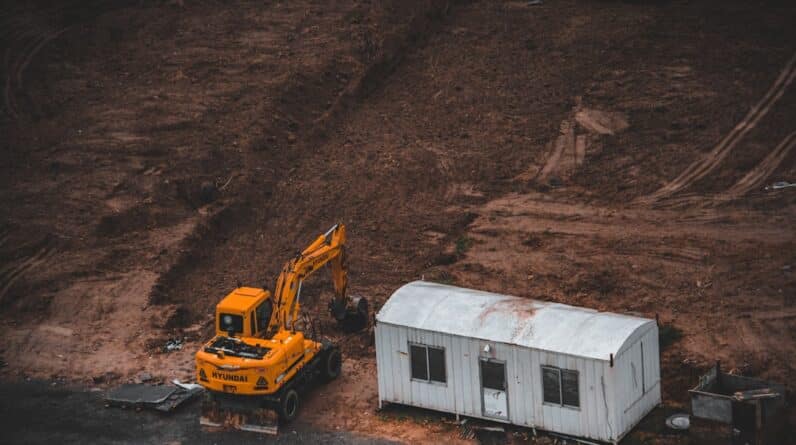
Once you have assessed the site conditions, the next step is to clear and grade the land. This process involves removing any vegetation, debris, or existing structures that may interfere with construction. You may find that this step is more than just a matter of aesthetics; it is essential for ensuring a stable foundation for your project.
Clearing the land allows you to identify any underlying issues that may not have been apparent during your initial assessment. Grading is equally important, as it involves leveling the ground to create a suitable surface for construction. Proper grading ensures that water drains away from your building site, reducing the risk of flooding or erosion in the future.
You should pay close attention to the slope of the land during this process; even a slight miscalculation can lead to significant problems down the line. By taking the time to clear and grade the land effectively, you create a solid foundation for your construction project.
Importance of Soil Compaction
Soil compaction is a critical aspect of site preparation that often goes overlooked. When soil is compacted, it becomes denser and more stable, providing a solid base for any structures built on top of it. You may not realize it, but inadequate soil compaction can lead to serious issues such as settling or shifting over time.
This can compromise the integrity of your building and result in costly repairs or even safety hazards. To achieve proper soil compaction, you should consider using specialized equipment such as rollers or compactors. These tools help compress the soil to the desired density, ensuring that it can support the weight of your structure.
Additionally, you should monitor moisture levels during this process; overly wet or dry soil can hinder compaction efforts. By prioritizing soil compaction in your site preparation efforts, you enhance the stability and longevity of your construction project.
Proper Drainage and Erosion Control
Effective drainage and erosion control are essential components of site preparation that can significantly impact your project’s success. Proper drainage systems help manage water runoff, preventing flooding and water accumulation around your building site. You should consider installing drainage ditches, culverts, or French drains to direct water away from your foundation.
By doing so, you reduce the risk of water damage and create a safer environment for construction. Erosion control is equally important, especially if your site is located on a slope or near water bodies. Without adequate measures in place, soil erosion can lead to loss of valuable topsoil and destabilization of your site.
You might explore options such as silt fences, sediment basins, or vegetation planting to mitigate erosion risks. By implementing effective drainage and erosion control strategies during site preparation, you protect both your investment and the surrounding environment.
Considerations for Utilities and Infrastructure

As you prepare your site for construction, it is crucial to consider existing utilities and infrastructure. This includes water lines, gas lines, electrical systems, and sewage connections that may be buried beneath the surface. Before breaking ground, you should contact local utility companies to obtain information about their services in your area.
Failing to account for these utilities can lead to costly delays or even dangerous accidents during construction. In addition to identifying existing utilities, you should also plan for any new infrastructure that will be required for your project. This may involve coordinating with utility companies to install new lines or connections before construction begins.
By addressing these considerations early in the site preparation process, you minimize disruptions and ensure that your project proceeds smoothly.
Environmental Impact and Regulations
In today’s world, understanding the environmental impact of your construction project is more important than ever. As you prepare your site, you should familiarize yourself with local regulations regarding land use and environmental protection. Many areas have specific guidelines in place to safeguard natural resources and minimize disruption to local ecosystems.
You may need to obtain permits or conduct environmental assessments before proceeding with your project. Being proactive about environmental considerations not only helps you comply with regulations but also enhances your project’s reputation within the community. You might explore sustainable practices such as using eco-friendly materials or implementing green building techniques during construction.
By prioritizing environmental impact during site preparation, you contribute positively to both your project and the surrounding area.
Hiring a Professional Site Preparation Contractor
While some aspects of site preparation may seem manageable on your own, hiring a professional contractor can save you time and ensure quality results. Experienced contractors bring valuable expertise and resources to the table, allowing them to navigate challenges more effectively than an inexperienced individual might be able to do alone. They understand local regulations and have established relationships with utility companies and other stakeholders that can facilitate smoother project execution.
When selecting a contractor for your site preparation needs, take the time to research potential candidates thoroughly. Look for reviews or testimonials from previous clients and ask for references to gauge their reliability and quality of work. A reputable contractor will be able to provide a detailed plan outlining their approach to site preparation while also addressing any concerns you may have about costs or timelines.
By enlisting professional help for this critical phase of your project, you set yourself up for success from the very beginning. In conclusion, effective site preparation is an essential step in any construction project that requires careful planning and execution. From assessing site conditions to managing drainage and erosion control, each aspect plays a vital role in ensuring a successful outcome.
By understanding these elements and considering hiring a professional contractor when necessary, you position yourself for a smoother construction process and ultimately achieve your vision with greater ease.
Building on Solid Ground: The Importance of Proper Site Preparation emphasizes the crucial role that site preparation plays in the success of a construction project. For further insights into the significance of proper planning and execution in the construction industry, readers may find Architecture in Context: Aligning Regional Influences with Purpose and Inhabitants to be a valuable resource. This article delves into the importance of considering regional influences and the needs of inhabitants when designing and constructing buildings.
FAQs
What is site preparation?
Site preparation refers to the process of clearing, grading, and leveling a piece of land before construction or development begins. This process ensures that the site is suitable for the intended use and that it provides a stable and safe foundation for the structure to be built.
Why is proper site preparation important?
Proper site preparation is important because it ensures that the land is ready for construction, reduces the risk of structural problems in the future, and provides a stable foundation for the building. It also helps to prevent erosion, drainage issues, and other environmental concerns.
What are the steps involved in site preparation?
The steps involved in site preparation typically include clearing the land of vegetation and debris, grading and leveling the site, and addressing any drainage or erosion concerns. This may also involve soil testing, compaction, and the installation of utilities and infrastructure.
Who is responsible for site preparation?
The responsibility for site preparation typically falls on the property owner or developer, who may hire a professional site preparation contractor to handle the process. In some cases, the general contractor overseeing the construction project may also be involved in the site preparation process.
How does proper site preparation impact the construction process?
Proper site preparation sets the stage for a successful construction process by providing a stable and level foundation for the building. It can also help to prevent delays, cost overruns, and structural issues that may arise if the site is not properly prepared.