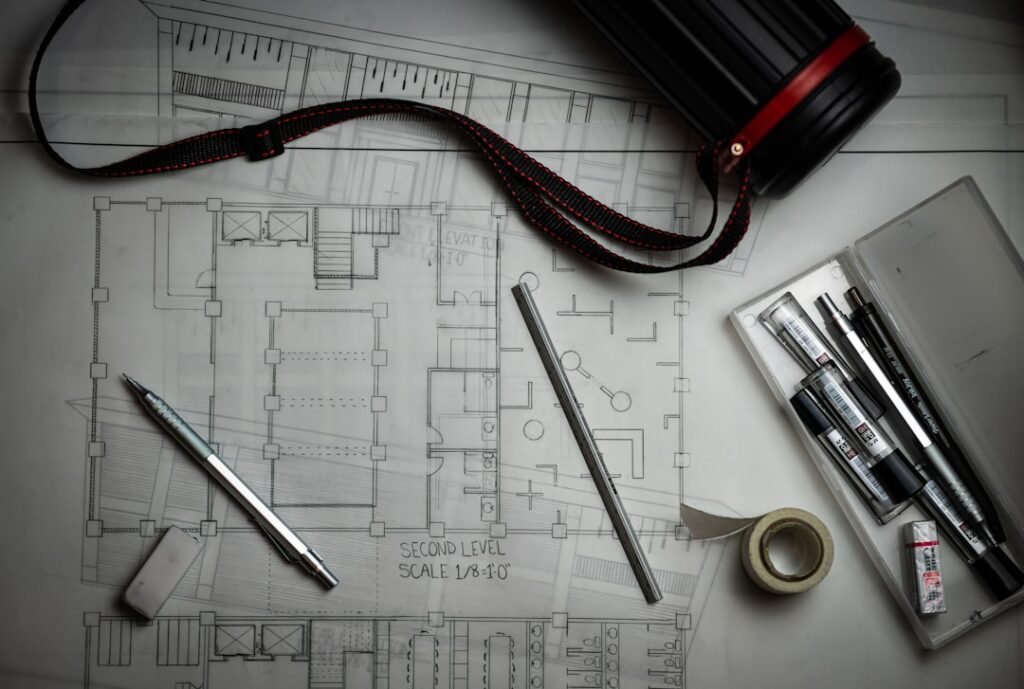
When you embark on a home design project, the role of a contractor becomes pivotal. A contractor is not merely a builder; they are the orchestrators of your vision, translating your ideas into tangible structures. They manage the day-to-day operations of the construction site, ensuring that everything runs smoothly and adheres to the planned timeline.
Their expertise encompasses a wide range of tasks, from coordinating subcontractors to sourcing materials, all while keeping an eye on the budget. As you navigate the complexities of home design, having a skilled contractor by your side can make all the difference in achieving your dream space. Moreover, contractors bring a wealth of experience to the table.
They understand local building codes, zoning laws, and safety regulations, which can be daunting for someone unfamiliar with the construction process. This knowledge not only helps in avoiding potential legal issues but also ensures that your home is built to last. By collaborating with a contractor, you gain access to their network of suppliers and subcontractors, which can lead to better pricing and quality materials.
In essence, a contractor serves as your advocate in the construction process, ensuring that your design vision is realized efficiently and effectively.
Key Takeaways
- A contractor plays a crucial role in home design by overseeing the construction and implementation of the design plan.
- Understanding the difference between a designer and a contractor is important, as designers focus on the aesthetics and functionality of a space, while contractors are responsible for the physical construction and execution of the design.
- Contractors can contribute to the design process by providing valuable input on feasibility, cost, and construction methods, helping to ensure that the design is practical and achievable.
- Hiring a contractor for home design offers benefits such as cost savings, project management, and access to a network of skilled tradespeople.
- When hiring a contractor for design services, it’s important to consider factors such as experience, reputation, communication style, and licensing and insurance.
Understanding the Difference Between a Designer and a Contractor
While both designers and contractors play crucial roles in home design, their functions are distinct and complementary. A designer focuses primarily on the aesthetics and functionality of a space. They are trained to create visually appealing environments that meet your needs and preferences.
Designers often work on layout, color schemes, furniture selection, and overall style, ensuring that every element harmonizes with your vision. Their expertise lies in understanding spatial relationships and how to maximize the potential of each room. On the other hand, a contractor is more concerned with the practical aspects of bringing that design to life.
They take the designer’s plans and turn them into reality through construction and renovation. While a designer may sketch out an ideal kitchen layout, it is the contractor who will determine how to execute that vision within the constraints of your home’s structure and budget. Understanding this distinction is essential as you plan your project; knowing when to engage a designer versus when to rely on a contractor can streamline the process and lead to a more successful outcome.
How Contractors Can Contribute to the Design Process
Contractors can significantly enhance the design process by providing practical insights that may not be immediately apparent to designers or homeowners. Their hands-on experience allows them to foresee potential challenges that could arise during construction. For instance, they can identify structural limitations or suggest alternative materials that align with your budget while still achieving the desired aesthetic.
This collaborative approach ensures that your design is not only beautiful but also feasible. Additionally, contractors can offer valuable input during the planning stages. They can help refine your ideas based on what is achievable within your space and budget constraints.
By involving a contractor early in the design process, you can avoid costly changes later on. Their ability to visualize how different elements will come together can lead to innovative solutions that enhance both functionality and style. Ultimately, their contributions can elevate your design from a mere concept to a well-executed plan.
Benefits of Hiring a Contractor for Home Design
Hiring a contractor for your home design project comes with numerous benefits that extend beyond mere construction. One of the most significant advantages is their ability to manage timelines effectively. A skilled contractor will create a detailed schedule that outlines each phase of the project, ensuring that everything stays on track.
This level of organization minimizes delays and helps you avoid the frustration often associated with home renovations. Furthermore, contractors can provide peace of mind through their expertise in project management. They handle all aspects of the build, from obtaining necessary permits to coordinating inspections.
This comprehensive oversight allows you to focus on other important aspects of your life while knowing that your home is in capable hands. Additionally, many contractors have established relationships with suppliers and subcontractors, which can lead to cost savings on materials and labor. This financial benefit can be particularly advantageous if you are working within a tight budget.
Factors to Consider When Hiring a Contractor for Design Services
When it comes time to hire a contractor for your home design project, several factors should guide your decision-making process. First and foremost, consider their experience and expertise in residential projects similar to yours. A contractor who specializes in kitchen remodels may not be the best fit for a large-scale addition or vice versa.
Reviewing their portfolio can provide insight into their style and capabilities, helping you determine if they align with your vision. Another critical factor is communication. You want a contractor who listens to your ideas and concerns while also providing constructive feedback.
A successful partnership relies on open dialogue; therefore, assess how well they communicate during initial meetings. Additionally, check references and read reviews from previous clients to gauge their reliability and professionalism. A contractor’s reputation can speak volumes about their work ethic and commitment to customer satisfaction.
Collaborating with a Contractor on Home Design
Collaboration with your contractor is essential for achieving a successful home design project. From the outset, establish clear lines of communication and set expectations regarding updates and decision-making processes. Regular meetings can help ensure that everyone is on the same page and that any issues are addressed promptly.
This collaborative spirit fosters a sense of teamwork that can enhance both the design process and the overall outcome. Moreover, be open to feedback from your contractor throughout the project. Their experience may lead them to suggest modifications that improve functionality or aesthetics without compromising your vision.
Embrace this collaborative approach as an opportunity for growth; after all, combining your ideas with their expertise can lead to innovative solutions that elevate your home design beyond what you initially imagined.
Potential Challenges of Having a Contractor Design Your Home
While there are many advantages to hiring a contractor for home design services, potential challenges exist as well. One common issue is miscommunication between you and the contractor regarding expectations or design elements. If you have a specific vision in mind but fail to articulate it clearly, there may be discrepancies between what you envisioned and what is ultimately built.
To mitigate this risk, invest time in thorough discussions about your goals and preferences before construction begins. Another challenge could arise from differing priorities between you and your contractor. While you may prioritize aesthetics or specific features, a contractor might focus more on budget constraints or structural integrity.
This divergence can lead to tension if not managed properly. To navigate these challenges effectively, maintain an open line of communication throughout the project and be willing to compromise when necessary.
Making the Decision: Contractor, Designer, or Both?
As you contemplate your home design project, you may find yourself weighing the options between hiring a contractor, a designer, or both. Each choice has its merits depending on your specific needs and circumstances. If you have a clear vision for your space but lack the technical knowledge for execution, hiring both professionals may be ideal.
A designer can help refine your ideas while a contractor brings them to life. Conversely, if you have a limited budget or prefer a more hands-on approach, working solely with a contractor might suffice. They can guide you through the design process while managing construction effectively.
Ultimately, the decision should align with your goals for the project and how much involvement you wish to have in both design and execution phases. In conclusion, understanding the roles of contractors in home design is crucial for navigating this complex process successfully. By recognizing their contributions, differentiating between designers and contractors, and fostering collaboration, you can create a harmonious environment that reflects your vision while ensuring practicality and efficiency in execution.
Whether you choose to work with one professional or both, making informed decisions will lead you closer to achieving your dream home.
If you are considering hiring a contractor to design your home, you may want to check out this article on Better Home Contractor in Rochester Hills, Michigan. This article discusses the benefits of working with a contractor who can not only build but also design your dream home. It provides insights into the process and showcases some of the stunning homes they have created. It’s a great resource for anyone looking to create a custom home design with the help of a professional contractor.
FAQs
What is the role of a contractor in home design?
A contractor is typically responsible for overseeing the construction and implementation of a home design plan. This may include managing subcontractors, obtaining necessary permits, and ensuring that the design is executed according to the homeowner’s specifications.
Can a contractor also handle the design of my home?
In some cases, a contractor may also offer design services or work with an architect to create a home design plan. However, it’s important to clarify with the contractor whether they have the expertise and qualifications to handle the design aspect of the project.
What are the benefits of hiring a contractor who can also design my home?
Hiring a contractor who can also handle the design of your home can streamline the construction process and ensure that the design is implemented effectively. It can also lead to better communication and coordination between the design and construction phases of the project.
What qualifications should I look for in a contractor who offers design services?
When considering a contractor for design services, it’s important to look for qualifications such as experience in home design, knowledge of building codes and regulations, and a portfolio of successful design and construction projects. It’s also important to ensure that the contractor is licensed and insured.
Should I hire a separate architect for home design instead of relying on a contractor?
Whether to hire a separate architect for home design or rely on a contractor who offers design services depends on the complexity of the project and the specific expertise required. In some cases, hiring a separate architect may be necessary to ensure a high level of design expertise and creativity.