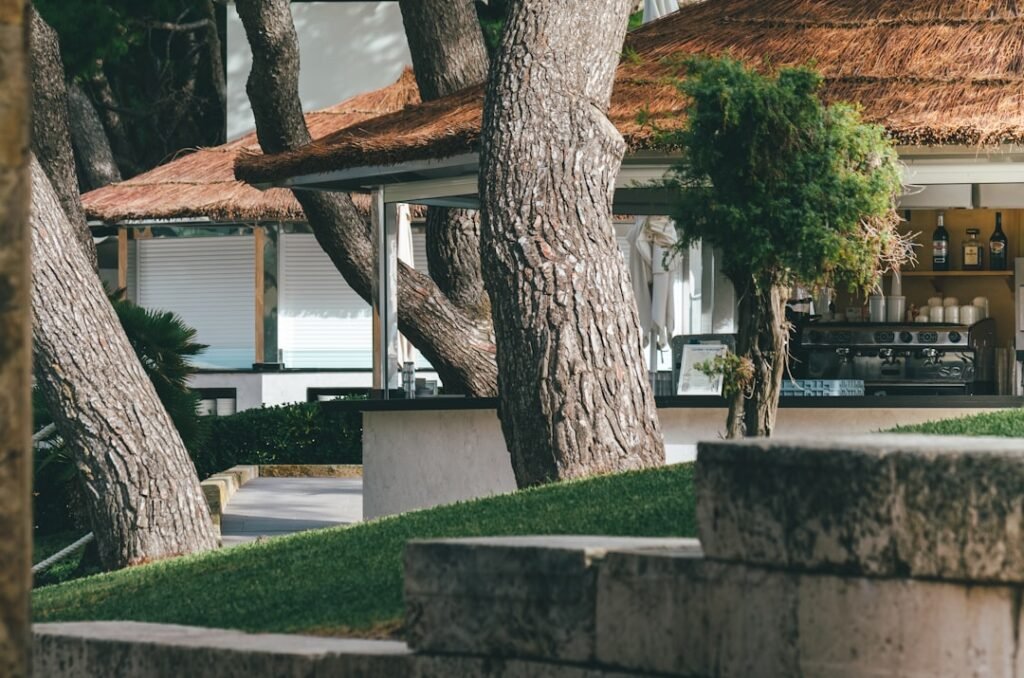
When you step outside, the first thing you should do is take a good look at your outdoor space. This assessment is crucial for understanding how to maximize its potential. Begin by considering the size and shape of your area.
Is it a small balcony, a spacious backyard, or perhaps a cozy patio? Each type of space presents unique opportunities and challenges. Take note of the sunlight patterns throughout the day, as this will influence what plants you can grow and how you can arrange your furniture.
Additionally, observe any existing features such as trees, fences, or pathways that could either enhance or limit your design options. Next, think about how you envision using this space. Do you want a tranquil retreat for relaxation, a vibrant area for entertaining friends, or perhaps a combination of both?
Jot down your ideas and prioritize them based on your lifestyle needs. Consider the flow of movement within the space; how will you navigate from one area to another? By clearly defining your goals and understanding the physical characteristics of your outdoor area, you can create a plan that transforms it into a functional and inviting environment.
Key Takeaways
- Assess your outdoor space to understand its potential and limitations
- Use vertical space to maximize the area available for seating, planting, and storage
- Invest in multi-functional furniture and appliances to make the most of your outdoor space
- Incorporate foldable or collapsible elements to create flexibility and save space when needed
- Create a seamless indoor-outdoor flow by using similar materials and design elements in both spaces
- Opt for space-saving storage solutions such as built-in benches with hidden compartments
- Choose the right materials and finishes that are durable and low-maintenance for outdoor use
- Embrace minimalist design principles to keep the outdoor space feeling open and uncluttered
Utilizing Vertical Space
One of the most effective strategies for maximizing your outdoor area is to utilize vertical space. This approach is particularly beneficial if you have limited ground space but still want to create an inviting atmosphere. Vertical gardening is an excellent way to introduce greenery without taking up valuable floor space.
You can install wall planters, hanging pots, or even trellises to support climbing plants. This not only adds visual interest but also allows you to grow herbs, flowers, or vegetables in a compact manner. In addition to greenery, consider incorporating vertical elements such as shelves or wall-mounted storage solutions.
These can be used to display decorative items, store gardening tools, or even hold outdoor dining essentials. By drawing the eye upward, you create a sense of depth and dimension in your outdoor space. Moreover, vertical features can serve as privacy screens or windbreaks, enhancing both comfort and aesthetics.
Embracing verticality can transform your outdoor area into a lush oasis while keeping it organized and functional.
Multi-functional Furniture and Appliances
When it comes to outdoor living, investing in multi-functional furniture and appliances can significantly enhance your experience while saving space. Look for items that serve more than one purpose; for instance, a bench that doubles as storage or a table that can be expanded for larger gatherings. This versatility allows you to adapt your space according to your needs without cluttering it with unnecessary items.
Additionally, consider appliances that offer multiple functions. A grill that also serves as a smoker or a fire pit that can be used for cooking marshmallows adds value to your outdoor setup. By choosing furniture and appliances that maximize utility, you create an environment that is not only stylish but also practical.
This approach encourages you to spend more time outdoors, whether you’re hosting friends or enjoying a quiet evening under the stars.
Incorporating Foldable or Collapsible Elements
Incorporating foldable or collapsible elements into your outdoor design can be a game-changer, especially if you have limited space. These versatile pieces allow you to adapt your environment based on the occasion or the number of guests you have. For example, foldable chairs and tables can be easily stored away when not in use, freeing up valuable space for other activities or simply allowing for easier movement.
Moreover, collapsible items are often lightweight and easy to transport, making them perfect for impromptu gatherings or picnics in different areas of your yard or even at a nearby park. When selecting these elements, look for durable materials that can withstand outdoor conditions while still being easy to handle. By integrating foldable solutions into your outdoor space, you maintain flexibility and functionality without sacrificing style.
Creating a Seamless Indoor-Outdoor Flow
To truly enhance your outdoor experience, consider creating a seamless flow between your indoor and outdoor spaces. This connection not only expands your living area but also encourages you to enjoy the outdoors more frequently. Start by choosing large sliding doors or bi-fold doors that open up to your patio or garden.
This design choice allows natural light to flood into your home while providing easy access to your outdoor oasis. In addition to architectural elements, think about how you can carry design themes from indoors to outdoors. Use similar color palettes, materials, and furnishings to create a cohesive look that ties both spaces together.
For instance, if your indoor decor features warm wood tones and soft textiles, consider incorporating those same elements outside with wooden furniture and comfortable cushions. By blurring the lines between indoor and outdoor living, you create an inviting atmosphere that feels expansive and connected.
Opting for Space-Saving Storage Solutions
Effective storage solutions are essential for maintaining an organized outdoor space, especially when dealing with limited square footage. Look for innovative storage options that blend seamlessly with your decor while providing ample room for all your essentials. For instance, consider benches with built-in storage compartments or ottomans that can hold blankets and games while serving as extra seating.
Vertical storage solutions can also be incredibly useful in maximizing space. Wall-mounted racks or pegboards can keep tools and gardening supplies off the ground while remaining easily accessible. Additionally, consider using decorative baskets or bins that complement your outdoor aesthetic; these can be placed strategically around the area to store items like cushions or toys when not in use.
By prioritizing smart storage solutions, you ensure that your outdoor space remains tidy and functional without compromising on style.
Choosing the Right Materials and Finishes
The materials and finishes you select for your outdoor space play a significant role in both aesthetics and functionality. When choosing materials, consider durability and weather resistance; after all, outdoor furniture and decor must withstand the elements while maintaining their appeal over time. Opt for materials like teak or eucalyptus for wooden furniture, as they are naturally resistant to moisture and pests.
In addition to durability, think about how different finishes can enhance the overall look of your space. For example, matte finishes can create a more relaxed vibe, while glossy surfaces may add a touch of elegance. Incorporating textures such as woven fabrics or stone accents can also add depth and interest to your design.
By carefully selecting materials and finishes that align with both your style preferences and practical needs, you create an outdoor environment that is not only beautiful but also built to last.
Embracing Minimalist Design Principles
Finally, embracing minimalist design principles can significantly enhance the functionality and aesthetic appeal of your outdoor space. A minimalist approach encourages you to focus on quality over quantity; instead of filling your area with numerous items, select a few key pieces that truly resonate with you. This not only creates a more serene environment but also makes maintenance easier.
Incorporating clean lines and simple forms into your design can help achieve a sense of calm and order. Choose furniture with sleek silhouettes and avoid overly ornate decorations that may clutter the visual landscape. Additionally, consider using a limited color palette to create harmony throughout the space; neutral tones paired with natural elements can evoke tranquility while allowing the beauty of nature to shine through.
By embracing minimalism in your outdoor design, you cultivate an inviting atmosphere that encourages relaxation and enjoyment in every moment spent outside.
If you are looking to build an outdoor kitchen in a small or compact outdoor space, you may want to consider engaging the community in the regional design process. This article on Building with Heart: Engaging the Community in the Regional Design Process provides valuable insights on how involving the community can lead to a more functional and aesthetically pleasing outdoor kitchen. Additionally, you can seek the expertise of Better Home Contractor in Charlotte, North Carolina, or Abilene, Texas, for assistance in maximizing functionality in your outdoor space.
FAQs
Can I build an outdoor kitchen in a small or compact outdoor space?
Yes, it is possible to build an outdoor kitchen in a small or compact outdoor space. With the right design strategies and space-saving techniques, you can create a functional and stylish outdoor kitchen in a limited area.
What are the design strategies for maximizing functionality in a small outdoor kitchen?
Some design strategies for maximizing functionality in a small outdoor kitchen include utilizing multi-functional appliances, incorporating storage solutions such as cabinets and shelves, optimizing vertical space, and choosing compact and space-saving furniture and fixtures.
What are some space-saving appliances for a small outdoor kitchen?
Space-saving appliances for a small outdoor kitchen may include compact grills, built-in or portable pizza ovens, slim refrigerators, combination grill and smoker units, and modular outdoor kitchen components that can be customized to fit the available space.
How can I optimize vertical space in a small outdoor kitchen?
To optimize vertical space in a small outdoor kitchen, consider installing wall-mounted shelves, racks, and hooks for hanging utensils, pots, and pans. Additionally, using tall cabinets and storage units can help maximize storage space while keeping the kitchen area organized.
What are some design tips for creating a stylish outdoor kitchen in a small space?
Some design tips for creating a stylish outdoor kitchen in a small space include choosing a cohesive color scheme, incorporating natural materials such as stone or wood for a rustic look, adding decorative lighting for ambiance, and using space-saving furniture and accessories that complement the overall design.