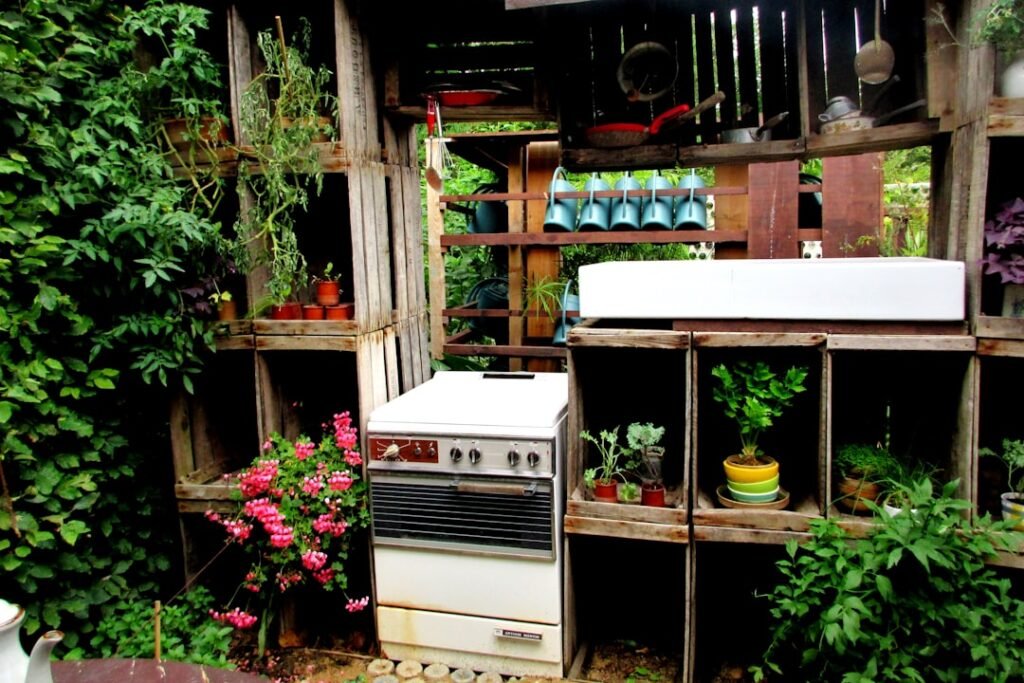
Imagine stepping into your backyard and being greeted by the enticing aroma of grilled vegetables and sizzling meats, all while surrounded by the beauty of nature. An outdoor kitchen built on pavers can transform your outdoor space into a culinary haven, allowing you to entertain friends and family in a relaxed, inviting atmosphere. This article will guide you through the process of creating your dream outdoor kitchen on pavers, from initial considerations to maintenance tips, ensuring that you can enjoy this space for years to come.
Building an outdoor kitchen is not just about functionality; it’s also about enhancing your lifestyle. You’ll find that cooking outdoors can be a delightful experience, offering a unique way to connect with nature while preparing meals. Pavers provide a sturdy and visually appealing foundation for your kitchen, allowing you to customize the layout and design to suit your personal style.
Whether you envision a rustic retreat or a modern culinary space, the possibilities are endless when you choose to build on pavers.
Key Takeaways
- Building an outdoor kitchen on pavers can enhance your outdoor living space and add value to your home.
- Considerations for building an outdoor kitchen on pavers include location, size, and budget.
- Choose the right pavers for your outdoor kitchen based on durability, style, and maintenance requirements.
- Design your outdoor kitchen on pavers with a focus on functionality, flow, and aesthetic appeal.
- Building the foundation for your outdoor kitchen on pavers is crucial for stability and longevity.
Considerations for Building an Outdoor Kitchen on Pavers
Choosing the Perfect Location
The location of your outdoor kitchen is vital. You’ll want to select a spot that’s both convenient and functional, ideally close to your home for easy access to indoor amenities.
Considering the Sun and Layout
Additionally, think about the sun’s path throughout the day. Positioning your kitchen in a shaded area can make cooking more comfortable during hot summer months. The layout of your outdoor kitchen is also critical. Consider how you plan to use the space and what appliances you want to include.
Planning for Functionality and Flow
Will you be hosting large gatherings or intimate dinners? This will help determine the size and configuration of your kitchen. Moreover, consider the flow of movement within the space. Ensuring that there is enough room for people to move around comfortably will enhance the overall experience of using your outdoor kitchen.
Choosing the Right Pavers for Your Outdoor Kitchen

Selecting the right pavers is crucial for both aesthetics and functionality in your outdoor kitchen. Pavers come in various materials, colors, and sizes, allowing you to create a unique look that complements your home and landscape. Natural stone pavers, such as granite or slate, offer a timeless elegance and durability that can withstand the elements.
Alternatively, concrete pavers can be molded into various shapes and colors, providing versatility in design. When choosing pavers, consider their texture and slip resistance, especially in areas where water may accumulate. You want to ensure that your outdoor kitchen remains safe for cooking and entertaining.
Additionally, think about how the color of the pavers will interact with other elements in your outdoor space, such as plants, furniture, and appliances. A cohesive color palette will create a harmonious environment that enhances your outdoor cooking experience.
Designing Your Outdoor Kitchen on Pavers
Designing your outdoor kitchen is an exciting step in the process, as it allows you to bring your vision to life. Start by sketching out a layout that includes all the essential elements: cooking appliances, countertops, storage, and seating areas. Consider incorporating an island or bar area where guests can gather while you prepare meals; this not only adds functionality but also encourages social interaction.
In addition to layout, think about the overall style of your outdoor kitchen. Do you prefer a contemporary look with sleek lines and modern appliances, or are you drawn to a more traditional design with rustic finishes? Your choice of materials will play a significant role in achieving your desired aesthetic.
For instance, combining wooden accents with stone pavers can create a warm and inviting atmosphere that feels like an extension of your home.
Building the Foundation for Your Outdoor Kitchen on Pavers
Once you have finalized your design, it’s time to focus on building the foundation for your outdoor kitchen on pavers. The first step is to prepare the ground by clearing any debris and leveling the area where you plan to install the pavers. This ensures a stable base that will support the weight of your kitchen appliances and fixtures.
Next, lay down a layer of gravel or sand to create a solid foundation for the pavers. This layer will help with drainage and prevent shifting over time. Afterward, begin placing the pavers according to your design layout.
It’s essential to ensure that they are level and properly aligned; using spacers can help maintain consistent gaps between each paver for a polished look. Once all pavers are in place, fill in the gaps with sand or polymeric jointing material to secure them and prevent weed growth.
Installing Appliances and Fixtures on Your Outdoor Kitchen

Choosing the Right Appliances
Begin by deciding where each appliance will be located based on your design layout. Some common appliances found in outdoor kitchens include grills, refrigerators, sinks, and pizza ovens. It’s essential to select models specifically designed for outdoor use, as they can withstand varying weather conditions.
Installing Appliances Safely
When installing your appliances, pay close attention to utility connections such as gas lines or electrical outlets. It’s highly recommended to consult with professionals for any necessary plumbing or electrical work to ensure safety and compliance with local codes.
Adding Storage Solutions
In addition to installing appliances, consider incorporating storage solutions like cabinets or shelves to keep utensils and cooking supplies organized and easily accessible while you cook. This will help create a functional and efficient outdoor kitchen space.
Maintaining Your Outdoor Kitchen on Pavers
Once your outdoor kitchen is complete, regular maintenance will be key to keeping it looking great and functioning well over time. Start by cleaning the pavers regularly; sweeping away debris and hosing down the surface can prevent stains and buildup from food spills or grease. For tougher stains, consider using a pressure washer or specialized cleaner designed for paver surfaces.
In addition to cleaning, inspect your appliances periodically for any signs of wear or damage. Regular maintenance checks can help identify potential issues before they become significant problems. If you have wooden elements in your outdoor kitchen, such as cabinets or countertops, be sure to treat them with weather-resistant finishes to prolong their lifespan.
By staying proactive with maintenance, you can ensure that your outdoor kitchen remains a beautiful and functional space for years to come.
Enjoying Your Outdoor Kitchen on Pavers
Building an outdoor kitchen on pavers is an investment in both your home and lifestyle. It creates a space where you can gather with loved ones, enjoy delicious meals, and make lasting memories under the open sky. As you embark on this journey, remember that careful planning and attention to detail will lead to a successful project that reflects your personal style.
Once completed, take the time to enjoy your new outdoor kitchen fully. Host barbecues, dinner parties, or simply enjoy quiet evenings cooking under the stars. The beauty of an outdoor kitchen lies not only in its functionality but also in its ability to enhance your connection with nature and those around you.
So fire up the grill, pour yourself a drink, and savor every moment spent in this delightful extension of your home.
If you are considering building an outdoor kitchen on pavers, you may also be interested in reading about sustainable approaches to regional architecture in contemporary spaces. This article, Harmonizing with Nature: Sustainable Approaches to Regional Architecture in Contemporary Spaces, explores how incorporating sustainable design principles can enhance the functionality and beauty of outdoor living spaces. By utilizing eco-friendly materials and energy-efficient techniques, you can create a stylish and environmentally conscious outdoor kitchen that seamlessly blends with its natural surroundings.
FAQs
Can I build an outdoor kitchen on pavers?
Yes, you can build an outdoor kitchen on pavers. Pavers provide a stable and durable surface for outdoor kitchen installations.
What are the benefits of building an outdoor kitchen on pavers?
Building an outdoor kitchen on pavers provides a level and sturdy foundation for the kitchen appliances and countertops. Pavers also allow for easy maintenance and can withstand outdoor elements.
What type of pavers are suitable for building an outdoor kitchen?
For building an outdoor kitchen, it is recommended to use durable and weather-resistant pavers such as concrete pavers, natural stone pavers, or brick pavers.
Do I need to prepare the ground before installing pavers for an outdoor kitchen?
Yes, it is important to properly prepare the ground before installing pavers for an outdoor kitchen. This may involve leveling the ground, compacting the soil, and adding a base material such as gravel or sand.
Are there any special considerations for building an outdoor kitchen on pavers?
When building an outdoor kitchen on pavers, it is important to consider factors such as drainage, proper sealing of the pavers, and ensuring that the pavers are installed on a stable and level surface. Additionally, it is important to follow local building codes and regulations.