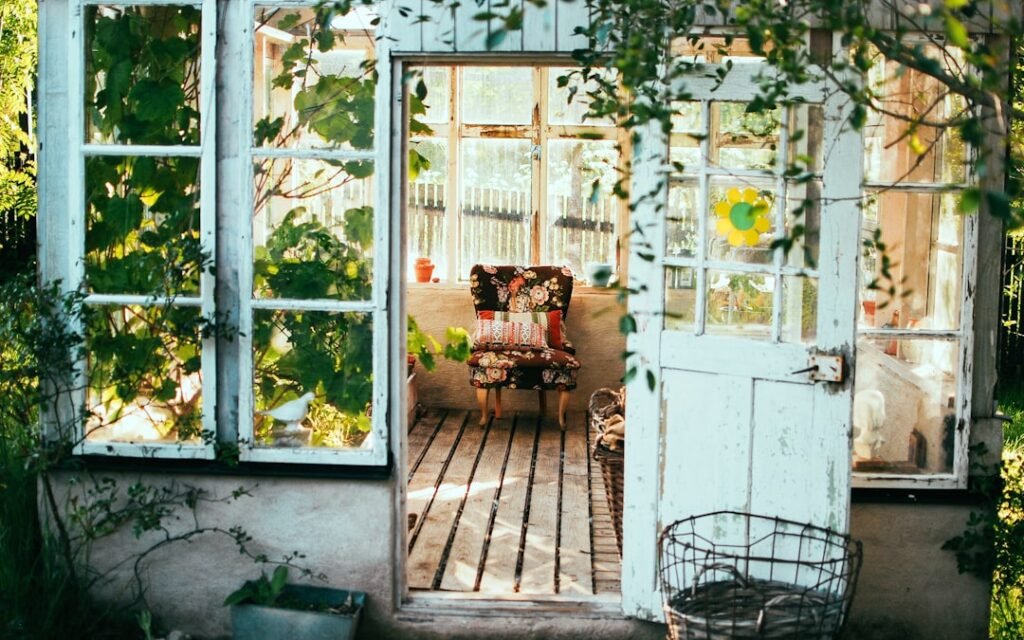
When you think about enhancing your outdoor kitchen, one of the most impactful changes you can make is to install a roof or cover. This addition not only extends the usability of your outdoor space but also provides a myriad of benefits that can transform your cooking and dining experience. First and foremost, a roof offers protection from the elements.
Whether it’s the scorching sun, unexpected rain, or even snow, having a cover allows you to enjoy your outdoor kitchen year-round without worrying about weather disruptions. Imagine hosting a summer barbecue or a cozy winter gathering without the fear of being rained out or overheated. Moreover, a roof can significantly enhance the aesthetic appeal of your outdoor kitchen.
It serves as a focal point that can complement your home’s architecture and landscaping. With various styles and materials available, you can choose a design that reflects your personal taste and elevates the overall ambiance of your outdoor space. Additionally, a well-designed cover can create a more intimate setting, making it an inviting area for family gatherings and entertaining guests.
The right roof not only adds functionality but also increases the value of your property, making it a worthwhile investment.
Key Takeaways
- Installing a roof or cover over your outdoor kitchen provides protection from the elements and extends the usable space for cooking and entertaining.
- When choosing the right roof or cover for your outdoor kitchen, consider factors such as the climate, materials, and design that complement your home and outdoor space.
- Different types of roofing and covering options for outdoor kitchens include pergolas, awnings, umbrellas, and solid roofs made of materials like metal, wood, or polycarbonate.
- Design and plan your outdoor kitchen roof or cover with considerations for the layout, size, and functionality, as well as integrating lighting, fans, and heating elements.
- Proper ventilation and airflow in your covered outdoor kitchen can be achieved through the use of vents, fans, and strategic placement of openings to prevent heat buildup and smoke accumulation.
- Maintenance and care for your outdoor kitchen roof or cover involve regular cleaning, inspection for damage, and addressing any issues with leaks, rust, or deterioration of materials.
- Hiring a professional contractor for installing your outdoor kitchen roof or cover ensures proper installation, adherence to building codes, and expertise in handling different materials and designs.
- Budgeting and cost considerations for installing a roof or cover over your outdoor kitchen include the materials, labor, permits, and any additional features such as lighting or heating elements.
Considerations for Choosing the Right Roof or Cover for Your Outdoor Kitchen
Selecting the perfect roof or cover for your outdoor kitchen involves several important considerations. First, you need to assess the climate in your area. If you live in a region with heavy rainfall or snow, you’ll want to choose materials that can withstand these conditions while providing adequate drainage.
On the other hand, if you’re in a hotter climate, consider options that offer shade and UV protection to keep your cooking area comfortable. Understanding your local weather patterns will guide you in making an informed decision that ensures durability and functionality. Another critical factor to consider is the style and design of your outdoor kitchen.
The roof should harmonize with the existing elements of your space, including your home’s architecture and landscaping. Think about whether you prefer a modern look with sleek lines or a more traditional style with rustic charm. Additionally, consider the height and size of the cover; it should provide ample space for cooking and dining while not overwhelming the area.
By taking these factors into account, you can select a roof that not only meets practical needs but also enhances the overall aesthetic of your outdoor kitchen.
Different Types of Roofing and Covering Options for Outdoor Kitchens
When it comes to roofing options for your outdoor kitchen, you have a variety of choices that cater to different styles and functionalities. One popular option is a pergola, which provides partial shade while allowing sunlight to filter through. This type of structure is ideal for those who want to enjoy the outdoors while still having some protection from the elements.
You can enhance a pergola with climbing plants or fabric drapes for added shade and visual appeal. Another option is a solid roof made from materials like metal, shingles, or tiles. A solid roof offers complete protection from rain and snow, making it suitable for year-round use.
Metal roofs are particularly durable and can withstand harsh weather conditions, while tile roofs provide a classic look that complements many architectural styles. Additionally, retractable awnings are becoming increasingly popular for outdoor kitchens, offering flexibility in coverage depending on the weather. This option allows you to enjoy an open-air experience when desired while providing shelter when needed.
Tips for Designing and Planning Your Outdoor Kitchen Roof or Cover
Designing an effective roof or cover for your outdoor kitchen requires careful planning and consideration of various elements. Start by determining the layout of your kitchen and how the roof will integrate with existing structures. Consider factors such as the placement of appliances, seating areas, and pathways to ensure that the roof does not obstruct movement or functionality.
It’s essential to create a cohesive design that flows seamlessly with your outdoor space. Next, think about incorporating features that enhance both aesthetics and functionality. For instance, adding lighting fixtures to your roof can create an inviting atmosphere for evening gatherings.
You might also consider installing ceiling fans or heaters to regulate temperature and improve comfort during different seasons. Additionally, think about how you can incorporate storage solutions into the design, such as shelves or cabinets built into the structure. By taking these elements into account during the planning phase, you can create an outdoor kitchen that is not only beautiful but also highly functional.
How to Ensure Proper Ventilation and Airflow in Your Covered Outdoor Kitchen
Proper ventilation is crucial in any kitchen setting, and this holds true for covered outdoor kitchens as well. Without adequate airflow, cooking odors can linger, and heat can build up, making the space uncomfortable. To ensure proper ventilation, consider incorporating features such as vents or windows that can be opened to allow fresh air in while letting cooking fumes escape.
If your outdoor kitchen includes appliances like grills or smokers, make sure they are positioned in a way that promotes airflow away from cooking areas. Additionally, installing ceiling fans can significantly improve air circulation in your covered outdoor kitchen. Fans help to disperse heat and keep the area cool during hot summer days.
If you’re considering a more permanent solution, you might explore options like exhaust hoods that can be installed above cooking appliances to effectively remove smoke and odors from the space. By prioritizing ventilation in your design, you’ll create a more pleasant cooking environment that enhances your overall outdoor dining experience.
Maintenance and Care for Your Outdoor Kitchen Roof or Cover
Maintaining your outdoor kitchen roof or cover is essential to ensure its longevity and functionality over time. Regular inspections are key; check for any signs of wear and tear, such as loose shingles or rust on metal surfaces. Cleaning is another important aspect of maintenance; debris like leaves and dirt can accumulate on roofs, leading to potential drainage issues if not addressed promptly.
Depending on the material of your roof, you may need to use specific cleaning solutions to avoid damage while ensuring it remains in good condition. In addition to cleaning and inspections, consider seasonal maintenance tasks as well. For instance, if you live in an area with heavy snowfall, it’s important to clear snow off your roof to prevent excess weight that could lead to structural damage.
Similarly, during fall, make sure to remove leaves that may block gutters or drainage systems. By staying proactive with maintenance tasks, you’ll not only extend the life of your outdoor kitchen roof but also ensure it continues to provide protection and enhance your outdoor cooking experience.
Hiring a Professional Contractor for Installing Your Outdoor Kitchen Roof or Cover
While some homeowners may feel confident tackling DIY projects, hiring a professional contractor for installing your outdoor kitchen roof or cover is often the best choice for ensuring quality workmanship. A skilled contractor brings expertise and experience to the table, allowing them to navigate potential challenges that may arise during installation. They can also provide valuable insights on design options and materials that best suit your specific needs.
When selecting a contractor, take the time to research their credentials and past work. Look for reviews from previous clients and ask for references to gauge their reliability and quality of service. A reputable contractor will also be able to provide you with a detailed estimate that outlines costs associated with materials and labor.
By entrusting this project to a professional, you can have peace of mind knowing that your outdoor kitchen roof will be installed correctly and efficiently.
Budgeting and Cost Considerations for Installing a Roof or Cover over Your Outdoor Kitchen
Budgeting for an outdoor kitchen roof or cover involves several factors that can influence overall costs. First, consider the materials you wish to use; different roofing materials come with varying price points based on durability and aesthetics. For example, metal roofs may have a higher upfront cost but offer long-term savings due to their durability and low maintenance requirements.
On the other hand, wood structures may require more frequent upkeep but can provide a warm, natural look. Additionally, don’t forget to factor in labor costs if you’re hiring a contractor for installation. Labor rates can vary based on location and complexity of the project; therefore, obtaining multiple quotes can help you find competitive pricing while ensuring quality work.
It’s also wise to set aside a contingency fund for unexpected expenses that may arise during installation. By carefully considering these factors and planning accordingly, you can create an outdoor kitchen roof that fits within your budget while enhancing your outdoor living space for years to come.
If you are considering installing a roof or cover over your outdoor kitchen for shade and protection, you may also be interested in learning about honoring historical building techniques in modern projects. This article explores how traditional methods can be incorporated into contemporary construction practices. Additionally, if you are located in Oshkosh, Wisconsin or Layton, Utah, you may want to reach out to Better Home Contractor for expert advice and assistance with your outdoor kitchen project. Visit their websites for more information: Oshkosh, Wisconsin and Layton, Utah.
FAQs
What are the benefits of installing a roof or cover over an outdoor kitchen?
Installing a roof or cover over an outdoor kitchen provides shade and protection from the elements, allowing for more comfortable use of the space in various weather conditions. It can also help to protect outdoor kitchen appliances and furniture from sun, rain, and other environmental factors, extending their lifespan.
What are the different types of roofs or covers that can be installed over an outdoor kitchen?
There are various options for roofs or covers for outdoor kitchens, including pergolas, awnings, umbrellas, and solid roof structures. Each option offers different levels of protection and aesthetic appeal, allowing homeowners to choose the best option for their specific needs and preferences.
Do I need a permit to install a roof or cover over my outdoor kitchen?
The need for a permit to install a roof or cover over an outdoor kitchen varies depending on local building codes and regulations. It is important to check with the local building department or a professional contractor to determine if a permit is required for the specific project.
What materials are commonly used for building roofs or covers for outdoor kitchens?
Common materials used for building roofs or covers for outdoor kitchens include wood, metal, aluminum, fabric, and polycarbonate. Each material offers different levels of durability, maintenance requirements, and aesthetic appeal, allowing homeowners to choose the best option for their specific needs and budget.
How can I ensure that the roof or cover over my outdoor kitchen is properly installed?
To ensure that the roof or cover over an outdoor kitchen is properly installed, it is recommended to hire a professional contractor with experience in outdoor construction projects. Proper installation is crucial for the safety and functionality of the structure, as well as for compliance with building codes and regulations.