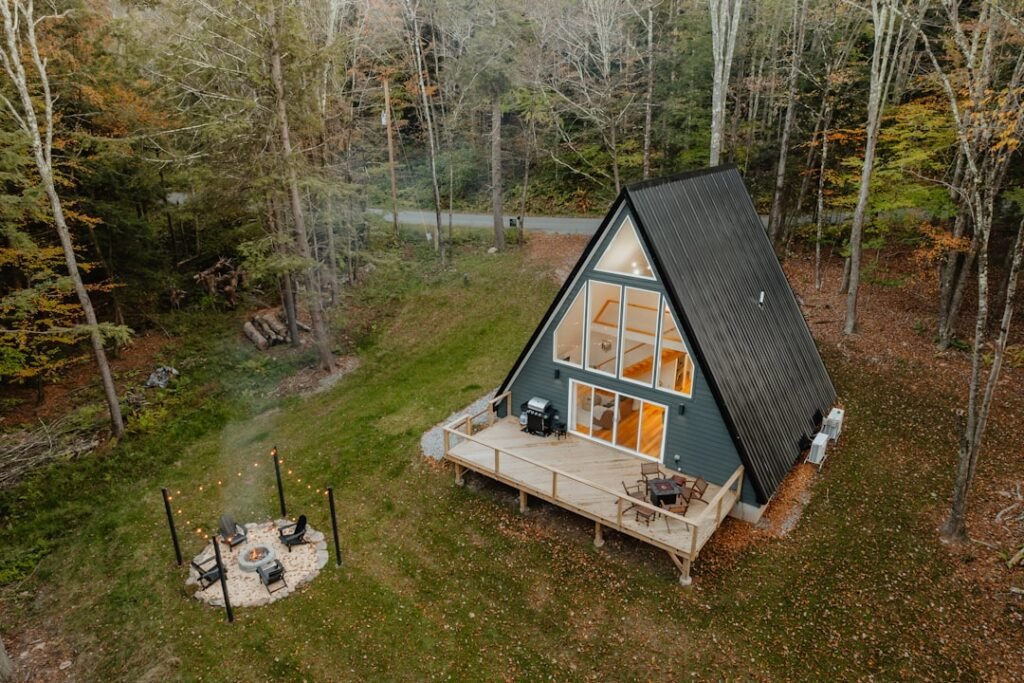
In recent years, the tiny home movement has gained significant traction, captivating the hearts and minds of individuals seeking a simpler, more sustainable lifestyle. You may find yourself drawn to the idea of living in a compact space that encourages minimalism and intentional living. Tiny homes, typically defined as dwellings under 400 square feet, offer a unique solution to the challenges of modern living, such as rising housing costs and environmental concerns.
As you explore this lifestyle, you may discover that tiny homes not only provide financial freedom but also foster a deeper connection with your surroundings and community. The appeal of tiny homes extends beyond their size; they represent a shift in values and priorities. You might appreciate the opportunity to downsize your possessions and focus on experiences rather than material goods.
This lifestyle encourages you to rethink what is truly essential, leading to a more fulfilling existence. As you embark on this journey, you will find that tiny homes can be customized to reflect your personal style and needs, making them not just a place to live but a canvas for your creativity and aspirations.
Key Takeaways
- Tiny homes are a popular housing trend that offer a minimalist and sustainable lifestyle.
- Building a tiny home can be cost-effective, with careful planning and consideration of materials and design.
- Consider the pros and cons of DIY construction versus hiring a professional builder for your tiny home project.
- Alternative materials such as reclaimed wood and metal can offer cost savings and unique aesthetic appeal for tiny home construction.
- Utilizing salvaged and recycled materials can further reduce costs and environmental impact in building a tiny home.
Cost Considerations for Building a Tiny Home
When contemplating the construction of a tiny home, one of the first aspects you should consider is the cost. While tiny homes are often touted as an affordable alternative to traditional housing, the expenses can vary significantly based on several factors. You may find that the overall cost of building a tiny home can range from $10,000 to over $100,000, depending on the materials used, the complexity of the design, and whether you choose to build it yourself or hire professionals.
Understanding these variables will help you create a realistic budget that aligns with your financial situation. In addition to initial construction costs, it’s essential to factor in ongoing expenses such as utilities, maintenance, and property taxes. You might be surprised to learn that living in a tiny home can lead to lower monthly bills, especially if you embrace energy-efficient practices and sustainable living.
However, it’s crucial to conduct thorough research and planning to ensure that your tiny home remains within your financial means. By carefully evaluating your budget and considering all potential costs, you can make informed decisions that will set you up for success in your tiny home journey.
As you delve into the world of tiny homes, one of the most significant decisions you’ll face is whether to take on the project yourself or hire a professional builder. If you possess a knack for construction or have experience in home improvement projects, you may be tempted to tackle the build on your own. DIY projects can be incredibly rewarding, allowing you to personalize every aspect of your tiny home while potentially saving money on labor costs.
However, it’s essential to assess your skills realistically; some aspects of construction may require specialized knowledge or tools that you may not possess. On the other hand, hiring a professional can alleviate much of the stress associated with building a tiny home. Experienced builders can guide you through the process, ensuring that your home meets local building codes and regulations.
If you choose this route, you’ll benefit from their expertise in design and construction techniques, which can lead to a more efficient build. While this option may come with a higher price tag, it can save you time and frustration in the long run. Ultimately, the decision between DIY and hiring a professional will depend on your comfort level with construction tasks and your budgetary constraints.
Alternative Materials for Cost Savings
When building a tiny home, selecting the right materials is crucial for both cost savings and sustainability. You may want to explore alternative materials that can help reduce expenses while still providing durability and aesthetic appeal. For instance, using reclaimed wood instead of new lumber can significantly lower costs while adding character to your home.
Reclaimed materials not only save money but also contribute to environmental conservation by reducing waste and minimizing the demand for new resources. Another option worth considering is utilizing prefabricated or modular components. These materials are often produced in bulk and can be assembled on-site, which can lead to substantial savings in both time and labor costs.
Additionally, innovative materials such as straw bales or shipping containers are gaining popularity in tiny home construction due to their affordability and eco-friendliness. By researching various material options and their associated costs, you can make informed choices that align with your budget while still achieving the desired look and functionality for your tiny home.
Utilizing Salvaged and Recycled Materials
Incorporating salvaged and recycled materials into your tiny home design is an excellent way to save money while promoting sustainability. You might find that using materials salvaged from old buildings or renovations not only reduces costs but also adds unique charm and history to your space. For example, reclaimed bricks or vintage windows can serve as stunning focal points in your tiny home while telling a story of their own.
You may also want to explore local salvage yards or online marketplaces where individuals sell surplus materials from their own projects. This approach not only supports local businesses but also allows you to discover one-of-a-kind items that can enhance your home’s character. By embracing salvaged and recycled materials, you contribute to reducing waste in landfills while creating a distinctive living space that reflects your values and creativity.
Off-Grid Options for Energy and Water
As you consider the possibilities for your tiny home, exploring off-grid options for energy and water can lead to significant cost savings and increased self-sufficiency. You might find that installing solar panels is an excellent investment for generating renewable energy while reducing reliance on traditional power sources. While the initial setup cost may seem daunting, many homeowners find that solar energy pays off in the long run through lower utility bills and potential tax incentives.
In addition to solar power, consider implementing rainwater harvesting systems for your water supply. Collecting rainwater can provide an eco-friendly alternative to municipal water sources while significantly lowering your water bills. You may also want to explore composting toilets as an alternative waste management solution that minimizes water usage and reduces environmental impact.
By embracing off-grid options, you not only save money but also contribute to a more sustainable lifestyle that aligns with the principles of the tiny home movement.
Cost-Effective Design and Layout Tips
Designing a tiny home requires careful consideration of space utilization and functionality. You may want to prioritize an open floor plan that maximizes natural light and creates an illusion of spaciousness. Incorporating multi-functional furniture—such as a sofa bed or foldable dining table—can help you make the most of limited square footage while providing flexibility for various activities.
Additionally, consider vertical storage solutions to keep clutter at bay while maintaining an organized living space. Utilizing wall-mounted shelves or built-in cabinets can free up floor space while providing ample storage for your belongings. You might also explore creative design elements like lofted sleeping areas or hidden compartments that enhance both aesthetics and functionality.
By focusing on cost-effective design strategies, you can create a beautiful and efficient tiny home that meets your needs without breaking the bank.
Conclusion and Final Considerations
As you embark on your journey toward building or living in a tiny home, it’s essential to keep in mind the myriad benefits this lifestyle offers alongside its challenges. The allure of simplicity, sustainability, and financial freedom is undeniable; however, careful planning and consideration are crucial for success. By evaluating costs, exploring alternative materials, and making informed design choices, you can create a space that reflects your values while meeting your practical needs.
Ultimately, embracing the tiny home lifestyle is about more than just downsizing; it’s about cultivating a mindset focused on intentional living and connection with what truly matters. As you navigate this exciting venture, remember that every decision contributes to shaping your unique living experience. Whether you choose to build it yourself or collaborate with professionals, each step brings you closer to realizing your vision of a cozy, efficient sanctuary that embodies your aspirations for a simpler life.
If you are interested in transforming historical spaces for contemporary living, you may want to check out the article Transforming Heritage: Adapting Historical Spaces for Contemporary Living. This article explores the process of repurposing old buildings and heritage sites to create modern, functional living spaces. It offers valuable insights and inspiration for those looking to preserve history while also meeting their current housing needs.
FAQs
What is the cheapest way to build a tiny home?
The cheapest way to build a tiny home is to use salvaged materials, such as reclaimed wood, windows, and doors. Additionally, using a simple design and doing the labor yourself can also help reduce costs.
What are some cost-effective building materials for a tiny home?
Some cost-effective building materials for a tiny home include plywood, corrugated metal, and recycled or repurposed materials such as pallet wood or shipping containers.
Are there any cost-saving construction techniques for building a tiny home?
Yes, some cost-saving construction techniques for building a tiny home include using a simple design, minimizing plumbing and electrical work, and utilizing space-saving furniture and storage solutions.
Can I save money by building a tiny home on a trailer?
Building a tiny home on a trailer can save money on foundation costs and property taxes. It also allows for mobility, making it a cost-effective option for those who want the flexibility to move their home.
What are some ways to reduce labor costs when building a tiny home?
To reduce labor costs when building a tiny home, consider doing the construction work yourself or with the help of friends and family. You can also look into volunteer labor programs or apprenticeship opportunities.