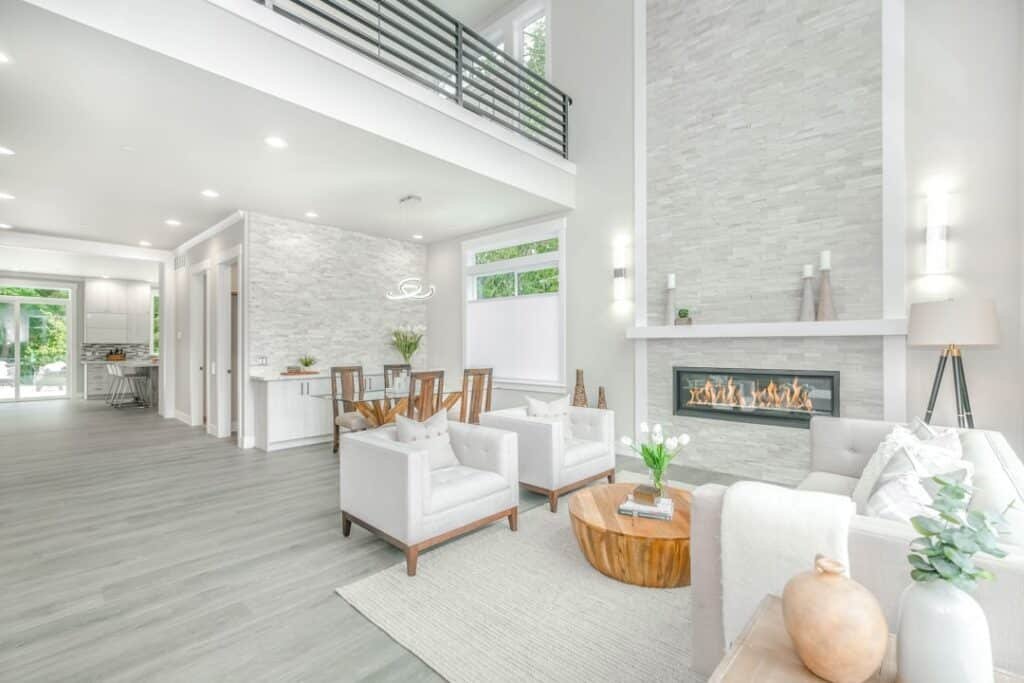
When you think about building your dream home, the significance of custom home design cannot be overstated. A custom home allows you to create a space that reflects your unique personality, lifestyle, and preferences. Unlike pre-built homes, which often come with limitations, a custom design gives you the freedom to choose everything from the layout to the finishes.
This level of personalization ensures that every corner of your home resonates with your vision, making it a true sanctuary tailored to your needs. Moreover, custom home design is not just about aesthetics; it’s also about functionality. You have the opportunity to design spaces that cater specifically to your daily routines and activities.
Whether you need a spacious kitchen for entertaining, a quiet home office for remote work, or a cozy reading nook, custom design allows you to prioritize what matters most to you. This thoughtful approach can enhance your quality of life and create a living environment that feels both comfortable and inspiring.
Key Takeaways
- Custom home design allows for personalization and unique expression of individual style and needs.
- Finding the right architect in Texas is crucial for understanding local building codes and regulations.
- Incorporating Texas style and architecture into your custom home adds a sense of place and heritage.
- Choosing the right materials for your Texas custom home ensures durability and aesthetic appeal.
- Energy efficiency and sustainable design are important considerations for the Texas climate and weather.
Finding the Right Architect in Texas
Finding the right architect is a crucial step in the journey of building your custom home in Texas. You want someone who not only understands your vision but also has experience with local styles and regulations. Start by researching architects in your area, looking for portfolios that resonate with your aesthetic preferences.
It’s essential to find someone whose previous work aligns with your vision, as this will make the collaboration process smoother and more enjoyable. Once you have a shortlist of potential architects, schedule consultations to discuss your ideas and gauge their understanding of your needs. During these meetings, pay attention to how well they listen and respond to your thoughts.
A good architect will ask insightful questions and offer suggestions that enhance your vision while keeping practicality in mind. Building a rapport with your architect is vital; after all, this person will be instrumental in bringing your dream home to life.
Understanding the Local Building Codes and Regulations

Navigating local building codes and regulations is an essential part of the custom home design process in Texas. Each municipality has its own set of rules that dictate everything from zoning laws to safety standards. Familiarizing yourself with these regulations can save you time, money, and potential headaches down the line.
It’s advisable to consult with your architect or a local builder who is well-versed in these codes to ensure compliance throughout the design and construction phases. Understanding these regulations also allows you to make informed decisions about your home’s design. For instance, certain areas may have restrictions on building height or setbacks from property lines.
Being aware of these limitations early on can help you avoid costly redesigns later in the process. Additionally, knowing the local codes can inspire creative solutions that align with both your vision and regulatory requirements.
Incorporating Texas Style and Architecture into Your Custom Home
Texas is known for its diverse architectural styles, ranging from traditional ranch homes to modern designs that embrace the state’s natural beauty. When designing your custom home, consider how you can incorporate elements that reflect Texas culture and heritage. This might include using materials like stone or wood that are abundant in the region or adopting design features such as wide porches and large windows that invite natural light.
Incorporating Texas style into your home doesn’t mean sacrificing modern comforts or aesthetics. You can blend traditional elements with contemporary design to create a unique look that honors the past while embracing the future. Think about how you can use color palettes inspired by the Texas landscape or incorporate local art and craftsmanship into your decor.
By doing so, you’ll create a home that feels rooted in its surroundings while still being distinctly yours.
Choosing the Right Materials for Your Texas Custom Home
Selecting the right materials for your custom home is a critical decision that impacts both aesthetics and functionality. In Texas, where the climate can vary significantly from region to region, it’s essential to choose materials that are durable and suited for local weather conditions. For example, if you’re building in an area prone to high humidity or heavy rainfall, consider materials that resist moisture damage, such as treated wood or stone.
Additionally, think about sustainability when choosing materials for your home. Opting for locally sourced materials not only supports the local economy but also reduces transportation emissions. You might also explore eco-friendly options like recycled materials or energy-efficient windows that contribute to a lower carbon footprint.
By making thoughtful choices about materials, you can create a beautiful and sustainable home that stands the test of time.
Energy Efficiency and Sustainable Design in Texas

In today’s world, energy efficiency and sustainable design are more important than ever, especially in Texas where energy costs can be significant. When designing your custom home, consider incorporating features that enhance energy efficiency, such as high-performance insulation, energy-efficient appliances, and solar panels. These elements not only reduce your environmental impact but can also lead to substantial savings on utility bills over time.
Sustainable design goes beyond just energy efficiency; it also encompasses water conservation and indoor air quality. In Texas, where water scarcity can be an issue, consider installing low-flow fixtures and drought-resistant landscaping to minimize water usage. Additionally, using non-toxic materials and ensuring proper ventilation can improve indoor air quality, creating a healthier living environment for you and your family.
By prioritizing sustainability in your design, you’ll contribute positively to both your community and the planet.
Designing for the Texas Climate and Weather
Texas is known for its diverse climate, which can range from hot summers to chilly winters depending on where you are in the state. When designing your custom home, it’s crucial to consider how these weather patterns will affect your living space. For instance, if you’re in an area with extreme heat, focus on creating shaded outdoor spaces and incorporating energy-efficient cooling systems to keep your home comfortable year-round.
Additionally, think about how to protect your home from severe weather events common in Texas, such as thunderstorms or tornadoes. This might involve reinforcing structural elements or choosing impact-resistant windows and doors. By designing with the climate in mind, you’ll create a resilient home that not only withstands the elements but also enhances your overall comfort.
Customizing Your Home for Your Lifestyle and Needs
Your custom home should be a reflection of your lifestyle and personal needs. Take time to assess how you live day-to-day and what features would enhance your quality of life. For example, if you enjoy cooking and entertaining, consider an open-concept kitchen with ample counter space and modern appliances.
If you work from home frequently, a dedicated office space with good lighting and privacy may be essential. Customization goes beyond just room layouts; it also includes selecting finishes and fixtures that resonate with your personal style. Whether you prefer modern minimalism or rustic charm, every detail should align with your vision for your home.
By thoughtfully considering how each aspect of your home serves your lifestyle, you’ll create a space that feels uniquely yours.
Incorporating Outdoor Living Spaces in Your Texas Custom Home
In Texas, outdoor living spaces are not just an extension of your home; they are an integral part of the lifestyle. With beautiful weather for much of the year, creating outdoor areas for relaxation and entertainment can significantly enhance your living experience. Consider designing a spacious patio or deck where you can host gatherings or simply unwind after a long day.
Incorporating features like outdoor kitchens, fire pits, or swimming pools can elevate these spaces even further. Think about how you want to use these areas—whether for family barbecues or quiet evenings under the stars—and design accordingly. By blending indoor and outdoor living seamlessly, you’ll create a harmonious environment that allows you to fully enjoy all that Texas has to offer.
Budgeting and Financing for Your Custom Home Design in Texas
Budgeting for a custom home can be one of the most challenging aspects of the process, but it’s essential for ensuring that your dream becomes a reality without financial strain. Start by determining a realistic budget based on your financial situation and desired features. Be sure to account for not only construction costs but also permits, landscaping, interior furnishings, and any unexpected expenses that may arise during the building process.
Once you have a budget in place, explore financing options available in Texas. This might include traditional mortgages or specialized loans designed for custom homes. Consulting with a financial advisor or mortgage broker can help you understand what options are best suited for your situation.
By planning ahead financially, you’ll be better equipped to navigate the complexities of building your custom home.
The Benefits of Working with a Design-Build Firm in Texas
Choosing to work with a design-build firm can streamline the process of creating your custom home in Texas significantly. These firms offer an integrated approach where both design and construction services are provided under one roof. This collaboration fosters better communication between architects and builders, reducing misunderstandings and ensuring that your vision is executed precisely as intended.
Additionally, working with a design-build firm often leads to cost savings since they can provide accurate estimates based on real-time project data rather than relying on separate contractors who may not be aligned in their goals. This cohesive approach allows for greater flexibility during the design process as well; if changes need to be made along the way, they can be addressed more efficiently without causing delays or budget overruns. Ultimately, partnering with a design-build firm can make the journey of creating your dream home smoother and more enjoyable.
In conclusion, embarking on the journey of designing and building a custom home in Texas is an exciting endeavor filled with opportunities for personalization and creativity. By understanding the importance of custom design, finding the right professionals, navigating local regulations, incorporating regional styles, selecting appropriate materials, prioritizing sustainability, considering climate factors, customizing for lifestyle needs, enhancing outdoor spaces, budgeting wisely, and potentially working with a design-build firm, you can create a home that truly reflects who you are while standing strong against time and nature’s elements.
If you’re considering custom home design in Texas, you might find it helpful to explore how different regions approach home construction. For instance, the article on better home contracting in Lynwood, California, offers insights into design trends and contractor practices that could inspire your own project. You can read more about it here: Better Home Contractor in Lynwood, California.
FAQs
What is custom home design?
Custom home design is the process of creating a unique and personalized home that is tailored to the specific needs and preferences of the homeowner. It involves working with an architect or designer to create a one-of-a-kind home that reflects the homeowner’s style, lifestyle, and functional requirements.
What are the benefits of custom home design in Texas?
Custom home design in Texas allows homeowners to create a home that is perfectly suited to the local climate, landscape, and architectural style. It also provides the opportunity to incorporate specific features and amenities that are important to the homeowner, such as energy-efficient design, outdoor living spaces, and custom finishes.
How does the custom home design process work in Texas?
The custom home design process in Texas typically begins with an initial consultation with an architect or designer to discuss the homeowner’s vision, budget, and timeline. From there, the design team will create a set of preliminary plans and work closely with the homeowner to refine the design until it meets their expectations. Once the design is finalized, the construction phase begins.
What should homeowners consider when choosing a custom home designer in Texas?
When choosing a custom home designer in Texas, homeowners should consider the designer’s experience, portfolio of past projects, and reputation within the local community. It’s also important to ensure that the designer is familiar with local building codes, zoning regulations, and environmental considerations specific to Texas.
What are some popular custom home design styles in Texas?
Some popular custom home design styles in Texas include Hill Country, Ranch, Modern Farmhouse, and Mediterranean. These styles often incorporate elements such as natural materials, expansive outdoor living spaces, and large windows to take advantage of the scenic Texas landscape.