
When you embark on the journey of creating an outdoor kitchen, the first step is to carefully plan your space. You need to consider the size of your yard and how much room you can dedicate to this culinary oasis. Take a moment to visualize how you want the area to function.
Will it be a space for intimate family gatherings, or do you envision hosting large parties? Understanding your needs will help you determine the layout and features that will best serve your lifestyle. Next, think about the location of your outdoor kitchen.
Ideally, it should be easily accessible from your indoor kitchen, allowing for a seamless transition between the two spaces. Consider factors such as sunlight, wind direction, and proximity to utilities like water and electricity. You might want to avoid placing your kitchen in a shaded area where it could feel cramped or dark.
Instead, aim for a spot that balances sun and shade, creating a comfortable environment for cooking and entertaining.
Key Takeaways
- Plan your outdoor kitchen space by considering the available area, the desired layout, and the activities you want to accommodate.
- Choose the right appliances and features for your outdoor kitchen based on your cooking and entertaining needs, as well as the available space and budget.
- Select durable and weather-resistant materials for your outdoor kitchen to ensure longevity and easy maintenance.
- Design a functional layout for your outdoor kitchen that allows for efficient workflow and easy access to appliances and storage.
- Incorporate comfortable seating and dining areas in your outdoor kitchen to create a welcoming and enjoyable space for entertaining and relaxing.
Choosing the Right Appliances and Features
Once you have a clear vision of your outdoor kitchen space, it’s time to select the right appliances and features that will enhance your cooking experience. Think about what you enjoy cooking outdoors. If grilling is your passion, investing in a high-quality grill should be at the top of your list.
However, don’t overlook other essential appliances like a refrigerator for keeping drinks cold or a sink for easy cleanup. Each appliance should serve a purpose and contribute to the overall functionality of your kitchen. In addition to traditional appliances, consider incorporating features that elevate your outdoor cooking experience.
A pizza oven can be a fun addition for those who love homemade pizzas, while a smoker can add depth to your culinary creations. You might also want to include a bar area with a built-in cooler for beverages, making it easy for guests to help themselves while you focus on cooking. The key is to choose appliances that align with your cooking style and enhance the enjoyment of outdoor dining.
Selecting Durable and Weather-Resistant Materials

The materials you choose for your outdoor kitchen are crucial for ensuring its longevity and functionality. Since this space will be exposed to the elements, selecting durable and weather-resistant materials is essential. Stainless steel is a popular choice for appliances and cabinetry due to its resistance to rust and corrosion.
It not only looks sleek but also withstands harsh weather conditions, making it ideal for outdoor use. In addition to stainless steel, consider using stone or brick for countertops and surfaces. These materials are not only aesthetically pleasing but also incredibly durable.
They can handle heat from cooking appliances and are resistant to stains and scratches. When selecting materials, think about how they will complement your home’s exterior and landscaping. A cohesive design will create a harmonious look that enhances the overall appeal of your outdoor space.
Designing a Functional Layout
A well-thought-out layout is vital for creating an efficient outdoor kitchen that meets your cooking needs. Start by mapping out the different zones within your kitchen, such as cooking, prep, and serving areas. This zoning will help you organize the space effectively, allowing for smooth workflow while you cook.
For instance, placing the grill near the prep area will minimize the distance you need to travel when transferring food. Consider incorporating an island or bar into your design, as this can serve multiple purposes. An island can provide additional prep space while also acting as a gathering spot for guests.
Ensure that there is enough room for movement around the kitchen so that multiple people can work together without feeling cramped. A functional layout not only enhances efficiency but also encourages social interaction, making your outdoor kitchen a hub of activity.
Incorporating Comfortable Seating and Dining Areas
No outdoor kitchen is complete without comfortable seating and dining areas where you can enjoy meals with family and friends. Think about how you want to arrange seating in relation to your cooking space. You might opt for bar stools at an island or a dining table nearby for more formal meals.
The key is to create an inviting atmosphere that encourages relaxation and conversation. When selecting furniture, prioritize comfort and durability. Look for weather-resistant materials like aluminum or teak that can withstand outdoor conditions without losing their appeal.
Cushions should be made from fade-resistant fabrics that are easy to clean. Additionally, consider adding shade options like umbrellas or pergolas to protect guests from the sun while they dine. A well-designed seating area will enhance the overall experience of your outdoor kitchen, making it a favorite gathering spot.
Adding Stylish and Practical Lighting
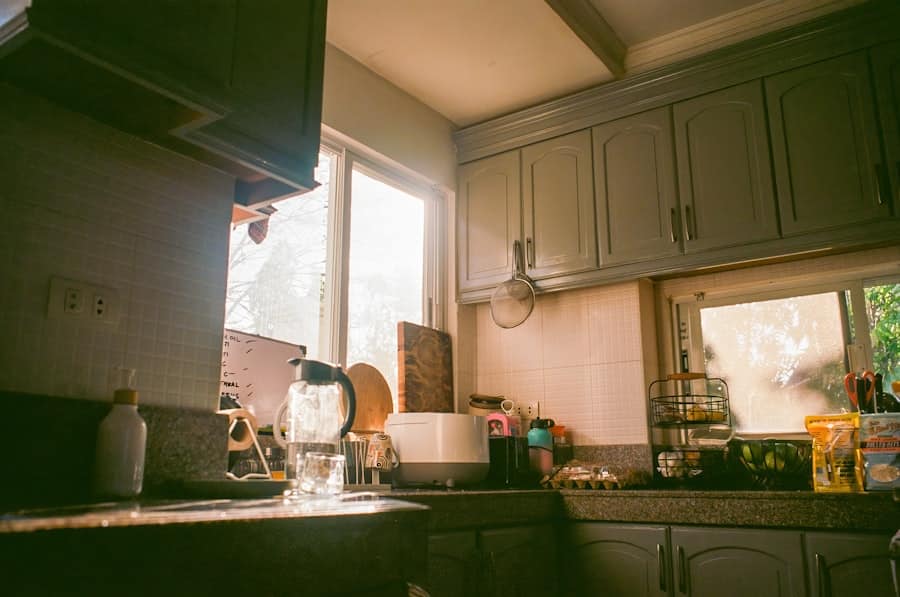
Lighting plays a crucial role in setting the mood and functionality of your outdoor kitchen. As evening falls, you want to ensure that the space remains inviting and usable. Start by incorporating task lighting over cooking areas to provide adequate illumination while you prepare meals.
Pendant lights or under-cabinet lighting can be effective in highlighting these zones. In addition to task lighting, consider adding ambient lighting to create a warm and inviting atmosphere. String lights or lanterns can add charm and character while providing soft illumination for dining areas.
You might also want to include accent lighting to highlight landscaping features or architectural elements of your outdoor kitchen. Thoughtful lighting design will not only enhance safety but also elevate the overall aesthetic of your space.
Creating a Cozy and Inviting Atmosphere
To truly enjoy your outdoor kitchen, it’s essential to create a cozy and inviting atmosphere that encourages relaxation and socializing. Start by incorporating personal touches that reflect your style and personality. Decorative elements like throw pillows, outdoor rugs, or artwork can add warmth and character to the space.
Consider adding features that enhance comfort, such as fire pits or outdoor heaters for cooler evenings. These elements not only provide warmth but also create a focal point around which guests can gather. Additionally, incorporating soft textiles like blankets or cushions can make seating areas more inviting.
By focusing on comfort and aesthetics, you’ll create an outdoor kitchen that feels like an extension of your home.
Incorporating Greenery and Natural Elements
Finally, don’t forget to incorporate greenery and natural elements into your outdoor kitchen design. Plants can add life and vibrancy to the space while also improving air quality. Consider using potted herbs near your cooking area for easy access while preparing meals; they’ll not only look great but also enhance the flavors of your dishes.
You might also want to include landscaping features like flower beds or vertical gardens that complement your outdoor kitchen’s design. Natural elements such as stone pathways or wooden accents can create a seamless transition between your kitchen and surrounding landscape. By integrating greenery into your design, you’ll create a harmonious environment that enhances both the beauty and functionality of your outdoor kitchen.
In conclusion, planning an outdoor kitchen involves careful consideration of various elements that contribute to its functionality and aesthetic appeal. From selecting durable materials to designing a cozy atmosphere, each decision plays a vital role in creating a space where you can enjoy cooking and entertaining year-round. By following these guidelines, you’ll be well on your way to crafting an outdoor kitchen that reflects your style while providing an enjoyable experience for all who gather there.
If you’re looking to create the perfect outdoor kitchen space, you may want to consider hiring a professional contractor to help bring your vision to life. Better Home Contractor offers services in various locations, including Provo, Utah, Warner Robins, Georgia, and Washington, District of Columbia. Their team of experts can assist you in designing and building the outdoor kitchen of your dreams. Check out their website for more information on how they can help you achieve your paradise. Click here to learn more.
FAQs
What are the benefits of having an outdoor kitchen space?
An outdoor kitchen space allows for easy entertaining and dining al fresco, while also keeping cooking smells and heat outside the home. It can also increase the value of a property.
What are the key elements to consider when designing an outdoor kitchen space?
Key elements to consider when designing an outdoor kitchen space include the layout, appliances, storage, lighting, and materials for countertops and flooring.
What appliances are essential for an outdoor kitchen space?
Essential appliances for an outdoor kitchen space include a grill, refrigerator, sink, and storage for utensils and cookware.
What materials are best for outdoor kitchen countertops and flooring?
Durable and weather-resistant materials such as stainless steel, concrete, natural stone, and porcelain tile are best for outdoor kitchen countertops and flooring.
How can I create a comfortable and inviting atmosphere in my outdoor kitchen space?
To create a comfortable and inviting atmosphere, consider adding seating areas, shade structures, outdoor rugs, and decorative elements such as plants and lighting.
What are some important considerations for the layout of an outdoor kitchen space?
When planning the layout of an outdoor kitchen space, it’s important to consider the flow of traffic, the proximity of the cooking area to the dining area, and the placement of utilities such as gas, water, and electricity.