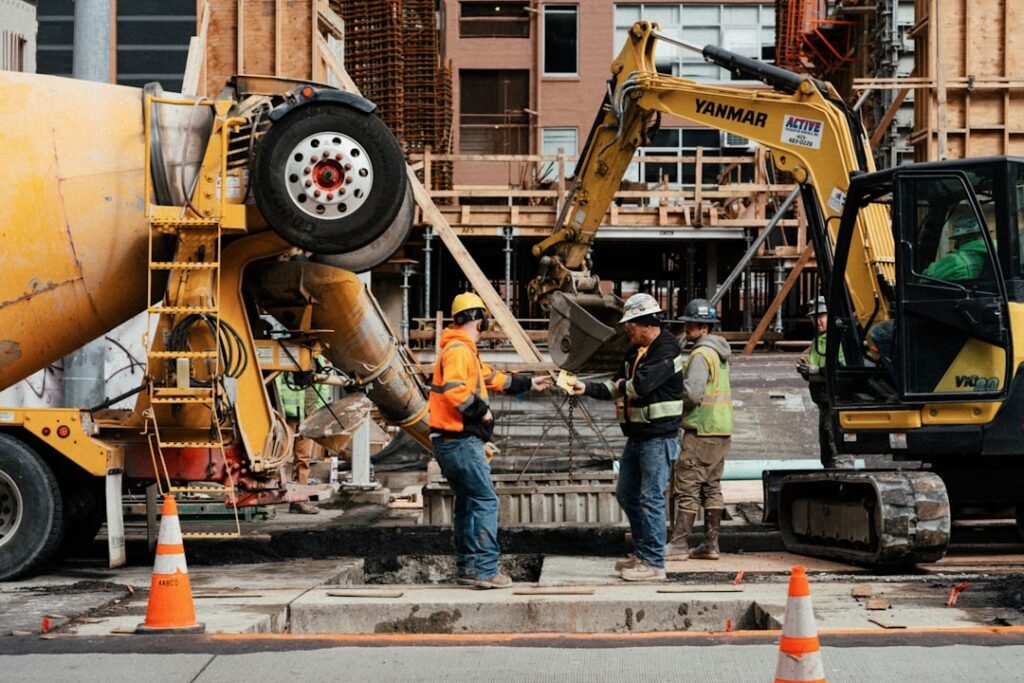
In the construction industry, the roles of contractors and subcontractors are pivotal to the successful completion of projects. As a contractor, you are typically responsible for overseeing the entire project, managing resources, and ensuring that everything runs smoothly from start to finish. You are the primary point of contact for clients, and your responsibilities include budgeting, scheduling, and coordinating various aspects of the construction process.
Your role is multifaceted, requiring a blend of technical knowledge, project management skills, and effective communication. Subcontractors, on the other hand, are specialists who are hired by you to perform specific tasks within a larger project. They bring expertise in particular areas such as plumbing, electrical work, or carpentry.
By engaging subcontractors, you can leverage their specialized skills to enhance the quality of work while allowing you to focus on broader project management tasks. This division of labor not only streamlines operations but also ensures that each component of the project is handled by professionals who excel in their respective fields.
Key Takeaways
- Contractors and subcontractors play a crucial role in the construction industry, with contractors overseeing the entire project and subcontractors specializing in specific tasks.
- Hiring subcontractors can provide contractors with increased flexibility, access to specialized skills, and cost savings, allowing them to take on larger and more complex projects.
- Contractors select and manage subcontractors based on their expertise, reputation, and track record, and effective communication and clear expectations are key to successful collaboration.
- Risks and challenges of hiring subcontractors include potential delays, quality control issues, and legal liabilities, requiring careful risk management and thorough contract agreements.
- Legal and financial considerations of subcontractor hiring involve ensuring compliance with regulations, managing payment schedules, and protecting against potential disputes, which can impact project timelines and quality.
The Benefits of Hiring Subcontractors for Contractors
Hiring subcontractors can significantly benefit you as a contractor in various ways. One of the most notable advantages is the ability to access specialized skills without the need for permanent hires. This flexibility allows you to scale your workforce according to project demands.
For instance, if you are working on a large commercial building that requires extensive electrical work, you can bring in a subcontractor with specific expertise in that area. This not only enhances the quality of work but also ensures that tasks are completed efficiently and on time. Moreover, subcontractors can help you manage costs effectively.
By outsourcing certain tasks, you can avoid the overhead associated with maintaining a full-time workforce. This approach allows you to allocate resources more strategically, focusing on areas that require your direct involvement while entrusting specialized tasks to those who are best equipped to handle them. Additionally, subcontractors often have established relationships with suppliers and vendors, which can lead to cost savings on materials and equipment.
How Contractors Select and Manage Subcontractors
Selecting the right subcontractors is crucial for your project’s success. The process typically begins with identifying potential candidates based on their expertise, experience, and reputation in the industry. You may seek recommendations from colleagues or conduct online research to compile a list of qualified subcontractors.
Once you have a shortlist, it’s essential to evaluate their past work and client feedback to ensure they align with your project’s standards. Once you have selected subcontractors, effective management becomes key. Clear communication is vital; you should establish expectations regarding timelines, quality standards, and payment terms from the outset.
Regular check-ins and progress updates can help you stay informed about their work and address any issues that may arise promptly. By fostering a collaborative environment and maintaining open lines of communication, you can ensure that subcontractors feel supported and motivated to deliver their best work.
The Risks and Challenges of Hiring Subcontractors
While hiring subcontractors offers numerous benefits, it also comes with inherent risks and challenges that you must navigate carefully. One significant concern is the potential for miscommunication or misunderstandings regarding project expectations. If subcontractors are not fully aware of your vision or specific requirements, it can lead to delays or subpar work quality.
To mitigate this risk, it’s essential to provide detailed project briefs and maintain ongoing dialogue throughout the project. Another challenge is managing the reliability and performance of subcontractors. Not all subcontractors will meet your expectations or adhere to deadlines, which can disrupt your project timeline.
To address this issue, consider implementing a thorough vetting process before hiring subcontractors. Additionally, establishing clear performance metrics can help you monitor their progress and hold them accountable for their work.
The Legal and Financial Considerations of Subcontractor Hiring
When hiring subcontractors, there are several legal and financial considerations that you must keep in mind. First and foremost, it’s crucial to have well-drafted contracts in place that outline the scope of work, payment terms, and any other relevant conditions. These contracts serve as a safeguard for both parties and help prevent disputes down the line.
You should also ensure that subcontractors carry appropriate insurance coverage to protect against potential liabilities. Financially, it’s important to budget for subcontractor costs accurately. While hiring subcontractors can save money in some areas, unexpected expenses can arise if projects go awry or if additional work is required.
To avoid financial pitfalls, maintain a contingency fund within your budget to accommodate unforeseen circumstances. Regularly reviewing financial reports related to subcontractor expenses can also help you stay on track and make informed decisions.
The Impact of Subcontractor Hiring on Project Timelines and Quality
The decision to hire subcontractors can significantly influence both project timelines and overall quality. When you engage skilled subcontractors who specialize in specific tasks, you often see an increase in efficiency. Their expertise allows them to complete work more quickly than general contractors might be able to do alone.
This efficiency can lead to faster project completion times, which is beneficial for both you and your clients. However, it’s essential to balance speed with quality. While hiring subcontractors can expedite certain aspects of a project, it’s crucial to ensure that quality does not suffer in the process.
Regular inspections and quality control measures should be implemented throughout the project lifecycle to maintain high standards. By prioritizing both speed and quality, you can deliver exceptional results that meet or exceed client expectations.
Building Successful Relationships Between Contractors and Subcontractors
Establishing strong relationships with your subcontractors is vital for long-term success in the construction industry. A collaborative partnership fosters trust and open communication, which can lead to improved project outcomes. To build these relationships, consider investing time in getting to know your subcontractors personally.
Understanding their strengths, weaknesses, and working styles can help you tailor your management approach to suit their needs. Additionally, recognizing and rewarding good performance can go a long way in strengthening these relationships. Whether through verbal praise or financial incentives for exceptional work, showing appreciation for their efforts encourages subcontractors to remain committed to delivering high-quality results.
By cultivating a positive working environment based on mutual respect and collaboration, you can create a network of reliable subcontractors who contribute positively to your projects.
The Future of Subcontractor Hiring in the Construction Industry
As the construction industry continues to evolve, so too does the landscape of subcontractor hiring. Technological advancements are reshaping how contractors interact with subcontractors, making processes more efficient than ever before. For instance, project management software allows for real-time communication and tracking of progress, enabling you to manage multiple subcontractors seamlessly.
Moreover, as sustainability becomes increasingly important in construction practices, there is a growing demand for subcontractors who specialize in eco-friendly building techniques and materials. This shift presents an opportunity for you to diversify your network of subcontractors by seeking out those who align with sustainable practices. Embracing these changes will not only enhance your competitive edge but also position you as a forward-thinking contractor in an ever-evolving industry landscape.
In conclusion, understanding the dynamics between contractors and subcontractors is essential for navigating the complexities of construction projects successfully. By recognizing the benefits and challenges associated with hiring subcontractors, implementing effective management strategies, and fostering strong relationships, you can enhance project outcomes while positioning yourself for future success in this competitive field.
If you are wondering whether contractors hire subcontractors, you may want to check out this article on Better Home Contractor in Flower Mound, Texas. This article discusses the role of subcontractors in the construction industry and how they are often utilized by contractors to complete specific tasks within a project. It provides valuable insights into the relationship between contractors and subcontractors and how they work together to deliver high-quality results to clients.
FAQs
Do contractors hire subcontractors?
Yes, contractors often hire subcontractors to assist with specific aspects of a project. Subcontractors are typically hired for their specialized skills and expertise in areas such as plumbing, electrical work, or carpentry.
What is the role of a subcontractor?
Subcontractors are responsible for completing specific tasks within a larger construction project. They work under the direction of the main contractor and are typically hired to handle specialized aspects of the project.
How are subcontractors selected by contractors?
Contractors typically select subcontractors based on their expertise, experience, and reputation. They may also consider factors such as cost, availability, and past performance when choosing subcontractors for a project.
Are subcontractors considered independent contractors?
Yes, subcontractors are considered independent contractors. They are responsible for their own taxes, insurance, and other business expenses. They are not employees of the contractor and work on a project-by-project basis.
What are the benefits of hiring subcontractors for contractors?
Hiring subcontractors allows contractors to bring in specialized expertise for specific aspects of a project without having to hire full-time employees. This can help contractors complete projects more efficiently and effectively.