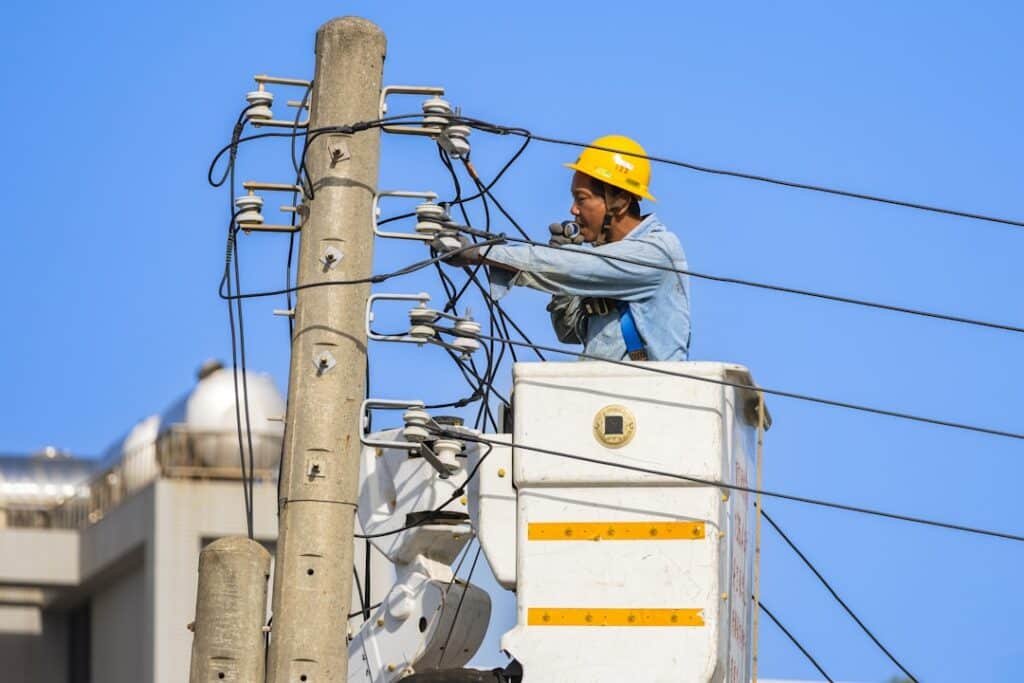
In New Jersey, the electrical contractor license is a crucial credential that signifies a professional’s ability to perform electrical work safely and competently. This license is not merely a formality; it serves as a guarantee to clients that you possess the necessary skills and knowledge to handle electrical systems. The state of New Jersey has established stringent regulations to ensure that all electrical work is conducted by qualified individuals, thereby protecting both the public and the integrity of electrical systems.
As you navigate the complexities of this profession, understanding the significance of this license will be essential for your career. The electrical contractor license in New Jersey is governed by the Division of Consumer Affairs, which sets forth specific guidelines and requirements. This regulatory framework is designed to maintain high standards within the industry, ensuring that all licensed contractors adhere to safety protocols and building codes.
By obtaining this license, you not only enhance your credibility but also open doors to various opportunities in the electrical field. Whether you are looking to start your own business or work for an established company, having this license can significantly impact your professional journey.
Key Takeaways
- Understanding the Electrical Contractor License in New Jersey
- Requirements for Obtaining an Electrical Contractor License in NJ
- Steps to Apply for an Electrical Contractor License in New Jersey
- Exam and Training Requirements for Electrical Contractor License in NJ
- Fees and Costs Associated with Obtaining an Electrical Contractor License in NJ
Requirements for Obtaining an Electrical Contractor License in NJ
To obtain an electrical contractor license in New Jersey, you must meet several key requirements that demonstrate your qualifications and commitment to the profession. First and foremost, you need to have a minimum of five years of experience in the electrical trade. This experience should be under the supervision of a licensed electrical contractor, ensuring that you have gained practical knowledge and skills necessary for the job.
Additionally, you must be at least 21 years old and possess a high school diploma or equivalent. Another critical requirement is passing a comprehensive examination that tests your understanding of electrical theory, safety practices, and relevant codes. This exam is designed to assess your readiness to operate as a licensed contractor and ensure that you are well-versed in the latest industry standards.
Furthermore, you will need to provide proof of liability insurance and workers’ compensation coverage, which protects both you and your clients in case of accidents or damages during your work.
Steps to Apply for an Electrical Contractor License in New Jersey
The application process for obtaining an electrical contractor license in New Jersey involves several steps that require careful attention to detail. First, you will need to gather all necessary documentation, including proof of your work experience, educational qualifications, and any certifications you may hold. This documentation will serve as evidence of your qualifications when you submit your application.
Once you have compiled your documents, the next step is to complete the application form provided by the New Jersey Division of Consumer Affairs. This form will require you to provide personal information, details about your work experience, and any other relevant information that supports your application. After filling out the form, you will need to submit it along with the required fees.
It’s important to double-check all information for accuracy before submission, as any discrepancies could delay the processing of your application.
Exam and Training Requirements for Electrical Contractor License in NJ
Passing the examination is a pivotal step in obtaining your electrical contractor license in New Jersey. The exam covers a wide range of topics, including electrical theory, wiring methods, safety regulations, and local building codes. To prepare effectively, consider enrolling in preparatory courses or study groups that focus on these subjects.
Many candidates find that investing time in structured study helps them grasp complex concepts and increases their chances of passing on their first attempt. In addition to passing the exam, ongoing training is essential for maintaining your knowledge and skills in this ever-evolving field. The electrical industry is subject to frequent changes in technology and regulations, making it vital for you to stay updated on best practices and new developments.
Many licensed contractors choose to participate in continuing education courses that not only fulfill renewal requirements but also enhance their expertise and marketability.
Fees and Costs Associated with Obtaining an Electrical Contractor License in NJ
When pursuing an electrical contractor license in New Jersey, it’s important to be aware of the various fees and costs associated with the process. The initial application fee can vary depending on the specific type of license you are applying for, so it’s wise to check with the New Jersey Division of Consumer Affairs for the most current fee schedule. In addition to the application fee, you may also incur costs related to exam preparation materials or courses designed to help you succeed on the licensing exam.
Moreover, once you obtain your license, there are ongoing costs to consider. These may include renewal fees, liability insurance premiums, and costs associated with continuing education courses. Budgeting for these expenses will help ensure that you remain compliant with state regulations while also maintaining your professional standing within the industry.
Renewal and Continuing Education Requirements for Electrical Contractor License in NJ
Once you have successfully obtained your electrical contractor license in New Jersey, it’s essential to understand the renewal process and continuing education requirements that come with it. Your license must be renewed every three years, which involves submitting a renewal application along with the required fee. Failing to renew on time can result in penalties or even loss of your license, so it’s crucial to keep track of renewal dates.
Continuing education plays a significant role in maintaining your license and staying current with industry standards. In New Jersey, licensed electrical contractors are required to complete a certain number of continuing education credits during each renewal period. These courses often cover updates on electrical codes, safety practices, and new technologies in the field.
Engaging in ongoing education not only fulfills regulatory requirements but also enhances your skills and knowledge base, making you a more competent professional.
Scope of Work for Electrical Contractors in New Jersey
As a licensed electrical contractor in New Jersey, you will have a broad scope of work that encompasses various tasks related to electrical systems. This includes installing, repairing, and maintaining electrical wiring and equipment in residential, commercial, and industrial settings. Your expertise will be essential in ensuring that all installations comply with local building codes and safety regulations.
Additionally, licensed electrical contractors often take on specialized projects such as installing renewable energy systems like solar panels or energy-efficient lighting solutions. As technology continues to advance, staying informed about new trends and innovations will allow you to expand your service offerings and meet the evolving needs of your clients.
Importance of Hiring a Licensed Electrical Contractor in NJ
Hiring a licensed electrical contractor is crucial for anyone seeking electrical services in New Jersey. A licensed contractor brings a level of professionalism and expertise that ensures quality workmanship and adherence to safety standards. When you choose a licensed professional, you can have confidence that they have undergone rigorous training and testing to earn their credentials.
Moreover, working with a licensed contractor provides peace of mind regarding liability and insurance coverage. In the event of an accident or damage during a project, having a licensed professional means that both you and they are protected under their liability insurance policy. This protection is invaluable for homeowners and businesses alike, as it mitigates potential financial risks associated with electrical work.
Consequences of Operating Without a Valid Electrical Contractor License in NJ
Operating without a valid electrical contractor license in New Jersey can lead to serious consequences that can jeopardize both your career and financial stability. First and foremost, performing electrical work without a license is illegal and can result in hefty fines or legal action from state authorities. This not only affects your reputation but can also lead to criminal charges depending on the severity of the violation.
Additionally, working without a license exposes you to significant liability risks. If an accident occurs during an unlicensed job—such as an injury or property damage—you may be held personally responsible without any legal protections afforded by insurance coverage. This can lead to costly lawsuits that could financially devastate you.
Therefore, it’s imperative to ensure that you are fully licensed before taking on any electrical work.
Resources and Support for Electrical Contractors in New Jersey
As an aspiring or current electrical contractor in New Jersey, numerous resources are available to support you throughout your career journey. The New Jersey Division of Consumer Affairs provides comprehensive information regarding licensing requirements, application processes, and regulatory updates that are essential for staying compliant with state laws. Additionally, professional organizations such as the New Jersey Electrical Contractors Association (NJECA) offer networking opportunities, training programs, and advocacy for contractors within the state.
Joining such organizations can provide valuable insights into industry trends while connecting you with fellow professionals who share similar goals and challenges.
Frequently Asked Questions about Electrical Contractor License in NJ
Many individuals seeking an electrical contractor license in New Jersey often have similar questions regarding the process and requirements involved. One common inquiry pertains to how long it takes to obtain a license after submitting an application. While processing times can vary based on several factors—including application volume—most applicants can expect a response within several weeks.
Another frequently asked question revolves around whether prior experience as an electrician qualifies towards meeting licensing requirements. Generally speaking, experience gained under a licensed contractor does count towards fulfilling the five-year requirement; however, it’s essential to document this experience accurately when applying for your license. In conclusion, obtaining an electrical contractor license in New Jersey is a multifaceted process that requires dedication and adherence to state regulations.
By understanding the requirements, preparing adequately for exams, and engaging in ongoing education, you can position yourself as a qualified professional ready to excel in this dynamic field. Whether you’re just starting out or looking to enhance your existing skills, being informed about licensing processes will empower you on your journey as an electrical contractor.
If you are considering becoming an electrical contractor in New Jersey, it is important to understand the licensing requirements. You can find more information on this topic in the article “Empowering Homeowners: DIY Hacks and Tips from the Pros”. This article provides valuable insights into the world of home improvement and offers tips for homeowners looking to tackle projects on their own. Understanding the basics of electrical work can help you become a more knowledgeable and skilled contractor in the field.
FAQs
What is an electrical contractor license in NJ?
An electrical contractor license in NJ is a certification that allows an individual or company to legally perform electrical work in the state of New Jersey.
How do I obtain an electrical contractor license in NJ?
To obtain an electrical contractor license in NJ, individuals must meet certain requirements, including completing a specified amount of education and training, passing an exam, and submitting an application to the New Jersey Division of Consumer Affairs.
What are the requirements for obtaining an electrical contractor license in NJ?
The requirements for obtaining an electrical contractor license in NJ may include completing a certain number of hours of education and training, passing a written exam, providing proof of insurance, and submitting an application along with the required fees.
How long does it take to get an electrical contractor license in NJ?
The time it takes to get an electrical contractor license in NJ can vary depending on the individual’s ability to meet the requirements, pass the exam, and submit a complete application. It may take several weeks to several months to complete the process.
What can I do with an electrical contractor license in NJ?
With an electrical contractor license in NJ, individuals or companies are legally allowed to perform electrical work, including installation, maintenance, and repair of electrical systems in residential, commercial, and industrial settings within the state of New Jersey.