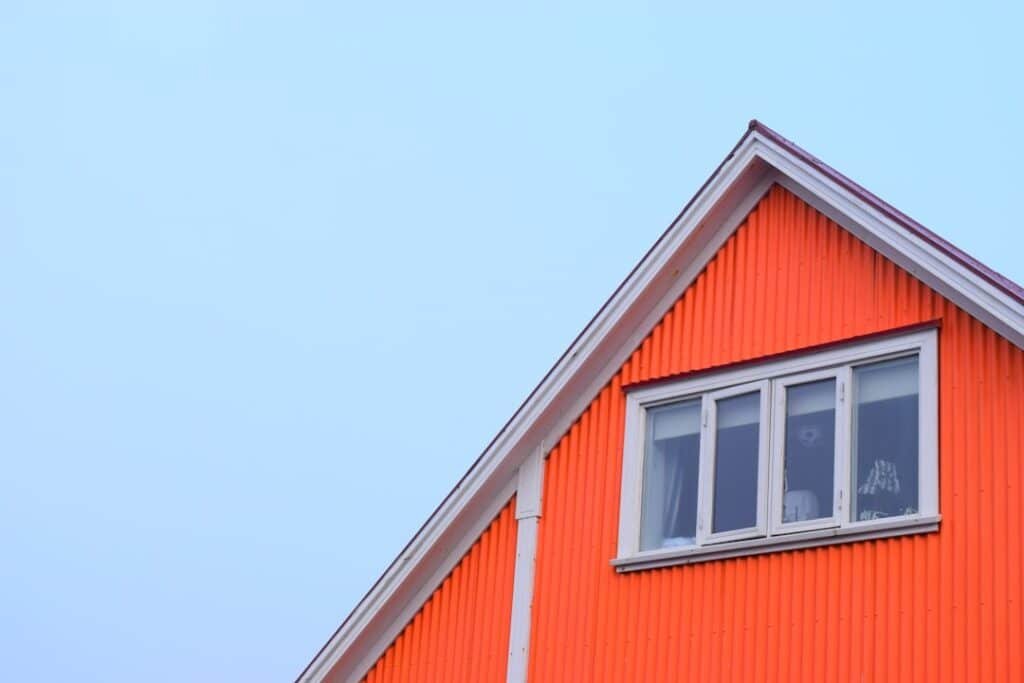
Tiny house living has emerged as a compelling lifestyle choice for many individuals and families seeking simplicity, sustainability, and financial freedom. As you navigate the complexities of modern life, the allure of downsizing becomes increasingly appealing. The tiny house movement encourages you to rethink your relationship with material possessions and embrace a minimalist lifestyle.
By living in a smaller space, you can reduce your environmental footprint while also enjoying the benefits of a more intentional way of life. The concept of tiny houses is not merely about reducing square footage; it’s about creating a home that reflects your values and priorities. Whether you are drawn to the idea of living off-grid, minimizing your debt, or simply enjoying a more manageable living space, tiny house living offers a unique opportunity to redefine what home means to you.
As you explore this lifestyle, you may find that it fosters a deeper connection with your surroundings and encourages you to prioritize experiences over possessions.
Key Takeaways
- Tiny house living offers a minimalist lifestyle with a smaller ecological footprint.
- Energy-efficient design in tiny houses can lead to cost savings and reduced environmental impact.
- Maximizing space and efficiency is crucial in tiny house living to make the most of limited square footage.
- Choosing the right materials for energy efficiency can improve insulation and reduce energy consumption.
- Incorporating renewable energy sources such as solar panels can further reduce the environmental impact of tiny house living.
The Benefits of Energy-Efficient Design
One of the most significant advantages of tiny house living is the potential for energy-efficient design. In a smaller space, every square foot counts, allowing you to implement energy-saving features that might be impractical in a traditional home. By focusing on energy efficiency, you can significantly reduce your utility bills and lessen your impact on the environment.
This not only benefits your wallet but also contributes to a more sustainable future for the planet. Energy-efficient design in tiny houses often includes features such as high-quality insulation, energy-efficient windows, and smart appliances. These elements work together to create a comfortable living environment while minimizing energy consumption.
As you consider your own tiny house, think about how these design choices can enhance your quality of life while also promoting sustainability. By prioritizing energy efficiency, you can create a home that aligns with your values and supports your lifestyle.
Maximizing Space and Efficiency
In a tiny house, maximizing space is essential for creating a functional and comfortable living environment. You may find that clever storage solutions and multi-purpose furniture are key components of your design strategy. By utilizing vertical space, incorporating built-in storage, and selecting furniture that serves multiple functions, you can make the most of every inch in your tiny home.
This approach not only enhances efficiency but also fosters a sense of organization and calm. Additionally, consider how the layout of your tiny house can contribute to its overall efficiency. An open floor plan can create a sense of spaciousness while allowing for easy movement between areas.
You might also explore the idea of zoning different areas for specific activities, such as cooking, working, or relaxing. By thoughtfully designing your space, you can create an environment that feels both functional and inviting, making tiny house living a truly enjoyable experience.
Choosing the Right Materials for Energy Efficiency
When it comes to building or renovating your tiny house, selecting the right materials is crucial for achieving energy efficiency. You may want to prioritize sustainable materials that not only reduce your environmental impact but also enhance the overall performance of your home. For instance, consider using reclaimed wood for flooring or furniture, which not only adds character but also minimizes waste.
Additionally, look for materials with high insulation values to keep your home comfortable year-round. Another important aspect of material selection is durability. Investing in high-quality materials can save you money in the long run by reducing maintenance and replacement costs.
You might also explore eco-friendly options such as bamboo flooring or recycled metal roofing, which offer both aesthetic appeal and energy efficiency. By carefully choosing materials that align with your values and goals, you can create a tiny house that is not only beautiful but also environmentally responsible.
Incorporating Renewable Energy Sources
As you embrace tiny house living, incorporating renewable energy sources can significantly enhance your sustainability efforts. Solar panels are one of the most popular options for tiny homeowners looking to harness clean energy. By installing solar panels on your roof or in your yard, you can generate electricity to power your home while reducing reliance on fossil fuels.
This not only lowers your carbon footprint but also provides you with greater energy independence. In addition to solar power, consider other renewable energy options such as wind turbines or micro-hydro systems if you have access to flowing water. These systems can complement your solar setup and provide additional energy sources for your tiny house.
As you explore renewable energy solutions, think about how they can enhance your quality of life while supporting a more sustainable future. By investing in clean energy technologies, you can create a home that aligns with your values and contributes positively to the environment.
Heating and Cooling Solutions for Tiny Houses
Efficient heating and cooling solutions are essential for maintaining comfort in a tiny house throughout the year. Given the smaller size of these homes, traditional HVAC systems may not be necessary or practical. Instead, consider alternative options such as mini-split systems or ductless heat pumps that provide efficient heating and cooling without taking up too much space.
These systems are designed to be energy-efficient while offering precise temperature control. In addition to mechanical systems, passive heating and cooling strategies can also play a significant role in maintaining comfort in your tiny house. You might explore options such as strategically placed windows for natural ventilation or thermal mass materials that absorb heat during the day and release it at night.
By combining active and passive solutions, you can create a comfortable living environment that minimizes energy consumption while maximizing efficiency.
Water and Waste Management in Tiny Houses
Effective water and waste management is crucial for maintaining sustainability in tiny house living. With limited space and resources, it’s essential to implement systems that minimize water usage and manage waste responsibly. You may want to consider installing low-flow fixtures in your kitchen and bathroom to reduce water consumption without sacrificing performance.
Additionally, rainwater harvesting systems can provide an alternative source of water for irrigation or non-potable uses. When it comes to waste management, composting toilets are an increasingly popular choice among tiny homeowners. These systems not only reduce water usage but also convert waste into nutrient-rich compost that can be used in gardens or landscaping.
By adopting sustainable practices for water and waste management, you can create a tiny house that aligns with your values while promoting environmental stewardship.
Tips for Living Sustainably in a Tiny House
Living sustainably in a tiny house goes beyond just design choices; it’s about adopting a mindset that prioritizes environmental responsibility in all aspects of life. One effective way to cultivate this mindset is by embracing minimalism and decluttering regularly. By letting go of items that no longer serve you, you can create a more organized and peaceful living environment while reducing waste.
Another important tip is to prioritize local sourcing for food and other necessities. Supporting local farmers and businesses not only reduces your carbon footprint but also fosters community connections. You might also consider growing your own food in a small garden or using vertical gardening techniques to maximize space while enjoying fresh produce.
By integrating sustainable practices into your daily routine, you can fully embrace the benefits of tiny house living while contributing positively to the environment. In conclusion, tiny house living offers an opportunity to embrace simplicity, sustainability, and intentionality in your life. By focusing on energy-efficient design, maximizing space, choosing the right materials, incorporating renewable energy sources, managing heating and cooling effectively, addressing water and waste management responsibly, and adopting sustainable practices, you can create a home that reflects your values while enhancing your quality of life.
As you embark on this journey, remember that every small choice contributes to a larger impact on the world around you.
If you’re interested in energy-efficient tiny house design, you may also want to check out this article on