In recent years, outdoor kitchen design has surged in popularity, transforming backyards into culinary havens. You may have noticed that more homeowners are opting for outdoor cooking spaces that rival traditional indoor kitchens. This trend reflects a broader shift towards outdoor living, where the boundaries between indoor and outdoor spaces blur.
As you step outside, you can enjoy the fresh air while preparing meals, entertaining guests, or simply relaxing with family. The allure of cooking al fresco has become irresistible, and it’s easy to see why. The rise of outdoor kitchens is not just about aesthetics; it’s also about lifestyle.
You might find that these spaces encourage a more social atmosphere, allowing you to engage with friends and family while you cook. The integration of cooking and dining outdoors fosters a sense of community and connection, making gatherings more enjoyable. As you embrace this trend, you’ll discover that an outdoor kitchen can enhance your home’s value and appeal, making it a worthwhile investment for your property.
Key Takeaways
- Outdoor kitchen design is on the rise, offering a functional and stylish cooking space.
- A functional outdoor cooking space requires careful planning and consideration of layout and workflow.
- Choosing the right appliances and materials is crucial for durability and performance in an outdoor setting.
- Stylish and comfortable seating is essential for creating a welcoming and enjoyable outdoor dining experience.
- Enhancing the ambiance with lighting and decor adds a touch of sophistication and warmth to the outdoor kitchen space.
Creating a Functional Outdoor Cooking Space
When designing your outdoor cooking space, functionality should be at the forefront of your mind. You want to create an area that not only looks good but also serves your culinary needs effectively. Start by considering the layout of your outdoor kitchen.
You may want to incorporate a grill, a sink, and ample counter space for food preparation. Think about how you typically cook and entertain; this will help you determine the best arrangement for your appliances and work surfaces. Another essential aspect of functionality is ensuring that your outdoor kitchen is equipped with adequate utilities.
You might need to install gas lines for your grill or plumbing for your sink. Additionally, consider the proximity of your outdoor kitchen to your indoor space. A seamless flow between the two areas can make meal prep and serving much more convenient.
By prioritizing functionality in your design, you’ll create an outdoor cooking space that meets your needs and enhances your overall outdoor experience.
Choosing the Right Appliances and Materials
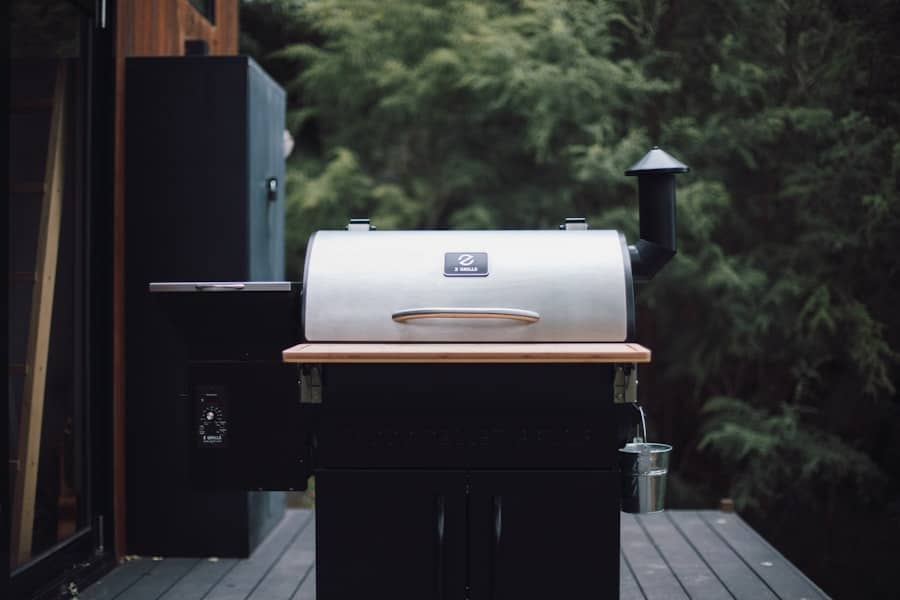
Selecting the right appliances and materials is crucial to the success of your outdoor kitchen design. You’ll want to invest in high-quality appliances that can withstand the elements while providing excellent performance. Stainless steel is a popular choice for outdoor appliances due to its durability and resistance to rust and corrosion.
As you explore options, consider features that will enhance your cooking experience, such as built-in grills, pizza ovens, or even smokers. In addition to appliances, the materials you choose for countertops and cabinetry will significantly impact the overall look and functionality of your outdoor kitchen. You might opt for natural stone or concrete for countertops, as these materials are not only stylish but also resilient against weather conditions.
When selecting cabinetry, look for options that are specifically designed for outdoor use, ensuring they can handle moisture and temperature fluctuations without warping or deteriorating. By carefully choosing your appliances and materials, you’ll create a cohesive and functional outdoor kitchen that stands the test of time.
Incorporating Stylish and Comfortable Seating
An outdoor kitchen is not just about cooking; it’s also about creating a welcoming environment for socializing and relaxation. As you design your space, think about incorporating stylish and comfortable seating options that encourage guests to linger. You might consider adding bar stools around a countertop or a cozy dining table where friends and family can gather to enjoy meals together.
When selecting seating, prioritize comfort as well as style. Look for weather-resistant materials that can withstand the elements while still providing a cozy atmosphere. Cushions with fade-resistant fabrics can add an extra layer of comfort and style to your seating area.
Additionally, consider the layout of your seating in relation to your cooking space; you want to create an inviting flow that allows for easy conversation while you prepare meals. By thoughtfully incorporating seating into your outdoor kitchen design, you’ll create a space that invites connection and enjoyment.
Enhancing the Ambiance with Lighting and Decor
The right lighting can dramatically enhance the ambiance of your outdoor kitchen, making it a welcoming space for evening gatherings or late-night meals. As you plan your lighting scheme, consider a combination of task lighting for cooking areas and ambient lighting for dining spaces. You might install pendant lights above the cooking area or string lights overhead to create a warm and inviting atmosphere.
Decor also plays a significant role in setting the mood for your outdoor kitchen. You could incorporate decorative elements such as potted plants, artwork, or even an outdoor rug to define the space and add personality. Consider using colors and textures that complement your home’s exterior while also reflecting your personal style.
By enhancing the ambiance with thoughtful lighting and decor choices, you’ll create an outdoor kitchen that feels like an extension of your home—a place where memories are made and shared.
Maximizing Storage and Organization
Optimizing Storage Solutions
You might consider installing cabinets or shelves to store utensils, cookware, and other essentials. Built-in storage solutions can help keep your outdoor kitchen tidy while ensuring that everything has its place.
Thinking Outside the Box
In addition to traditional storage options, think creatively about how to incorporate organization into your design. Magnetic strips for knives or hanging racks for utensils can save counter space while keeping tools easily accessible.
Streamlining Meal Prep
You might also want to include a designated area for spices or condiments to streamline meal prep. By prioritizing storage and organization in your outdoor kitchen design, you’ll create a functional space that allows you to focus on what matters most—enjoying the cooking experience.
Designing for All-Weather Use
To truly make the most of your outdoor kitchen, it’s essential to design it for all-weather use. This means considering how you can protect your space from rain, wind, and extreme temperatures while still enjoying the benefits of cooking outdoors year-round. You might explore options such as installing a pergola or awning to provide shade during hot summer days or shelter from unexpected rain showers.
Additionally, think about incorporating heating elements such as patio heaters or a fireplace to extend the usability of your outdoor kitchen during cooler months. You could also invest in weather-resistant furniture and appliances designed to withstand harsh conditions without compromising on style or functionality. By designing with all-weather use in mind, you’ll ensure that your outdoor kitchen remains a beloved gathering spot no matter the season.
Bringing the Bistro Experience Home
One of the most appealing aspects of an outdoor kitchen is its ability to replicate the bistro experience right in your backyard. You can create an inviting atmosphere reminiscent of your favorite café by incorporating elements that enhance the dining experience. Consider adding a small bar area where guests can enjoy drinks while you cook or setting up a charming dining table adorned with fresh flowers or candles.
To further enhance the bistro vibe, think about incorporating unique touches such as a chalkboard menu displaying daily specials or themed decor that reflects different cuisines from around the world. You might even consider hosting themed dinner nights where you prepare dishes inspired by various cultures, allowing friends and family to enjoy an international culinary journey without leaving home. By bringing the bistro experience into your outdoor kitchen design, you’ll create a delightful space that encourages exploration and enjoyment of food in all its forms.
In conclusion, designing an outdoor kitchen is an exciting opportunity to enhance your home’s functionality and aesthetic appeal while embracing the joys of al fresco dining. By focusing on creating a functional cooking space, selecting quality appliances and materials, incorporating comfortable seating, enhancing ambiance with lighting and decor, maximizing storage solutions, designing for all-weather use, and bringing the bistro experience home, you’ll craft an inviting environment that elevates both everyday meals and special gatherings alike. Your outdoor kitchen will become a cherished space where culinary creativity flourishes and memories are made under the open sky.
If you’re looking to transform your backyard into a stunning outdoor kitchen, you may want to consider hiring a professional contractor. Better Home Contractor offers services in various locations, including Apple Valley, California, Albuquerque, New Mexico, and San Jose, California. Their expertise can help you create the perfect outdoor space for entertaining and enjoying the beauty of outdoor kitchen design.
FAQs
What is outdoor kitchen design?
Outdoor kitchen design is the process of creating a functional and aesthetically pleasing cooking and dining space in an outdoor setting, typically in a backyard or patio area.
What are the benefits of outdoor kitchen design?
Outdoor kitchen design allows for expanded living and entertaining space, enhances the value of a home, and provides a unique and enjoyable cooking and dining experience in a natural setting.
What are some popular features of outdoor kitchen design?
Popular features of outdoor kitchen design include built-in grills, countertops, sinks, storage cabinets, refrigerators, and outdoor dining areas such as bars or dining tables.
What materials are commonly used in outdoor kitchen design?
Common materials used in outdoor kitchen design include stainless steel for appliances, granite or concrete for countertops, and weather-resistant materials such as stone, tile, or brick for flooring and walls.
What are some important considerations for outdoor kitchen design?
Important considerations for outdoor kitchen design include the layout and flow of the space, proper ventilation for cooking appliances, protection from the elements, and the integration of lighting and landscaping for ambiance and functionality.