When you embark on the journey of creating your outdoor kitchen, the first step is to carefully plan its design and layout. You should envision how you want the space to function and flow. Consider the activities you’ll be engaging in—whether it’s grilling, entertaining, or simply enjoying a quiet meal outdoors.
Start by sketching a rough layout that includes key elements such as the grill, prep areas, and dining spaces. Think about how you can maximize the use of your outdoor space while ensuring that it remains inviting and accessible. As you plan, take into account the natural features of your yard.
You might want to position your kitchen to take advantage of scenic views or to provide shelter from the wind. Additionally, consider the proximity to your indoor kitchen for ease of access to supplies and ingredients. You should also think about the flow of movement; ensure that there’s enough space for people to move around comfortably without bumping into each other.
By thoughtfully planning your outdoor kitchen’s design and layout, you set the stage for a functional and enjoyable cooking and dining experience.
Key Takeaways
- Proper planning and layout are essential for an efficient and functional outdoor kitchen design.
- Consider the pros and cons of gas, charcoal, and pellet grills to choose the right option for your outdoor cooking needs.
- Essential appliances like refrigerators and sinks are crucial for a fully functional outdoor kitchen.
- Create a comfortable and inviting outdoor dining area with the right tables, chairs, and lighting.
- Select durable and weather-resistant materials like stainless steel and stone for countertops, cabinets, and flooring in your outdoor kitchen.
- Incorporate chill zones like outdoor bars, fire pits, and lounge areas for a complete outdoor entertainment space.
- Ensure proper ventilation and fire prevention measures for outdoor kitchen safety.
- Regular maintenance and care are necessary to keep your outdoor kitchen in top shape and prolong its lifespan.
Choosing the Right Grill: Gas, Charcoal, or Pellet?
Selecting the right grill is a pivotal decision in your outdoor kitchen project. Each type of grill—gas, charcoal, or pellet—offers unique benefits that cater to different cooking styles and preferences. If you value convenience and speed, a gas grill may be your best option.
With just a turn of a knob, you can ignite the flames and start cooking almost immediately. Gas grills also allow for precise temperature control, making them ideal for those who enjoy experimenting with various cooking techniques. On the other hand, if you’re a purist who relishes the smoky flavor that comes from traditional grilling methods, a charcoal grill might be more appealing.
Charcoal grills require a bit more time and effort to set up, but they reward you with an authentic taste that many enthusiasts swear by. You can also experiment with different types of charcoal and wood chips to enhance the flavor profile of your dishes. Lastly, consider a pellet grill if you’re looking for versatility.
These grills combine the convenience of gas with the flavor of charcoal, allowing you to smoke, grill, and bake all in one unit. By weighing the pros and cons of each type of grill, you can make an informed choice that aligns with your culinary aspirations.
Essential Outdoor Kitchen Appliances: Refrigerators, Sinks, and More
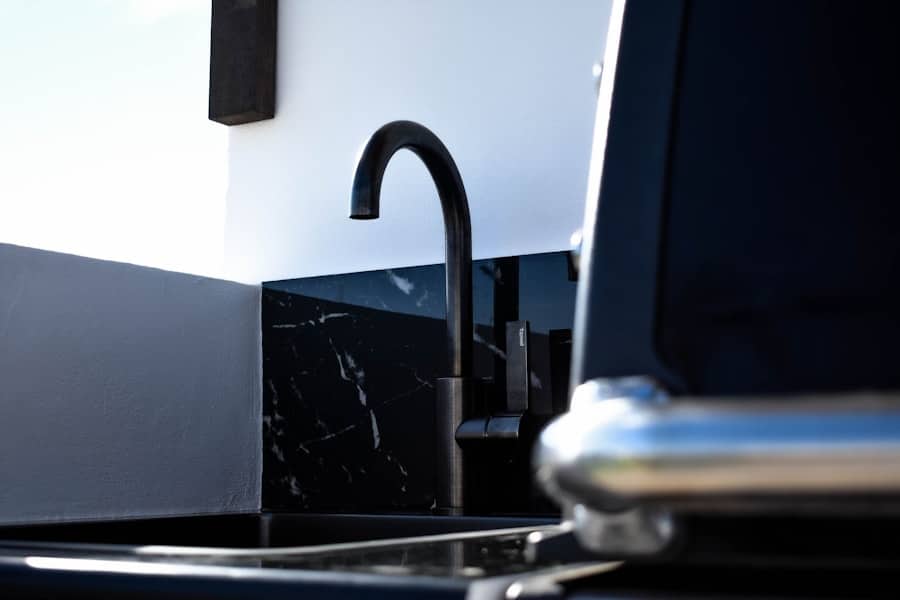
An outdoor kitchen is not complete without essential appliances that enhance functionality and convenience. One of the most important additions is an outdoor refrigerator. This appliance allows you to keep beverages cold and ingredients fresh without having to run back and forth to your indoor kitchen.
When selecting an outdoor refrigerator, look for models designed specifically for outdoor use, as they are built to withstand varying weather conditions. In addition to refrigeration, consider incorporating a sink into your outdoor kitchen design. A sink provides a dedicated space for food prep and cleanup, making it easier to manage your cooking tasks without cluttering your dining area.
You might also want to include other appliances such as a pizza oven or a side burner for boiling or sautéing. These additions can elevate your outdoor cooking experience and allow you to prepare a wider variety of dishes. By thoughtfully selecting essential appliances, you can create a well-equipped outdoor kitchen that meets all your culinary needs.
Creating the Perfect Outdoor Dining Area: Tables, Chairs, and Lighting
Once your cooking area is set up, it’s time to focus on creating an inviting outdoor dining area. The right tables and chairs can transform your space into a comfortable setting where family and friends can gather for meals. When choosing furniture, consider materials that are durable and weather-resistant, such as teak or aluminum.
These materials not only withstand the elements but also add a touch of elegance to your outdoor space. Lighting is another crucial element in establishing the perfect dining atmosphere. You might opt for string lights draped overhead for a whimsical touch or install lanterns on tables for a cozy glow during evening meals.
If you have a pergola or awning, consider adding recessed lighting for a more sophisticated look. The right lighting can enhance the ambiance of your outdoor dining area, making it an inviting space for entertaining guests or enjoying quiet dinners under the stars.
Selecting the Best Materials for Your Outdoor Kitchen: Countertops, Cabinets, and Flooring
The materials you choose for your outdoor kitchen play a significant role in both aesthetics and functionality. When selecting countertops, look for options that are durable and resistant to heat and moisture. Materials like granite or quartz are excellent choices as they can withstand the rigors of outdoor cooking while providing a sleek appearance.
Additionally, consider using non-porous materials that are easy to clean and maintain. Cabinets are another essential component of your outdoor kitchen design. Opt for weather-resistant materials such as stainless steel or marine-grade polymer to ensure longevity against the elements.
These materials not only provide ample storage but also contribute to a modern look that complements your overall design. Lastly, don’t overlook flooring options; choose materials that are slip-resistant and easy to clean, such as porcelain tiles or stamped concrete. By carefully selecting high-quality materials for your outdoor kitchen, you create a space that is both beautiful and built to last.
Incorporating Chill Zones: Outdoor Bars, Fire Pits, and Lounge Areas

Outdoor Bars for Social Gatherings
An outdoor bar can serve as a central hub for socializing; it’s the perfect spot for mixing drinks or enjoying cocktails with friends while grilling. You might choose to install bar stools around a counter or create a more elaborate setup with shelves for glassware and mixers.
Cozy Fire Pits for Ambiance
Fire pits are another fantastic addition that can enhance the ambiance of your outdoor space. They provide warmth on cooler evenings and create a cozy atmosphere for gathering around with loved ones. You could opt for a built-in fire pit or a portable one that allows flexibility in placement.
Lounge Areas for Relaxation
Additionally, consider creating lounge areas with comfortable seating options like outdoor sofas or hammocks where you can relax after meals or enjoy quiet moments outdoors. By incorporating these chill zones into your outdoor kitchen design, you create an inviting environment that encourages relaxation and socialization.
Outdoor Kitchen Safety: Tips for Proper Ventilation and Fire Prevention
Safety should always be a top priority when designing your outdoor kitchen. Proper ventilation is crucial to ensure that smoke and fumes from grilling do not accumulate in your cooking area. If you’re using gas appliances, make sure they are installed according to local codes and regulations to prevent any potential hazards.
You might also consider adding an overhead vent hood if your setup allows it; this can help direct smoke away from cooking areas. Fire prevention is another essential aspect of outdoor kitchen safety. Keep flammable materials away from heat sources and ensure that you have fire extinguishers readily available in case of emergencies.
It’s also wise to establish clear pathways around your cooking area to prevent accidents while carrying hot items or moving around guests. By taking these safety precautions seriously, you can enjoy your outdoor kitchen with peace of mind.
Maintenance and Care: Keeping Your Outdoor Kitchen in Top Shape
To ensure that your outdoor kitchen remains in top shape for years to come, regular maintenance is key. Start by cleaning your grill after each use; this prevents grease buildup and ensures optimal performance during future cookouts. You should also periodically check all appliances for any signs of wear or damage; addressing issues early can save you from costly repairs down the line.
In addition to appliance care, pay attention to the surfaces in your outdoor kitchen. Regularly clean countertops and cabinets with appropriate cleaners designed for the materials used; this will help maintain their appearance over time. If you have wooden furniture or decking, consider applying sealants or stains annually to protect against weathering.
By committing to routine maintenance and care, you can keep your outdoor kitchen looking pristine while ensuring it remains functional for all your culinary adventures ahead.
If you’re looking to create the ultimate outdoor kitchen, you may also be interested in reading about the challenges and triumphs in historical restoration projects. Check out