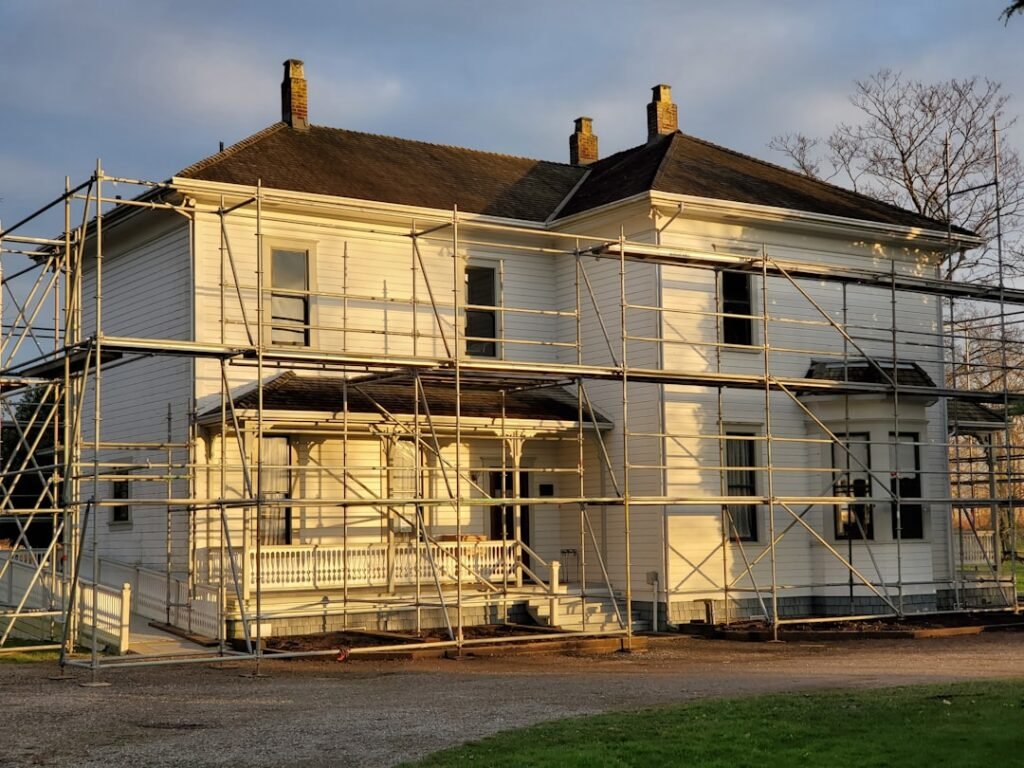
You stand before it, a relic of a bygone era. The ornate gingerbread trim whispers tales of horse-drawn carriages and gaslight evenings. The brickwork, weathered by decades of Texas sun and storms, holds the weight of history. This isn’t just a building; it’s a time capsule, and you are its custodian. Your mission: to breathe new life into this historic home in downtown McKinney, Texas, a task that demands a skilled hand and a deep respect for its past.
Your journey into renovating a historic McKinney home is not akin to building a new structure from the ground up. It’s more like piecing together a complex, aged puzzle, where each historical element is a crucial, irreplaceable piece. The foundation of your project rests on understanding the inherent challenges and specific requirements that differentiate historic renovations from standard construction.
The Definition of a Historic Home
Before you even consider permits or blueprints, you must rigorously define what constitutes a “historic home” in the context of downtown McKinney. This classification is not merely an aesthetic judgment; it’s a designation often conferred by local historical commissions or recognized by state and national registers like the National Register of Historic Places. Homes built before a certain year, typically preceding World War II, or those possessing unique architectural styles or significant historical associations, are likely candidates. Understanding this designation is the first step in unlocking a world of specific regulations and potential preservation incentives.
Identifying Architectural Styles of McKinney’s Past
Downtown McKinney boasts a rich tapestry of architectural styles, each reflecting the aspirations and tastes of its original inhabitants. From the stately Victorian homes with their elaborate turrets and wrap-around porches to the simpler yet functional Craftsman bungalows with their exposed rafters and natural materials, recognizing these styles is paramount. You’ll need to become familiar with the hallmarks of Queen Anne, Italianate, Colonial Revival, and other prevalent styles found in this historic district. This knowledge will inform your material choices and design decisions, ensuring fidelity to the home’s original character. This isn’t about replicating the past exactly, but about understanding its vernacular and working within its language.
The Significance of Historical Integrity
Maintaining historical integrity is the golden thread that must weave through your entire renovation process. It’s about preserving the features and character that make the home historically significant. This includes original materials like antique heart pine flooring, ornate plasterwork, handcrafted trim, and even the patina on original hardware. When replacement is unavoidable, the goal is to match original materials and craftsmanship as closely as possible. This is where the true artistry of a historic renovation contractor shines, distinguishing them from general contractors. They understand that a salvaged piece of original millwork is not just wood; it’s a piece of the home’s biography.
Navigating Local Ordinances and Preservation Guidelines
Downtown McKinney, like many historic districts, operates under a strict set of regulations designed to safeguard its unique character. Ignoring these ordinances is a surefire way to invite delays, costly rework, and potential legal entanglements, turning your dream renovation into a bureaucratic nightmare.
The Role of the McKinney Historic Preservation Commission
The McKinney Historic Preservation Commission (MHPC) is your primary point of contact for any significant exterior work on a designated historic property. Their role is to review proposed alterations to ensure they comply with the Secretary of the Interior’s Standards for Rehabilitation, a foundational document for historic preservation. You’ll need to engage with them early and often, presenting detailed plans and documenting your proposed materials and methods. Think of them not as an obstacle, but as a guardian of the district’s heritage, offering guidance to ensure your project contributes positively to its historical narrative.
Understanding Certificate of Appropriateness (COA) Requirements
Any exterior work, from replacing windows to repainting the facade, will likely require a Certificate of Appropriateness (COA). This document signifies that your proposed changes have been reviewed and approved by the MHPC. The application process can be thorough, often requiring detailed drawings, material samples, and a clear explanation of how your project aligns with preservation guidelines. Patience and meticulous documentation are your best allies here.
Zoning Regulations and Historic Districts
Beyond preservation guidelines, you must also be aware of specific zoning regulations that may apply to historic districts. These can dictate aspects like building height, setbacks, and the types of additions permissible. Understanding these parameters upfront will prevent costly and disheartening redesigns down the line.
If you’re considering a historic home renovation in Downtown McKinney, TX, you might find inspiration in the article titled “Inspiring Future Innovations: The Legacy of Historical Restoration in Modern Architecture.” This piece explores how the principles of historical restoration can influence contemporary design, making it a valuable resource for homeowners and contractors alike. To read more about the impact of historical restoration on modern architecture, visit this link: Inspiring Future Innovations: The Legacy of Historical Restoration in Modern Architecture.
The Expertise of Specialized Historic Renovation Contractors
Your choice of contractor is the linchpin of a successful historic home renovation. You are not simply hiring someone to swing a hammer; you are engaging a craftsperson, a historian, and a problem-solver, all rolled into one. The contractor you choose must possess a specialized skillset forged through experience with aging structures.
Experience with Period Materials and Techniques
The materials and construction techniques of yesteryear differ dramatically from modern standards. Your contractor must understand how to work with original plaster, lath, and plaster, hand-sawn lumber, and potentially lead paint and asbestos (requiring specialized abatement procedures). They should be adept at sourcing historically appropriate materials, whether it’s matching antique brick, recreating intricate millwork, or finding period-appropriate windows and doors. This is not a skill found in every toolbox.
Restoring Versus Replacing Original Features
A crucial distinction in historic renovation is the decision between restoring an original feature and replacing it. Restoring an original feature, where possible, is almost always the preferred route for preserving historical integrity. This might involve meticulously cleaning and repairing original wood floors, repairing damaged plaster walls rather than drywalling over them, or meticulously restoring antique windows instead of opting for modern vinyl replacements. Your contractor should be an expert in these delicate restoration processes.
Recreating Missing or Damaged Elements
When restoration is not feasible, the contractor’s ability to accurately recreate missing or damaged elements becomes paramount. This requires a deep understanding of historical architectural details and the skill to fabricate new components that are visually and structurally indistinguishable from the originals. This could involve custom wood carving, custom metalwork, or sourcing specialized architectural salvage.
Working with Pre-War Construction Challenges
Historic homes are often a testament to less precise construction methods than what we see today. They may have bowed walls, uneven floors, and plumbing and electrical systems that are at least a century out of date. Your contractor must be able to diagnose and address these existing conditions with careful consideration.
Structural Stabilization and Reinforcement
Addressing the structural integrity of an old home is often the first and most critical step. This can involve reinforcing sagging floor joists, shoring up settling foundations, or addressing any structural weaknesses that have developed over time. Modern structural engineering principles are applied, but with a sensitivity to the existing structure, avoiding invasive methods that could compromise historical elements.
Upgrading Utilities While Maintaining Aesthetics
Bringing a historic home up to modern code for electrical, plumbing, and HVAC systems can be a significant challenge. The goal is to integrate these modern systems discreetly, minimizing their visual impact on the historic fabric of the home. This might involve carefully routing new wiring through existing wall cavities, concealing plumbing within renovated spaces, or selecting HVAC systems with a lower profile.
The Process of Partnering with a Contractor

Choosing the right historic renovation contractor in downtown McKinney is an investment in preserving a piece of your community’s heritage. This partnership is built on trust, clear communication, and a shared vision.
The Importance of the Initial Consultation
Your first meeting with a potential contractor is more than just a sales pitch. It’s an opportunity to assess their understanding of historic preservation, gauge their experience with similar projects, and feel out their communication style. A good contractor will ask insightful questions about your goals, your budget, and your understanding of the home’s history. They should be able to articulate their approach to historic renovation and demonstrate a genuine enthusiasm for the project.
Asking the Right Questions
Prepare a list of questions to ask. Inquire about their experience with specific architectural styles found in McKinney, their familiarity with local preservation guidelines, and their approach to material sourcing. Ask for references and examples of their previous historic renovation projects, and be sure to follow up on those references.
Reviewing Portfolios and References
A contractor’s portfolio is their visual resume. Examine it closely for projects that showcase their ability to handle the complexities of historic renovation. Pay attention to the quality of their craftsmanship, their attention to detail, and their ability to maintain or enhance the historical character of the homes they’ve worked on. Speaking with past clients is invaluable; they can offer insights into the contractor’s reliability, communication, and problem-solving skills.
The Contract and Scope of Work
Once you’ve selected a contractor, a detailed contract is essential. This document protects both parties and ensures everyone is on the same page regarding the project’s objectives.
Defining the Scope of Work Precisely
The contract must clearly define the scope of work, outlining every task to be performed, from demolition and structural repairs to the installation of new finishes. Ambiguity in this area can lead to costly disputes and project delays. Be specific about materials, methods, and expected outcomes.
Establishing a Realistic Budget and Payment Schedule
A thorough budget that accounts for the unique costs associated with historic renovation is crucial. Historic projects often present unforeseen challenges that can impact the budget. Your contractor should be transparent about potential contingencies and how they will be managed. A clear payment schedule, tied to project milestones, is also important for maintaining financial order.
Timelines and Project Management
Historic renovations can be unpredictable. While a precise timeline is difficult to establish due to the nature of working with old structures, your contractor should provide a realistic project schedule and a plan for managing the renovation process. Open communication regarding any delays or changes in the timeline is vital.
Preserving the Soul of Downtown McKinney

Your historic home renovation in downtown McKinney is more than just a construction project; it’s a stewardship of history. It’s about contributing to the vibrant narrative of this charming Texas town, ensuring that its architectural heritage continues to tell its stories for generations to come.
The Impact of Sensitive Renovation on Property Value
A well-executed historic home renovation is not just about preserving the past; it’s an investment in the future. Homes that retain their historic character and have been sensitively updated often command a premium in the real estate market. Buyers are increasingly drawn to the unique charm, craftsmanship, and story that historic homes offer, especially in a desirable location like downtown McKinney.
The Aesthetic Appeal of Historic Homes
The inherent beauty of historic homes, with their unique architectural details, classic proportions, and often superior building materials, is undeniable. A thoughtful renovation enhances these qualities, creating a living space that is both beautiful and rich with character. This aesthetic appeal is a significant driver of value.
The Demand for Authenticity and Craftsmanship
In an era of mass production, there is a growing appreciation for authenticity and handcrafted quality. Historic homes, by their very nature, embody these values. Renovating a historic home allows you to tap into this demand, creating a property that stands out for its enduring appeal and superior craftsmanship.
The Role of Historic Homes in Community Identity
Historic homes are vital threads in the fabric of a community’s identity. They are tangible links to the past, shaping the visual character and collective memory of a place like downtown McKinney. By preserving and renovating these structures, you are actively participating in the ongoing story of the community, ensuring its unique character endures.
Contributing to the Streetscape
A well-maintained and thoughtfully renovated historic home enhances the overall streetscape of downtown McKinney. It contributes to the aesthetic charm and historical integrity of the district, creating a more inviting and engaging environment for residents and visitors alike.
Attracting Heritage Tourism and Local Pride
Historic districts often become popular destinations for heritage tourism. Beautifully preserved homes can attract visitors interested in architecture and local history, bringing economic benefits to the area. Furthermore, the preservation of these landmarks can foster a strong sense of local pride and connection to the community’s past.
If you’re considering a historic home renovation in Downtown McKinney, TX, it’s essential to explore sustainable practices that can enhance your project. A related article discusses how modern architecture can harmonize with nature, offering insights into sustainable approaches that can be applied to regional homes. You can read more about these innovative ideas in the article about harmonizing with nature. This can provide valuable inspiration for your renovation, ensuring that your historic home not only retains its charm but also embraces environmentally friendly techniques.
The Long-Term Vision of Historic Home Ownership
| Metric | Details |
|---|---|
| Company Name | Downtown McKinney Historic Renovations |
| Location | Downtown McKinney, TX |
| Years in Business | 15 years |
| Specialization | Historic home restoration and renovation |
| Average Project Duration | 3 to 6 months |
| Customer Satisfaction Rate | 95% |
| Number of Projects Completed | 120+ |
| License & Certifications | Licensed Contractor, Historic Preservation Certification |
| Typical Renovation Services | Structural repairs, period-accurate finishes, electrical & plumbing upgrades |
| Average Cost Range | 30,000 to 150,000 |
Owning and renovating a historic home in downtown McKinney is not a short-term endeavor; it’s a commitment to a legacy. It’s about understanding that you are not just a homeowner, but a temporary guardian of a structure that has stood for generations and will, with proper care, stand for many more.
The Enduring Value of Historic Architecture
The enduring value of historic architecture lies in its quality of construction, its timeless design, and the inherent character that differentiates it from modern construction. While modern homes can be efficient and functional, historic homes often possess a soul, a warmth, and a presence that is difficult to replicate. This intrinsic value contributes to their long-term appreciation.
Durability and Longevity of Older Materials
Many older homes were built with materials of exceptional quality and durability, such as old-growth timber and solid brick. While they may require ongoing maintenance, these materials often outlast modern alternatives, contributing to the longevity of the structure.
The Uniqueness and Character of Historic Homes
The unique details, craftsmanship, and architectural styles of historic homes are their most compelling assets. These elements are not found in standard new construction, making historic homes highly sought after for their individuality and character.
Passing the Torch to Future Generations
Your work as a historic home renovator in downtown McKinney is about more than your personal satisfaction; it’s about leaving a legacy. It’s about ensuring that this piece of history is preserved and appreciated by future generations, so they too can experience the charm and character of a bygone era. You are not just restoring a house; you are safeguarding a story, a piece of McKinney’s soul, for the future to discover.
FAQs
What services does a historic home renovation contractor in Downtown McKinney, TX typically offer?
Historic home renovation contractors in Downtown McKinney, TX usually provide services such as structural repairs, restoration of original architectural features, updating electrical and plumbing systems, custom carpentry, and preservation of historical integrity while modernizing the home.
Why is it important to hire a specialized contractor for historic home renovations in Downtown McKinney?
Hiring a specialized contractor ensures that the renovation respects the historical significance and architectural details of the home. These contractors have experience with local regulations, preservation standards, and materials appropriate for historic properties in Downtown McKinney.
Are there any local regulations or permits required for renovating historic homes in Downtown McKinney, TX?
Yes, renovations on historic homes in Downtown McKinney often require permits and must comply with local historic preservation guidelines. Contractors typically assist homeowners in navigating these regulations to ensure the project meets all legal and preservation standards.
How long does a historic home renovation project usually take in Downtown McKinney?
The duration of a historic home renovation varies depending on the scope of work, the condition of the property, and the complexity of preserving original features. Projects can range from a few months to over a year, especially if extensive restoration is involved.
What should homeowners consider when budgeting for a historic home renovation in Downtown McKinney?
Homeowners should consider costs for specialized materials, skilled labor, permits, and potential unforeseen repairs due to the age of the property. It is also important to allocate funds for preserving historical elements, which may require custom work and additional time.