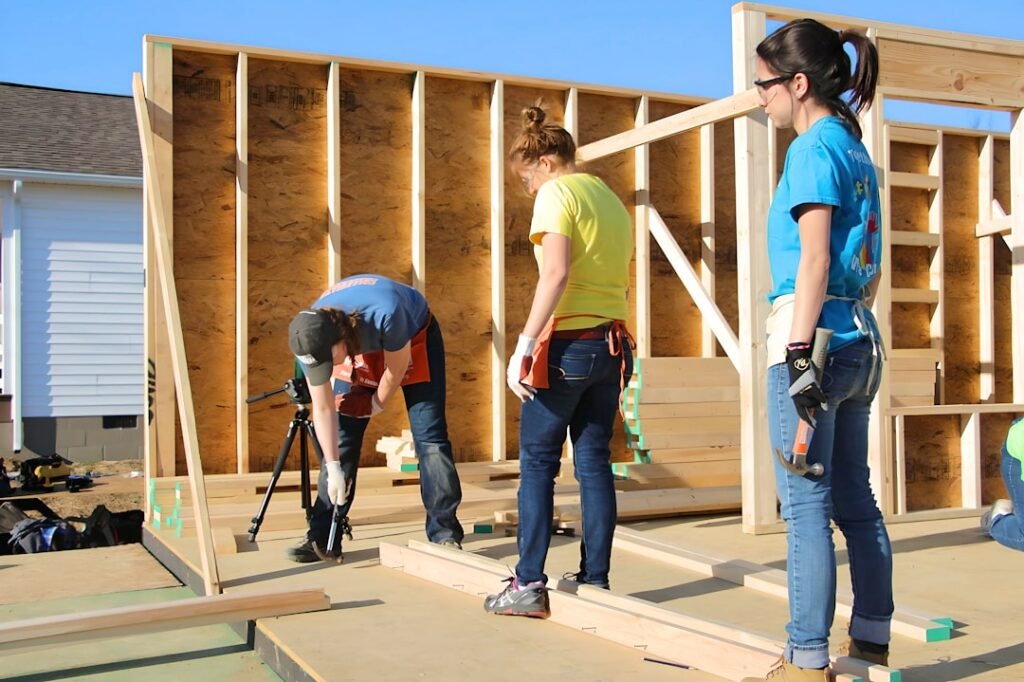
When you consider embarking on a career as a home builder, the significance of obtaining a home builder license cannot be overstated. This license serves as a formal recognition of your skills and knowledge in the construction industry, providing you with the credibility needed to attract clients and secure contracts. Without this essential credential, you may find it challenging to establish yourself in a competitive market, as many homeowners and businesses prefer to work with licensed professionals who can guarantee quality and compliance with local regulations.
Moreover, a home builder license is often a legal requirement in many states. Engaging in construction activities without the proper licensing can lead to severe penalties, including fines and potential legal action. By obtaining your license, you not only protect yourself from these risks but also demonstrate your commitment to adhering to industry standards and regulations.
This commitment can enhance your reputation and lead to more opportunities for growth and success in your building career.
Key Takeaways
- A home builder license is important for ensuring quality and safety in construction projects.
- Education and training requirements for home builders vary by state and may include formal education and on-the-job training.
- Experience and apprenticeship requirements for home builders typically involve a certain number of years working in the industry.
- Exam and testing requirements for home builder licensing often include a combination of written and practical exams.
- Insurance and bonding requirements for home builders are necessary for protecting clients and workers in case of accidents or financial issues.
Education and Training Requirements for Home Builders
To become a licensed home builder, you must first meet specific educational and training requirements. Typically, this involves completing a high school diploma or equivalent, followed by specialized training in construction management or a related field. Many aspiring builders choose to pursue an associate’s or bachelor’s degree in construction science, architecture, or civil engineering.
These programs provide you with a solid foundation in the principles of building design, project management, and construction techniques. In addition to formal education, you may also benefit from attending workshops or seminars that focus on the latest trends and technologies in the construction industry. These educational opportunities can help you stay current with best practices and innovations, which is crucial for maintaining a competitive edge.
Furthermore, some states require completion of specific courses related to building codes, safety regulations, and business practices as part of the licensing process. By investing time in your education and training, you are setting yourself up for success in your future endeavors as a home builder.
Experience and Apprenticeship Requirements for Home Builders
Gaining hands-on experience is an essential step in your journey to becoming a licensed home builder. Most states require you to accumulate a certain number of hours working in the construction field before you can apply for your license. This experience can be obtained through various means, such as working for a construction company, participating in internships, or even engaging in self-directed projects.
The more diverse your experience, the better prepared you will be to tackle the challenges that come with building homes. Apprenticeships are another valuable avenue for gaining experience. Many trade organizations and unions offer apprenticeship programs that combine on-the-job training with classroom instruction.
These programs typically last several years and provide you with the opportunity to learn from seasoned professionals while honing your skills in real-world settings. Completing an apprenticeship not only enhances your practical knowledge but also helps you build a network of contacts within the industry, which can be beneficial when seeking employment or starting your own business.
Exam and Testing Requirements for Home Builder Licensing
Once you have met the educational and experience requirements, the next step is to prepare for the licensing exam. This exam is designed to assess your knowledge of building codes, construction practices, safety regulations, and business management principles. It is crucial that you take this preparation seriously, as passing the exam is often a prerequisite for obtaining your license.
To increase your chances of success, consider enrolling in exam preparation courses or study groups that focus on the specific content areas covered in the test. Many resources are available online, including practice exams and study guides tailored to your state’s requirements. By dedicating time to study and familiarize yourself with the exam format, you can approach this critical step with confidence and increase your likelihood of passing on your first attempt.
Insurance and Bonding Requirements for Home Builders
In addition to obtaining a license, you will likely need to secure insurance and bonding before you can legally operate as a home builder. Liability insurance is essential for protecting yourself against potential claims arising from accidents or damages that may occur during construction projects. This coverage not only safeguards your financial interests but also provides peace of mind to clients who may be hesitant to hire an unprotected builder.
Bonding is another important aspect of operating as a licensed home builder. A surety bond serves as a guarantee that you will fulfill your contractual obligations and adhere to local regulations. If you fail to meet these obligations, clients can file a claim against your bond to recover their losses.
Many states require builders to obtain specific types of bonds as part of the licensing process, so it is essential to research these requirements thoroughly and ensure that you are adequately covered before starting any projects.
Financial and Business Requirements for Home Builders
As a home builder, understanding financial management and business operations is crucial for long-term success. Many states require prospective builders to demonstrate financial stability before granting a license. This may involve providing proof of assets, credit history, or even business plans that outline how you intend to operate your construction business.
In addition to meeting financial requirements for licensing, it is essential to develop strong business acumen. This includes understanding how to create accurate estimates for projects, manage budgets effectively, and maintain cash flow throughout the construction process. Familiarizing yourself with accounting software or hiring an accountant can help streamline these processes and ensure that your business remains profitable.
Continuing Education and Renewal Requirements for Home Builders
Once you have obtained your home builder license, it is important to recognize that this achievement does not mark the end of your educational journey. Many states require licensed builders to complete continuing education courses periodically to maintain their licenses. These courses often cover updates on building codes, safety regulations, and industry best practices.
Staying current with continuing education not only helps you comply with licensing requirements but also enhances your skills and knowledge as a builder. By investing in ongoing learning opportunities, you can adapt to changes in the industry and remain competitive in an ever-evolving market. Additionally, many clients appreciate working with builders who demonstrate a commitment to professional development.
License Application Process for Home Builders
The process of applying for a home builder license can vary significantly from state to state; however, there are common steps that most applicants will need to follow. First, you will need to gather all necessary documentation, including proof of education, work experience, insurance coverage, and any required financial statements. Once you have compiled this information, you can complete the application form provided by your state’s licensing board.
After submitting your application, it may take several weeks or even months for it to be processed. During this time, be prepared for potential interviews or additional requests for information from the licensing board. Once your application is approved, you will receive instructions on how to schedule your licensing exam if applicable.
Following successful completion of the exam and any other requirements set forth by your state, you will finally be granted your home builder license.
State-Specific Home Builder License Requirements
It is essential to understand that home builder licensing requirements can differ significantly from one state to another. Some states have more stringent regulations than others, while some may not require a license at all for certain types of construction work. Therefore, it is crucial that you research the specific requirements for the state where you plan to operate.
In addition to general licensing requirements, some states may have additional stipulations based on the type of construction work you intend to perform—such as residential versus commercial building—or specific project sizes. Familiarizing yourself with these nuances will help ensure that you remain compliant with local laws and regulations throughout your career as a home builder.
Common Pitfalls and Mistakes to Avoid in Obtaining a Home Builder License
As you navigate the process of obtaining your home builder license, it is important to be aware of common pitfalls that could hinder your progress or lead to complications down the line. One frequent mistake is failing to thoroughly research state-specific requirements before beginning the application process. By not understanding what is expected of you upfront, you may waste time gathering unnecessary documentation or miss critical deadlines.
Another common error is underestimating the importance of networking within the industry. Building relationships with other professionals can provide valuable insights into best practices and help you avoid potential missteps during the licensing process. Additionally, neglecting continuing education after obtaining your license can lead to outdated knowledge and practices that could jeopardize your reputation and business success.
Resources and Support for Home Builders in Meeting License Requirements
Fortunately, there are numerous resources available to assist you in meeting home builder licensing requirements. Professional organizations such as the National Association of Home Builders (NAHB) offer valuable information on licensing processes, continuing education opportunities, and industry trends. Joining such organizations can also provide networking opportunities that may lead to mentorship or collaboration with experienced builders.
Additionally, many states have dedicated websites or offices that provide guidance on licensing requirements specific to their jurisdiction. These resources often include downloadable forms, checklists, and contact information for local licensing boards that can answer any questions you may have during the application process. By leveraging these resources effectively, you can streamline your path toward becoming a licensed home builder while ensuring compliance with all necessary regulations.
If you are interested in learning more about traditional building methods and materials, you may want to check out the article Exploring Traditional Building Methods and Materials. This article delves into the importance of using time-tested techniques and materials in home construction, highlighting the benefits of incorporating these practices into modern building projects. Understanding the history and significance of traditional building methods can provide valuable insights for home builders looking to create high-quality, durable structures.
FAQs
What are the general requirements for obtaining a home builder license?
To obtain a home builder license, individuals typically need to meet certain requirements such as completing a certain number of hours of education or training, gaining a certain amount of work experience in the construction industry, and passing a licensing exam.
What type of education or training is typically required for a home builder license?
The education or training requirements for a home builder license can vary by state, but they often include completing a certain number of hours of coursework in topics such as construction techniques, building codes, and business management.
How much work experience is typically required for a home builder license?
The amount of work experience required for a home builder license can vary by state, but it often ranges from two to four years of experience working in the construction industry.
What is involved in the licensing exam for a home builder license?
The licensing exam for a home builder license typically tests individuals on their knowledge of construction techniques, building codes, business management, and other relevant topics. The format and specific content of the exam can vary by state.
Are there any additional requirements for obtaining a home builder license?
In addition to meeting education, experience, and exam requirements, individuals seeking a home builder license may also need to provide proof of liability insurance, pass a background check, and pay a licensing fee. These additional requirements can vary by state.